What Are Snap-In Dentures? How They Differ From Traditional and Implant-Supported Options


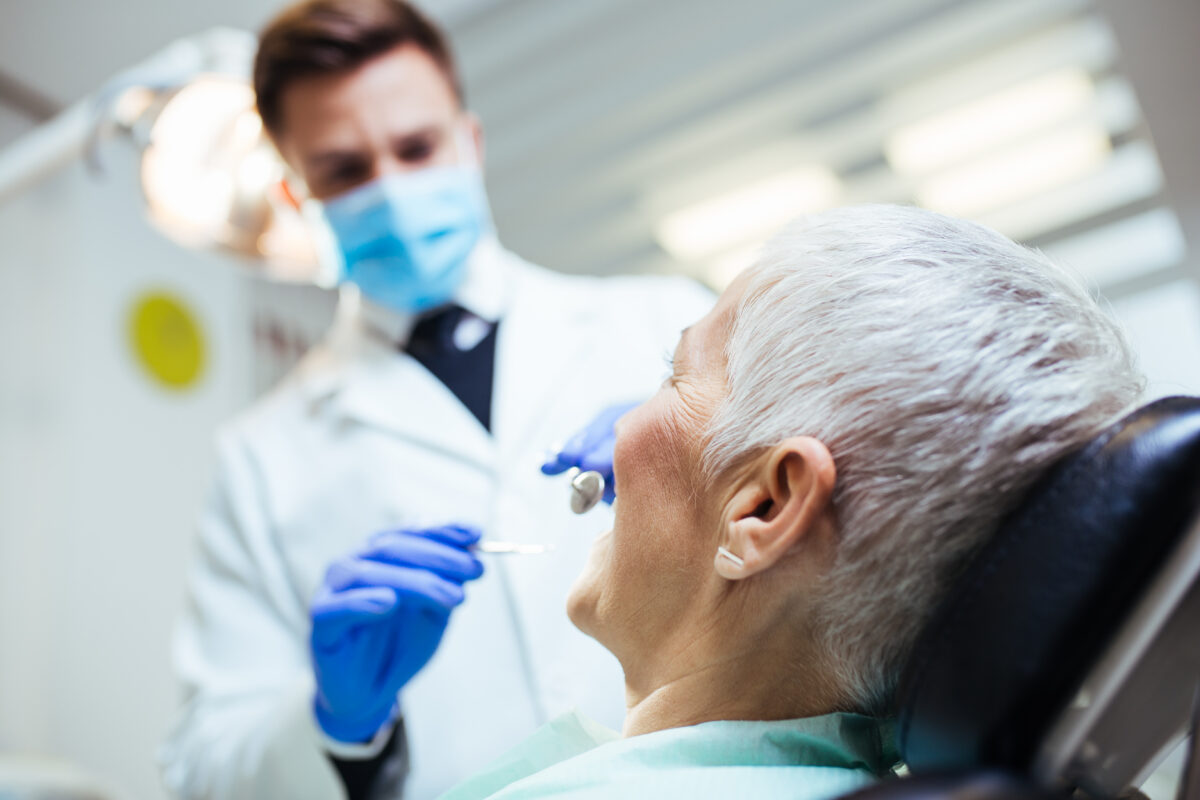
Senior woman smiling confidently after receiving snap-in dentures at a dental office

Losing multiple teeth, or all of them, changes more than your smile. Chewing gets harder, speech can shift, and a loose denture that slips while eating can turn everyday moments into a source of stress. Many patients start researching their denture options only after a standard set has already let them down.

At Atlas Dental Specialists, we hear this concern often, especially from patients whose traditional denture no longer feels stable. Snap-in dentures anchor your replacement teeth to a small number of implants instead of relying on suction alone. Below, we walk through what snap-in dentures are and how they compare to both traditional and implant-supported denture options, so you can decide which fits your needs.

What Are Snap-In Dentures?

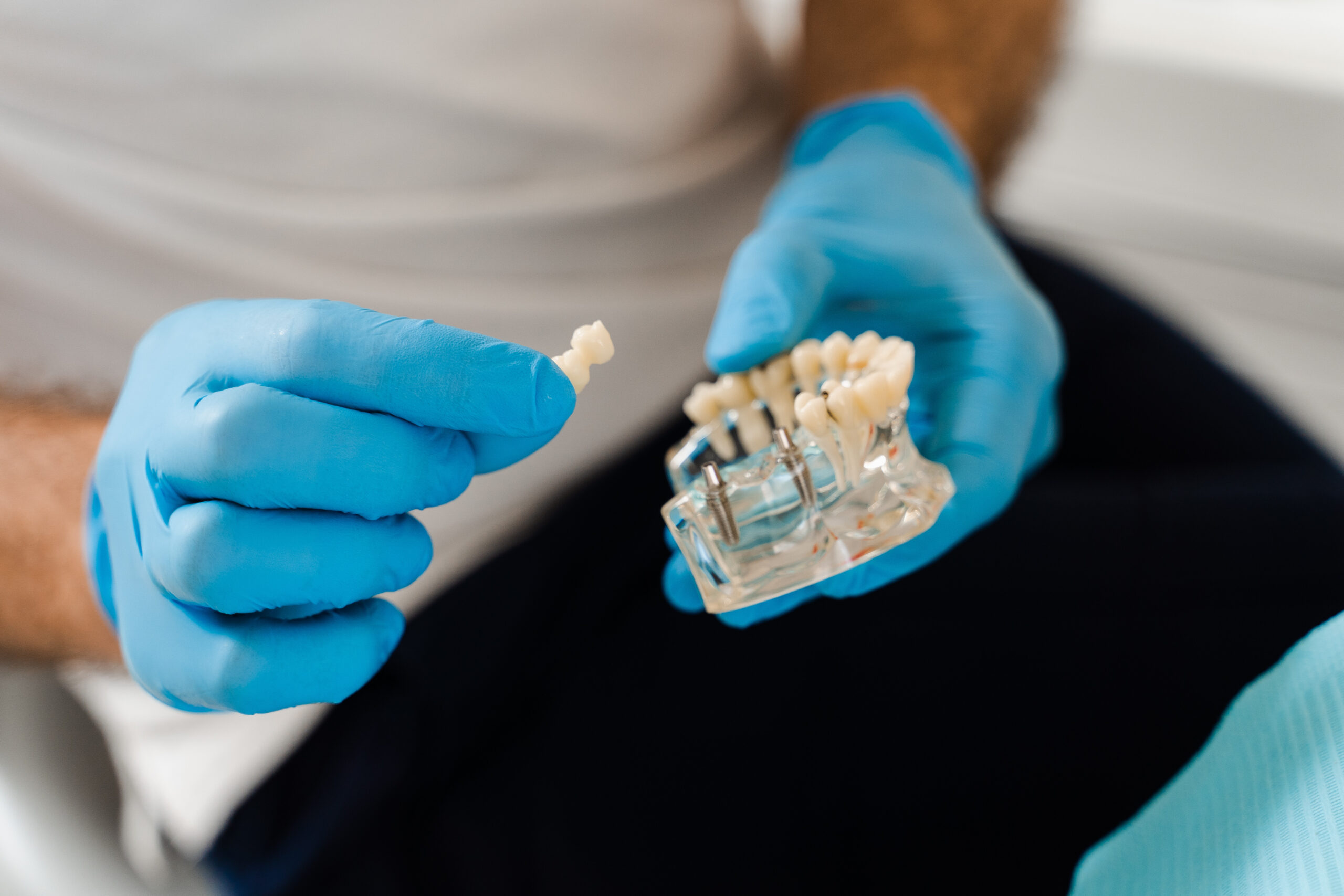
Snap-in dentures, sometimes called overdentures, are removable dentures that attach to dental implants placed in your jawbone. Attachments on the underside of the denture connect to matching pieces on the implants, holding the appliance firmly in place while you eat, speak, and smile. Unlike a denture that rests loosely on your gums, a snap-in denture locks onto a fixed point in your jaw, keeping it from shifting or lifting away during normal use.

Many patients choose a modest number of implants on the lower arch paired with a conventional denture on top, giving the lower jaw the stability it tends to need most. You can remove the denture for cleaning each night, and with good care, an implant-supported denture may last five years or longer. Our guide to caring for implant-supported dentures covers a few habits worth building into your routine.

A short cleaning routine each day goes a long way toward protecting both the denture and the implants underneath it:

  • Rinse after meals: Clear away food particles before they collect around the attachments.
  • Brush the denture separately: Use a soft brush and a non-abrasive cleaner rather than regular toothpaste.
  • Clean around the implants: A soft-bristled brush helps keep the gum tissue around each implant healthy.
  • Soak overnight: Store the denture in a cleaning solution or water so it stays hydrated.

Sticking with this routine and keeping up with checkups is one of the simplest ways to help your snap-in denture last.

Snap-In Dentures vs. Traditional Dentures

A traditional denture rests on your gums and stays in place through suction, muscle control, and sometimes adhesive. Over time, the jawbone beneath it can shrink further, a normal response to no longer having tooth roots there to stimulate the bone. This is often what causes a well-fitting denture to start feeling loose after a year or two, a pattern we cover in more depth in our piece on denture slippage and implant support.

Snap-in dentures address this differently. The denture anchors to implants embedded in the bone rather than depending on suction, and the implants may help preserve some surrounding bone. Patients who switch from a traditional denture often notice the biggest difference when eating foods that require more chewing force. Treatment time also differs: a traditional denture can be ready sooner, while a snap-in denture requires placing the implants first and allowing time to heal before the final denture is attached.

Snap-In Dentures vs. Implant-Supported Dentures

The terms snap-in denture and implant-supported denture often describe the same appliance, and at our practice, they typically are. The more useful distinction is between this removable style and a fully fixed denture that stays in your mouth permanently, removed only by your dentist. A removable snap-in denture still comes out each night for cleaning, while a fully fixed denture attaches to more implants and functions closer to natural teeth.

Between these two paths, and the fully fixed all-on-x approach on the far end of the spectrum, there’s a real range of options. Many patients assume it’s an all-or-nothing choice between a basic denture and a permanent restoration, when a removable, implant-retained denture sits comfortably in the middle, a comparison we explore further in our look at implant-supported dentures versus all-on-x.

Jawbone health matters here too. According to the Centers for Disease Control and Prevention, roughly 13.8% of US adults 65 and older have lost all of their natural teeth, and jawbone density can decline further the longer someone goes without replacement teeth. Addressing tooth loss sooner may help preserve bone available for implant placement.

Choosing Snap-In Dentures at Atlas Dental Specialists

Choosing between these options comes down to your daily habits, your jawbone health, and what matters most to you. As a prosthodontics and dental implant practice, we start every conversation with a look at your jawbone density and remaining teeth, and same-day dentistry using CAD/CAM technology means many next steps can move forward without long waits.

A snap-in denture can restore confidence and function for patients who want a secure, removable option, while a fully fixed denture may better suit those who want to forget they’re wearing one at all. If you’re ready to talk through your options with our Pittsburgh team, reach out through our contact form and we’ll help you find the fit that works for your smile.
Invisalign for Adults: What’s Different About Starting Treatment After 40?

Invisalign for Adults: What’s Different About Starting Treatment After 40?

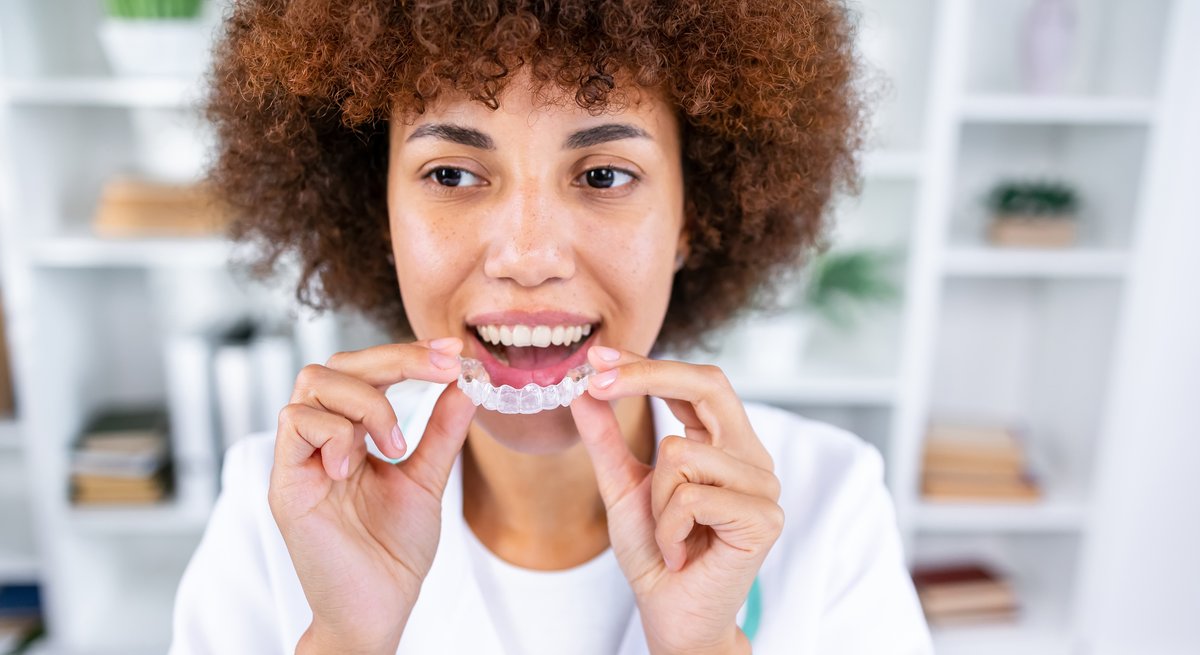
Woman smiling while holding a clear Invisalign aligner

A crowded lower arch, a bite that’s drifted over the years, or a smile you’ve simply stopped loving in photos are all common reasons adults wait decades before considering orthodontic treatment. Many assume braces are for teenagers, or worry that straightening teeth later in life means months of visible metal and awkward hardware at client meetings. Neither assumption holds up, and starting Invisalign after 40 comes with its own set of advantages worth understanding.

At Atlas Dental Specialists, Dr. Mara Mangini works with adult patients throughout Downtown Pittsburgh and Shadyside who are exploring clear aligner therapy for the first time later in life. As a prosthodontist, she brings a broader lens to treatment planning, one that looks beyond simple alignment to consider how teeth, bite, and long-term restorative needs fit together. That perspective matters more as patients age, because a mouth that’s had decades of wear, fillings, or other dental work often needs a more thoughtful plan than a teenager’s first set of aligners.

Why More Adults Are Starting Treatment Later

Orthodontic treatment used to be seen as something you finished before your twenties, but that picture has shifted substantially. According to the American Association of Orthodontists, the estimated number of patients in active orthodontic treatment across the United States and Canada has grown to roughly 5.51 million, and the only age group to see a real decline in recent years was patients between 18 and 34. Older adults are not a shrinking share of the orthodontic population; they are one of the more stable groups showing up for treatment.

Part of this comes down to awareness. Clear aligners are far less noticeable than traditional braces, which makes the idea of straightening teeth in your 40s, 50s, or beyond feel realistic rather than embarrassing. Part of it also comes down to timing: many adults finally have the flexibility, whether financially or in their schedules, to take on a treatment they postponed for years. Whatever the reason, Invisalign for older patients has become a routine part of general dentistry rather than an unusual request.

What Actually Changes After 40

The biology of adult teeth does shift with age, but not in a way that rules out treatment. Bone density, gum health, and the condition of existing dental work all play a bigger role in planning than they would for a younger patient. A dentist reviewing your case after 40 will look closely at whether you have crowns, bridges, or areas of gum recession, because aligners need to move teeth in a way that respects that existing work rather than working against it.

This is where having a prosthodontist involved makes a real difference. Because Dr. Mara treats the full picture of a patient’s mouth, she can flag if a crown needs adjustment before aligner trays are fabricated, or if a bite issue is actually tied to a missing tooth that should be addressed at the same time. Adults over 40 are also generally more consistent about wearing aligners as directed, because the motivation to finally address a long-standing concern tends to be strong. That combination of careful planning and steady compliance is part of why clear aligner therapy works well for older patients who commit to the process.

Common Concerns Adults Bring to Their First Visit

Most new patients over 40 arrive with a similar set of questions, and talking through them upfront tends to ease the decision.

  • Will treatment take longer than it would have at a younger age?
  • Are aligners still effective if I have a filling, crown, or missing tooth?
  • Will this interfere with dentures, a bridge, or an implant I already have?
  • Can I still see clients or attend events without anyone noticing?

These questions get answered differently for every patient, because so much depends on the specific condition of your teeth and gums going into treatment. A short consultation is usually enough to map out realistic expectations, including how long trays need to be worn and how often check-ins are needed along the way.

How a Prosthodontist’s Perspective Helps Long Term

Straightening teeth is rarely just about appearance once you pass 40. Crowding or bite misalignment can make it harder to clean certain areas of your mouth, which raises the risk of decay or gum problems down the road. Fixing that alignment now can actually reduce future restorative work, rather than only serving as a cosmetic upgrade.

This is also where a prosthodontist’s training becomes useful in ways a general aligner provider might not offer. If you eventually need a crown, bridge, or implant, having a dentist who already understands the full architecture of your bite from the aligner process saves time and avoids conflicting treatment plans. Straightened teeth are also simply easier to maintain, whether that means better fit for a nightguard, cleaner margins around future crowns, or fewer tight spaces where plaque can build up.

Get Started With Invisalign at Atlas Dental Specialists

Choosing to start Invisalign after 40 is not about starting over; it is about finally addressing something that has been on your mind for years, backed by a plan built around how your mouth has actually changed over the past twenty years. At Atlas Dental Specialists, Dr. Mara Mangini’s background as a prosthodontist means your treatment plan accounts for your full smile, not just tooth position, and the practice’s same-day technology and flexible financing options make it easier to move from consultation to treatment without unnecessary delays.

If you have been putting off orthodontic treatment because you assumed it was too late, a conversation with our team is the easiest way to find out otherwise. Reach out through our contact form to schedule a consultation and see what a personalized Invisalign plan could look like for you.

Can You Get Dental Implants If You Have Diabetes?

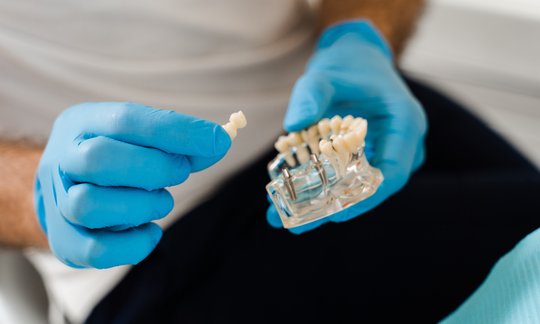
Close-up of a dental implant model showing the titanium post and crown placement in the jaw

A missing tooth is more than merely a cosmetic problem. Chewing gets harder, your bite can shift, and it is easy to feel self-conscious every time you smile or laugh. If you also manage diabetes, you may have already heard that implants are not an option for you, and that worry can be enough to make you put off asking about tooth replacement altogether.

At Atlas Dental Specialists, our team places dental implants for patients with a wide range of health backgrounds, and a diabetes diagnosis does not automatically take implants off the table. What matters far more than the diagnosis itself is how well blood sugar is managed day to day, along with a few other factors our team thoroughly discusses with every patient before recommending a treatment plan.

How Diabetes Affects Implant Healing

Dental implants depend on a process where the jawbone gradually fuses around the titanium post over several months, and the success of that fusion impacts whether the implant will last. Elevated blood sugar can slow this healing process and make the body more prone to infection, so patients whose diabetes goes unmanaged do face a higher risk of implant complications during that healing window.

The outlook changes considerably for patients whose blood sugar stays within a healthy range. A 2024 systematic review found well-managed diabetes, with an A1C below 8%, did not significantly reduce implant survival, and outcomes were close to those seen in patients without diabetes at both the one-year and five-year marks. Poorly controlled blood sugar, rather than diabetes as a diagnosis, was the factor most closely tied to bone loss around the implant site.

What Determines If You Are a Candidate?

Instead of looking at a diabetes diagnosis on its own, our team reviews the full picture: recent A1C readings, how consistently blood sugar stays in range, current gum health, and how much bone density remains in the jaw. Smoking, untreated gum disease, and low bone volume can each add risk on top of diabetes, so we take all of it into account before suggesting next steps.

For some patients, a staged approach or a full mouth reconstruction makes more sense than placing a single implant right away, because it gives tissue more time to heal between appointments. Other patients are better suited to implant-supported dentures, which spread pressure differently across the jaw and place less demand on any one area of bone. A conversation with our team, paired with input from your physician, gives us a clear sense of where you stand before we make any recommendations.

Steps to Improve Your Chances of Success

A handful of habits before and after surgery can shift the odds in your favor when you are managing diabetes and considering implants. Patients who stay consistent with these steps tend to see fewer complications and a smoother healing process overall:

  • Keep blood sugar readings steady and well documented in the weeks leading up to surgery, not only on the day of the appointment.
  • Brush and floss around the surgical site exactly as instructed to help lower infection risk.
  • Avoid smoking or vaping, both of which slow blood flow to healing gum tissue.
  • Keep every follow-up visit so our team can catch early signs of trouble before they grow.

Sticking with these habits gives the implant the best possible environment for the bone to fuse around it, and it tends to make follow-up visits far more straightforward for both you and our team.

Talk to Atlas Dental Specialists About Your Options

A diabetes diagnosis certainly adds another factor to weigh, but it rarely closes the door on a full, functional smile. Our dental implant guide covers what to expect at each stage of treatment, from the first scan through the final restoration, so you have a clear picture before committing to anything.

If you manage diabetes and want an honest answer about whether implants could work for you, reach out through our contact form. Our team can help you figure out the right next step for your smile.

What Patients Don’t Tell Us in Consultations (But We Can See)

Male dentist in dental office talking with female patient and preparing her for treatment. Explaining the procedure of new dental implants. Focus on a beautiful blonde patient woman.The consultation room is a strange place. Patients often arrive with one concern on their lips and a much bigger story written across their teeth, jaw, and gums. For a trained prosthodontist, that story is remarkably easy to read, even when the patient has no idea it’s being told.

Dr. Nicolas Mangini has spent years watching this play out from the other side of the chair. We asked him to pull back the curtain on what he actually notices during a consultation, and why what patients don’t say is often just as important as what they do. If you’ve been curious about what a consultation with a prosthodontist in Pittsburgh actually looks like, here’s an honest picture.

We Start Reading Before You Say a Word

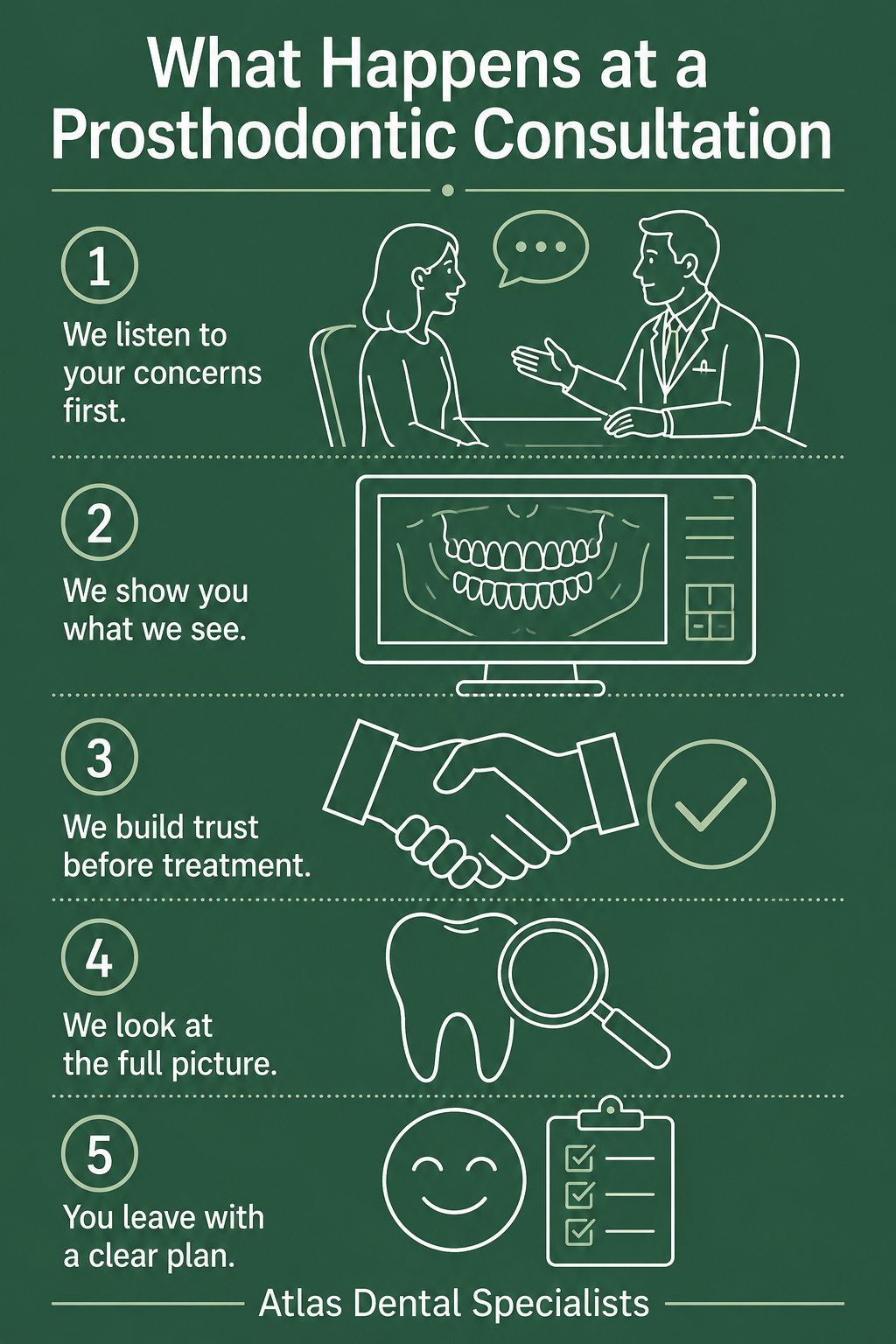
The moment a patient walks in, a lot of information is already available. Dr. Mangini describes it plainly: “The way someone smiles, speaks, chews, or even avoids showing their teeth can tell us a great deal.” Worn teeth, bite problems, signs of clenching, gum concerns, and missing support are all visible before the clinical exam even begins. Patients typically arrive focused on one thing, whether it’s a single tooth or a cosmetic issue, while we can already see how multiple factors may be connected.

That’s not a criticism. Most people aren’t trained to interpret what’s happening in their own mouths. It’s simply the reality of what a specialist’s eye picks up that a patient can’t.

Infographic What Happens at a Prosthodontic Consulation - Atlas Dental Specialists

Dental Anxiety Is More Common Than Patients Admit

A lot of patients downplay how nervous they are, or don’t mention it at all. According to the National Institute of Dental and Craniofacial Research, approximately 10 to 20 percent of individuals across the lifespan have clinically significant dental fear, and many of those people never say so directly.

Dr. Mangini watches for the signals. “Some avoid eye contact, speak quickly, seem unusually tense, or apologize repeatedly for the condition of their teeth,” he says. When those signs are present, the approach shifts. “We slow things down. We spend more time listening, explaining, and making sure patients feel comfortable. Building trust is often just as important as discussing treatment options.” A consultation isn’t just a clinical intake. It’s a relationship, and that relationship has to be built carefully.

When What You Came In for Isn’t the Whole Picture

It’s common for patients to arrive focused on one specific problem and leave with a better understanding of how that problem fits into a larger pattern. Dr. Mangini approaches those conversations thoughtfully. “We always start by listening to the patient’s concerns because those concerns are important,” he says. “Then we explain how that issue fits into the larger picture of their oral health.” X-rays, scans, and photographs help patients see what the clinical eye already sees, making those conversations easier and more productive.

For patients weighing options like smile makeover treatment or addressing long-standing dental problems, this kind of whole-picture thinking leads to better results and fewer surprises down the road.

Long-Term Adaptation and What It Reveals

Patients who have been managing with failing teeth or ill-fitting dentures for years often don’t realize how much they’ve adjusted their lives around the problem. Dr. Mangini has seen this repeatedly. “Many patients have adapted remarkably well to challenges affecting them for years. They’ve changed how they eat, how they smile, or even how they interact socially. Sometimes they’ve stopped doing things they enjoy because of their teeth.”

Those lifestyle changes matter when planning care. For patients considering full mouth reconstruction or dental implants, the goal isn’t just restoring teeth. It’s restoring the confidence and function patients quietly gave up along the way.

What Your Mouth Is Telling Us That You Don’t Know

After years of consultations, Dr. Mangini has a clear answer to what patients most consistently underestimate. “The mouth often tells a story about habits, stress, health changes, and long-term dental issues,” he says. Wear patterns, gum condition, and bite function each carry information a trained eye can interpret in ways most patients wouldn’t expect. His takeaway is straightforward: “Most dental problems don’t happen overnight. The earlier we identify those patterns, the more treatment options we typically have available.”

See What a Prosthodontic Consultation at Atlas Dental Specialists Can Do for You 

Dr. Nicolas Mangini and the team at Atlas Dental Specialists bring years of prosthodontic training and genuine care to every consultation. With locations in Downtown Pittsburgh and Shadyside, we take the time to understand not just the clinical picture, but the full story behind it. We accept MetLife, Cigna, Principal, Ameritas, and UnitedHealthcare and offer flexible financing options for patients with more involved treatment needs.

If you’re ready to get a complete picture of your oral health from a team that will take the time to understand it, contact Atlas Dental Specialists to schedule your consultation today.

The Cases General Dentists Send Us: What Makes Them “Too Complex”?

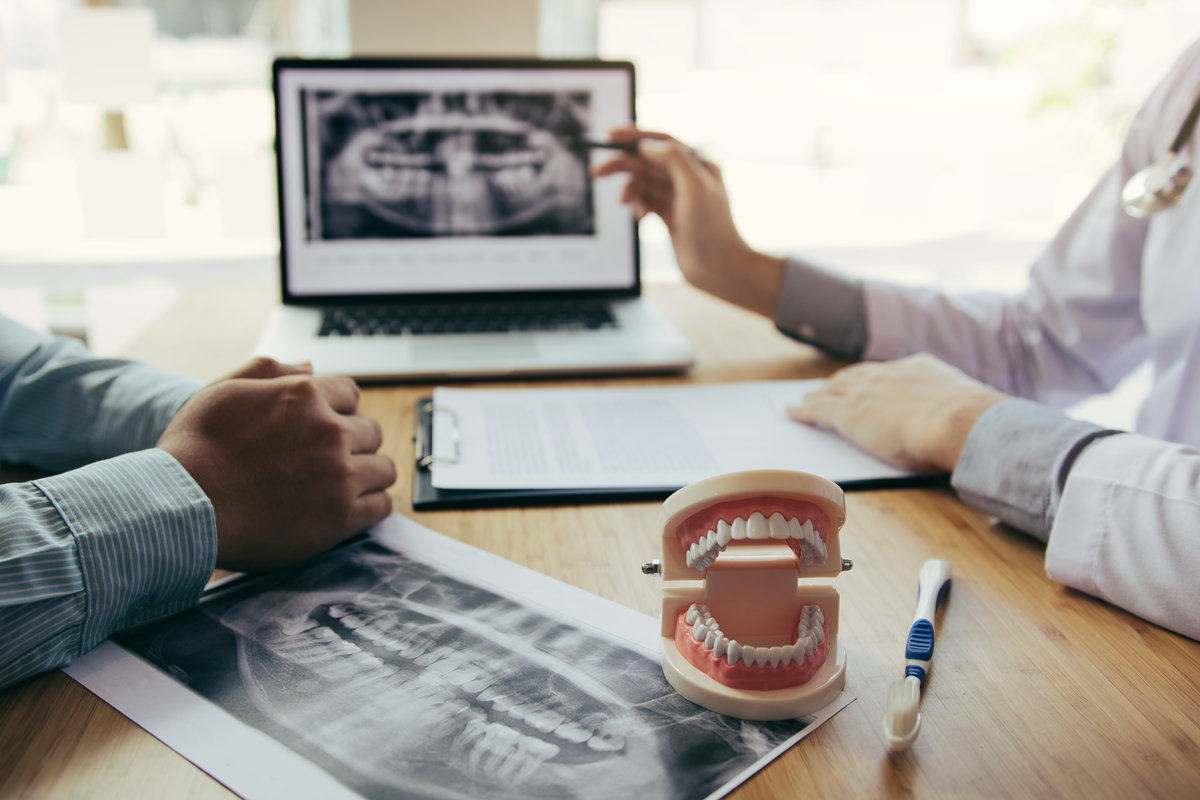
Dentists are discussing dental problems at report x-ray image on laptop screen to patients.Not every dental case fits neatly inside a general dentistry practice. Some patients arrive with histories that are layered, mouths that have been through a great deal, or problems that look simple on the surface but aren’t. When a general dentist decides a case needs more than they can offer, a prosthodontist is often the next call. Dr. Nicolas Mangini of Atlas Dental Specialists sees those referrals regularly and knows exactly what tends to prompt them.

Understanding when and why general dentists refer patients can also help you recognize whether a prosthodontist might be the right fit for your own situation. If you’ve ever wondered what sets a prosthodontist in Pittsburgh apart from a general dentist, this is a good place to start.

What General Dentists Are Seeing When They Refer

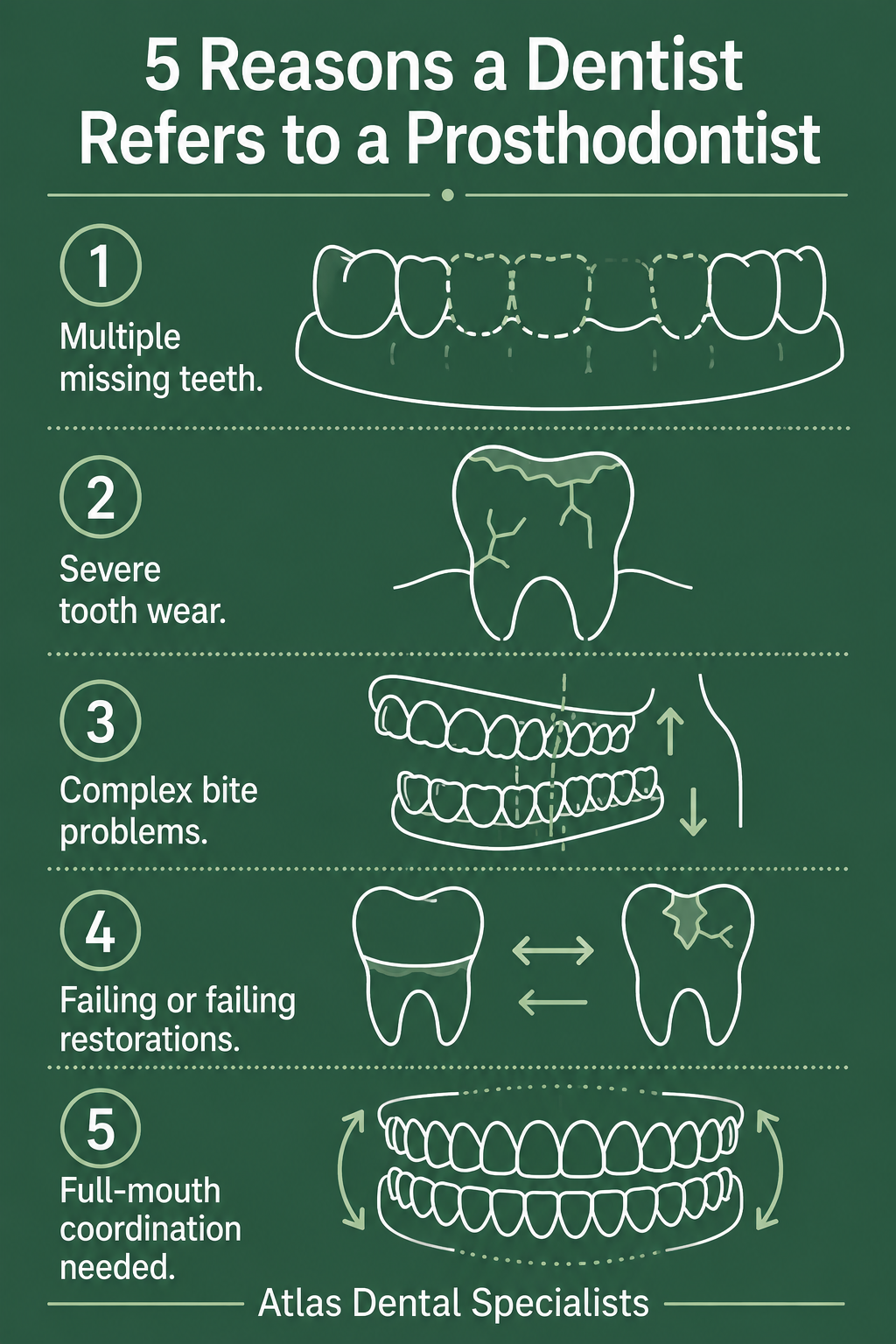
The most common referrals involve patients with multiple missing teeth, failing dental work, severe tooth wear, complex bite problems, or situations where a few treatment options need to be carefully coordinated. As Dr. Mangini explains, “these cases often require advanced planning and a comprehensive approach that looks at the entire mouth rather than a single tooth.”

That whole-mouth perspective is a core part of what prosthodontics offers. Where a general dentist may focus on one problem at a time, a prosthodontist is trained to see how every element connects and to plan treatment accordingly. The American Dental Association notes that cases requiring referral to a specialist demand clear communication between providers and the patient, a process we take seriously at every stage.

Infographic 5 Reasons a Dentist Refers to a Prosthodontist - Atlas Dental Specialists

The Cases That Surprise People

Full mouth reconstruction and dental implant cases are obvious referrals, but Dr. Mangini points out that some of the most important ones don’t look complex from the outside. “Some cases appear straightforward but involve underlying bite issues, significant wear, or structural problems that aren’t immediately obvious,” he says. A single crown replacement, for example, can become much more involved if the surrounding teeth, bite, or existing restorations aren’t functioning properly.

That’s not a knock on general dentists. It’s simply a matter of training depth. Prosthodontists complete additional years of advanced education specifically to identify and manage the kinds of hidden challenges that can turn a routine case into something more demanding.

How Referred Care Actually Works

When a patient comes through a referral, communication with the referring dentist is a priority. “We work closely with the referring dentist to understand the patient’s history, goals, and previous treatment,” Dr. Mangini says. Throughout the process, findings and recommendations are shared so everyone stays aligned. The goal isn’t to take over a patient’s care. It’s to handle the complex pieces and send them back with a stronger foundation.

That collaborative model benefits the patient most. They keep their relationship with their general dentist while getting the focused attention their situation requires.

What Happens When Patients Arrive After Multiple Attempts

Sometimes patients reach us after a problem has been worked on a few times without a full resolution. Dr. Mangini’s approach is consistent: “We take a step back and evaluate the entire situation from the beginning.” That fresh look occasionally confirms the original direction. Other times, it surfaces larger issues that need to be addressed first. Either way, the goal is the most predictable long-term outcome, not a quick fix.

For patients considering full mouth reconstruction or complex restorative work, that kind of reset can make a meaningful difference in what’s achievable.

What a Prosthodontist Offers That a General Dentist Cannot

The honest answer is depth of training and a different scope of practice. Prosthodontists are dental specialists who complete three additional years of residency beyond dental school focused entirely on restoring and replacing teeth, managing complex bite relationships, and planning full-arch care. That training means we see patterns that may not be obvious in a general setting, and we have the tools and background to address them comprehensively.

Refer a Patient or Schedule a Consultation at Atlas Dental Specialists

Drs. Nicolas and Mara Mangini welcome both patient referrals and direct consultations at Atlas Dental Specialists, with locations in Downtown Pittsburgh and Shadyside. Whether a general dentist is looking for a trusted partner on a complex case or a patient wants a second set of eyes on a persistent problem, we’re here to help. We accept MetLife, Cigna, Principal, Ameritas, and UnitedHealthcare and offer flexible financing options.

Contact Atlas Dental Specialists to get started, or visit our referral form to send a patient our way.

The Next 5 Years in Prosthodontics: What Patients Should Know

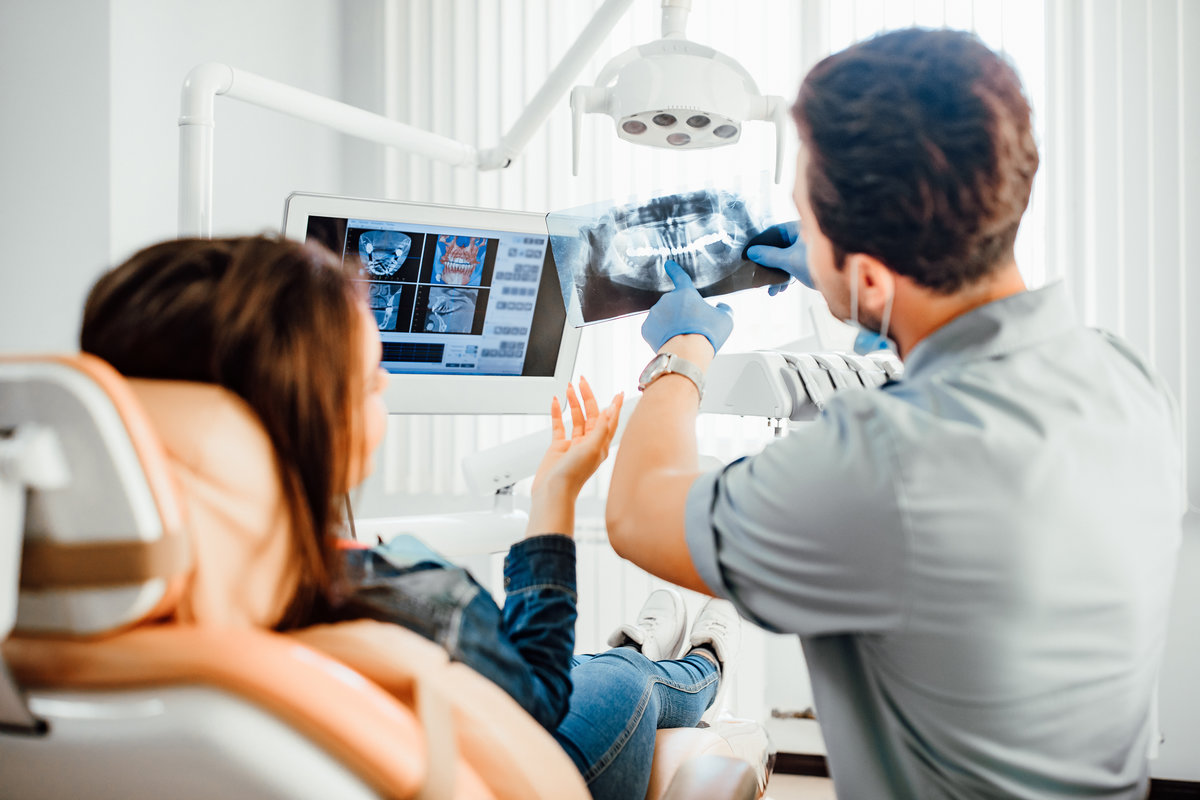
Medicine, dentistry and healthcare concept, male dentist showing teeth x-ray to female patient at dental clinic office.Prosthodontics is moving faster than most patients realize. The tools available today for planning, designing, and placing restorations are more precise and more predictable than they were even five years ago, and the pace of change is accelerating. For patients who have been putting off a major procedure, or who simply want to know what modern dental care looks like, the picture is more encouraging than you might expect.

We sat down with our very own Dr. Nicolas Mangini to get his perspective on where the field is headed. As a trained prosthodontist with years of experience serving Pittsburgh, Dr. Mangini has a front-row seat to these changes, and his outlook on the next five years is worth hearing. Learn more about what a prosthodontist in Pittsburgh may be able to do for you.

Digital Technology Is Changing How Treatment Gets Planned

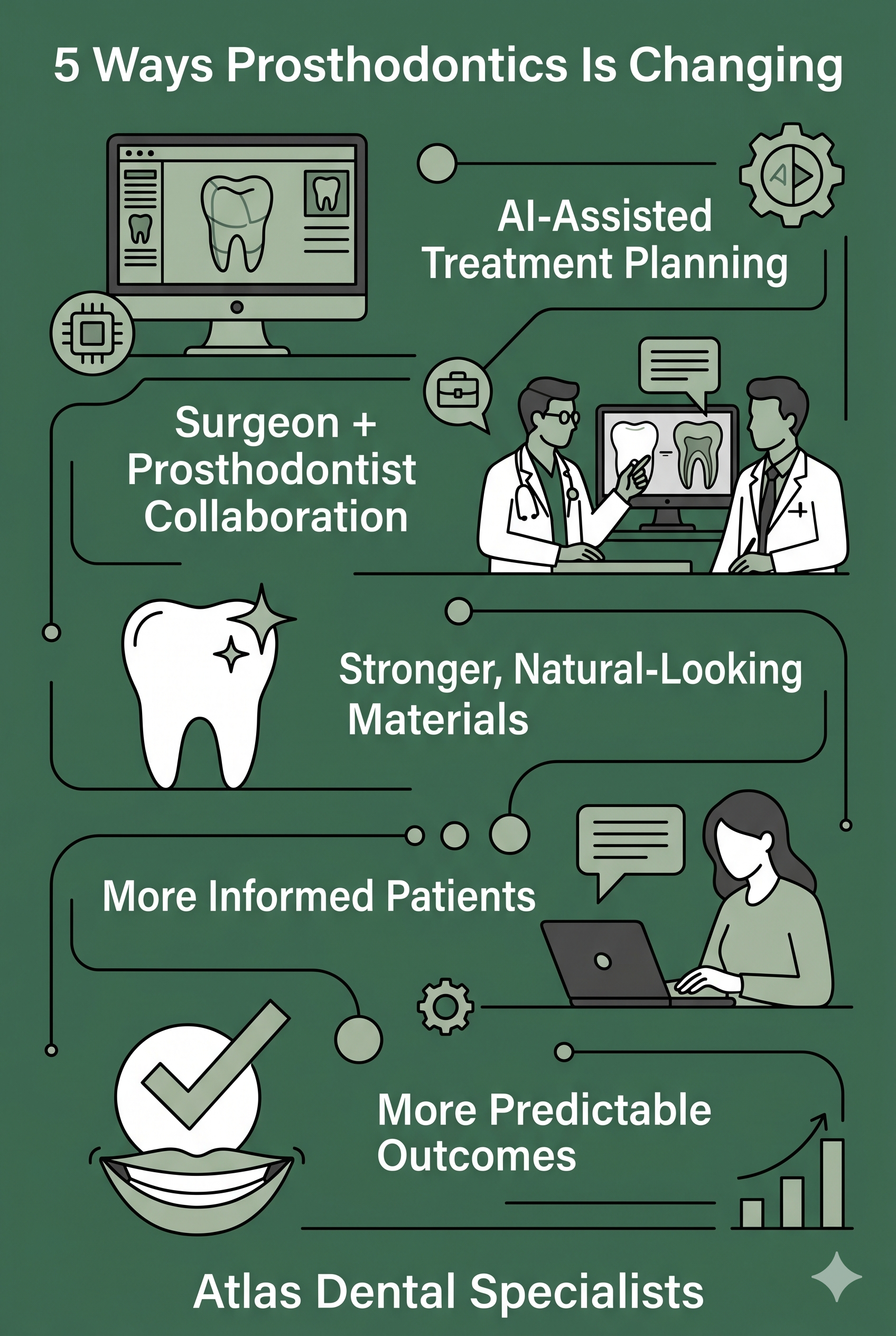
The biggest shift happening in prosthodontics right now involves the integration of digital tools at every stage of care. Dr. Mangini points to this as the development most likely to shape patient experiences over the next five years. “These technologies allow us to plan treatments with incredible precision before a procedure even begins,” he says, noting that 3D imaging, intraoral scanning, and AI-assisted planning have made it possible to anticipate outcomes with a level of detail that simply wasn’t available before. For patients, that translates to more predictable results and a smoother process from start to finish.

According to a 2025 narrative review published in the Journal of Clinical Medicine, AI is rapidly transforming implant dentistry by enhancing every stage of treatment, from diagnostics and digital planning to surgical navigation and outcome prediction. That research aligns with what we’re already seeing in practice, and it points toward even greater precision ahead. At Atlas Dental Specialists, digital workflows are already part of how we approach restorative cases.

Infographic 5 Ways Prosthodontics is Chaning - Atlas Dental Specialists

Technology Supports Expertise, It Doesn’t Replace It

There’s a lot of conversation in dentistry right now about AI and digital smile design, and it’s worth putting those tools in their proper context. Dr. Mangini sees real value in them while being clear about their role. “Every patient has unique goals, anatomy, health considerations, and expectations,” he says. “Technology provides valuable information, but it takes the training and judgment of a prosthodontist to determine the best path forward. These tools enhance expertise; they don’t replace it.”

That distinction matters when you’re considering a significant procedure. An algorithm can help identify options and improve efficiency, but the person interpreting that information and making decisions on your behalf still needs to be a highly trained clinician who takes your full picture into account. That’s precisely what sets prosthodontic care apart from general dentistry.

Implant Outcomes Are Getting More Predictable

Dental implants have evolved significantly over the past decade, and Dr. Mangini sees the next leap coming from closer collaboration between specialists combined with smarter pre-surgical planning. “Prosthodontists and surgeons can virtually plan implant treatment together before surgery takes place,” he says. “That means implant placement can be guided by the final restoration from the very beginning.” He also notes that restorative materials continue to improve, becoming stronger, more natural-looking, and longer-lasting with each generation.

For patients considering implant-supported dentures or full-arch treatment, this kind of coordinated planning means the entire care team is aligned on the end goal long before anyone picks up an instrument.

Patients Are Coming In Better Prepared

One of the more notable changes in recent years is how informed patients are when they walk through the door. Dr. Mangini sees this as a positive development overall. “Many arrive with thoughtful questions and a better understanding of available treatment options,” he says. The challenge, he notes, is that not everything found online applies to every individual situation. Our role is to help patients connect what they’ve researched to what actually makes sense for their specific needs.

We’re also seeing more patients seek second opinions or ask about full mouth reconstruction options they may not have encountered before. An informed patient tends to be a more engaged patient, and that leads to better outcomes.

Schedule a Consultation With Atlas Dental Specialists

Drs. Nicolas and Mara Mangini have been caring for Pittsburgh patients for years, building a practice rooted in prosthodontic training and a genuine commitment to long-term results. As Dr. Mangini puts it, “Today’s treatment planning is more precise and predictable than ever before. Patients are often surprised by how much easier the process feels compared to what they expected.” That’s a reflection of what this practice has worked to build.

If you’re ready to explore what modern prosthodontic care may be able to do for your smile, contact Atlas Dental Specialists to schedule a consultation with Dr. Nicolas Mangini.

Why Two Implants May Be All You Need: The Minimal Implant Approach for Lower Dentures

Dentist, consultation and senior woman in office, conversation and teeth whitening. People, doctor and patient with dental cleaning, discussion or inspection with cosmetic dentures or hygiene results.

If your lower denture slips, rocks, or makes you nervous every time you eat or talk, just two dental implants may be enough to fix that. A two-implant overdenture is one of the most well-supported options in restorative dentistry for stabilizing a lower denture. For many people, it hits the sweet spot between cost, comfort, and results.

At Atlas Dental Specialists, we work with patients across Pittsburgh every day who are somewhere along the denture spectrum. Not everyone needs a fully fixed set of teeth, and not everyone wants to go back to a denture that shifts around. Our implant-supported dentures approach is built around finding the right fit for where you are, and two implants on the lower jaw are often exactly that.

What Is a Two-Implant Overdenture?

A two-implant overdenture is a removable lower denture that snaps onto two implants placed in the front of your jaw. The implants act like anchors, holding the denture securely in place so it doesn’t slide or lift when you chew. You still take the denture out to clean it, but when it’s in, it stays put.

This is different from a full all-on-4 fixed restoration, where the teeth are permanently attached and never come out. It’s also different from a conventional denture that rests directly on your gums with no implant support. Bridging the gap between two extremes, the two-implant overdenture provides the stability that conventional dentures lack while remaining removable for straightforward maintenance.

Why the Lower Jaw Is Different

Upper dentures usually have a little more working in their favor. The upper jaw has more surface area, which helps create better suction and support. Lower dentures are different. There is less surface area to work with, the tongue is constantly moving around them, and the ridge where the denture sits can shrink over time as bone loss progresses.

That is why lower dentures tend to feel more frustrating for many patients. Two implants can make a big difference because they provide the denture with stable points to snap onto, rather than relying on suction alone.

What the Research Says

A systematic review published in the Journal of Clinical Medicine found strong support for using a two-implant overdenture as the preferred treatment for the lower jaw with no remaining teeth, rather than a traditional denture. That kind of agreement is worth noting, especially in dentistry, where treatment recommendations can vary from case to case. 

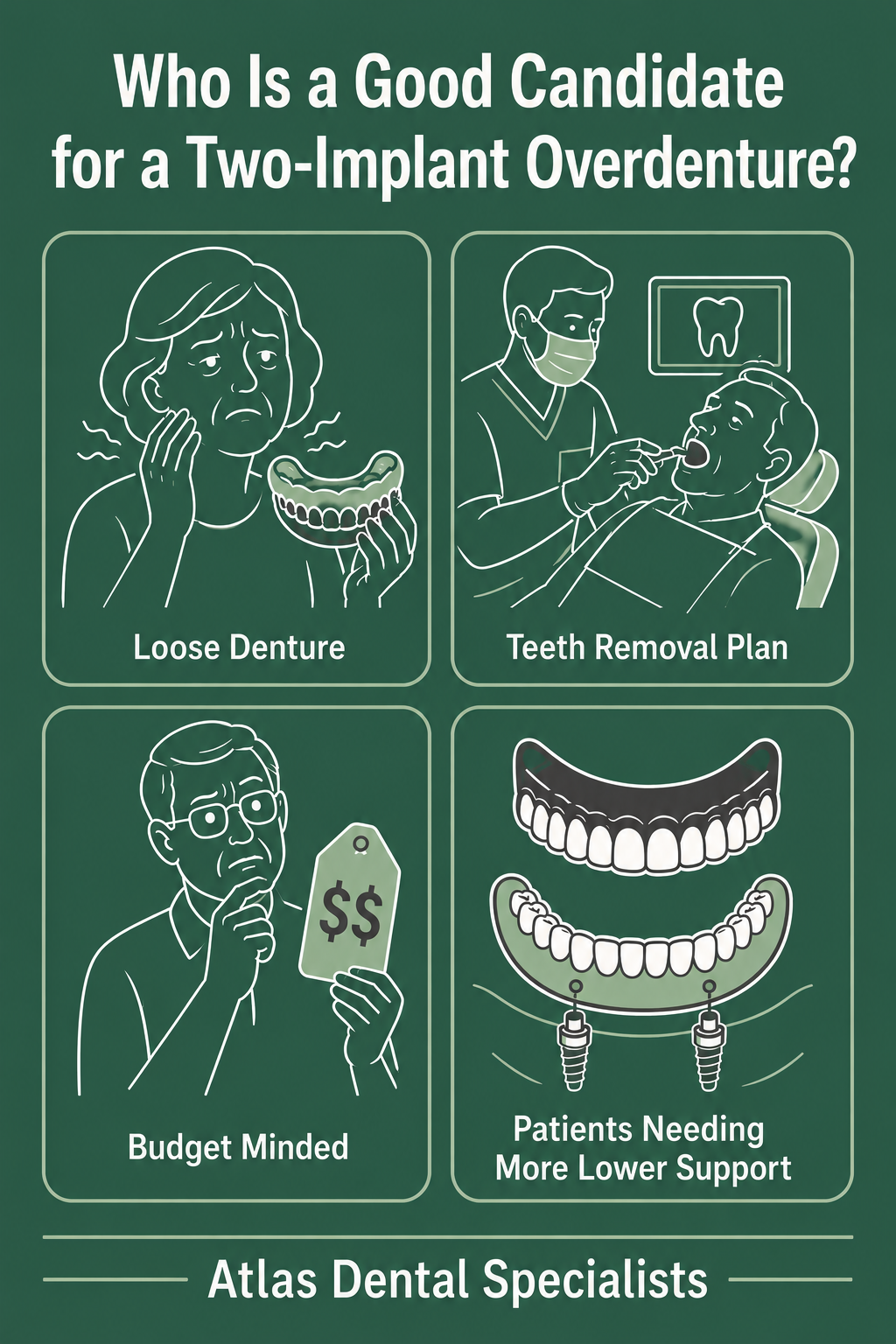
Infographic_Why Two Implants May Be All You Need The Minimal Implant Approach for Lower Dentures

Who Is a Good Candidate?

Two-implant overdentures are a strong option for a wide range of patients. Here are the situations where we most commonly recommend this approach:

  • Current denture wearers who are frustrated with fit: If you’ve had your denture adjusted multiple times and it still moves around, implants may be able to solve the problem for good.
  • Patients who need extractions: If you’re heading toward full tooth loss in the lower jaw, planning for implants at the same time as extractions is a smart approach.
  • People who want stability without a large investment: Two implants cost significantly less than a full fixed restoration, but they deliver a meaningful improvement over a floating denture.
  • Patients already happy with a conventional denture on top: We’ve had patients go with implant support on the bottom and a conventional denture on top, find they love the result, and come back later to add implants on the upper arch too.

The right starting point depends on your bone density, your health history, and what you’re hoping to accomplish. A consultation gives us the full picture.

What to Expect from the Process

Most patients are surprised by how manageable the process feels. It usually starts with a straightforward appointment to place the two implants, followed by a healing period while the implants bond with the jawbone. Once the area has healed, the denture is fitted with small attachments that snap securely onto the implants. From start to finish, the process typically takes a few months.

Caring for the denture is simple, too. You remove it to clean it, just like you would with a traditional denture. The small attachment pieces inside the denture may need to be replaced from time to time, but everyday maintenance is pretty straightforward. If you already wear a snap-in denture or are thinking about getting one, the overall routine will feel familiar.

Contact Atlas Dental To Find Out If Two Implants Are Right for You

If a shifting lower denture has been affecting your confidence or your ability to eat comfortably, two implants may be worth a serious conversation. At Atlas Dental Specialists, our Pittsburgh team includes prosthodontists who work with dental implants day in and day out, including implant-supported overdentures at both our Shadyside and Downtown Pittsburgh locations. We offer flexible financing and accept several major insurance plans, including MetLife, Cigna, Principal, Ameritas, and UnitedHealthcare.

Ready to find out if this is the right option for you? Contact us to schedule a consultation, and we’ll walk through exactly what makes sense for your situation.