Losing teeth isn’t just a cosmetic issue. It changes how you chew, how you speak, and over time, what your face looks like. The jawbone underneath a missing tooth starts to shrink within months — and that process keeps going unless something replaces the root.
At Atlas Dental Specialists in Pittsburgh, Drs. Nicholas and Mara Mangini are prosthodontists — specialists who focus exclusively on rebuilding teeth and restoring oral function. This is different from a general dentist offering implants as one of many services. Prosthodontics is the whole job.
This page walks through the advanced tooth replacement options they offer: implant-supported dentures, implant overdentures, and full-arch fixed prosthetics. If you’re missing several teeth, most teeth, or all of your teeth, these are the options built to last.
Your Dental Care Team
Every tooth replacement case at Atlas Dental Specialists is managed by a prosthodontist from consultation through final restoration. Here’s who you’ll be working with.
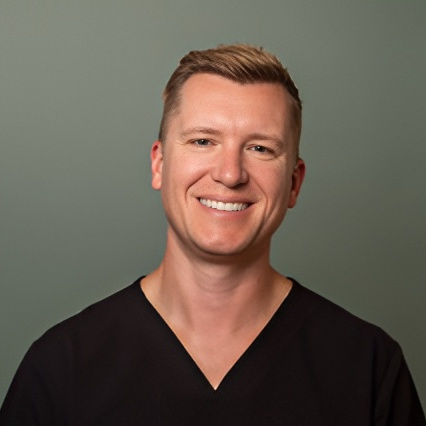
Originally from Erie, PA, Dr. Nicholas Mangini earned his DMD from the University of Pittsburgh School of Dental Medicine and completed his three-year prosthodontics residency at Pitt, where he later served as Clinical Associate Professor. He specializes in dental implants (surgical placement and restoration), full-mouth reconstruction, same-day crowns, and digital dentistry using 3D printing and CAD/CAM technology. He is a member of the American College of Prosthodontics, the Academy of Osseointegration, and the American Dental Association.
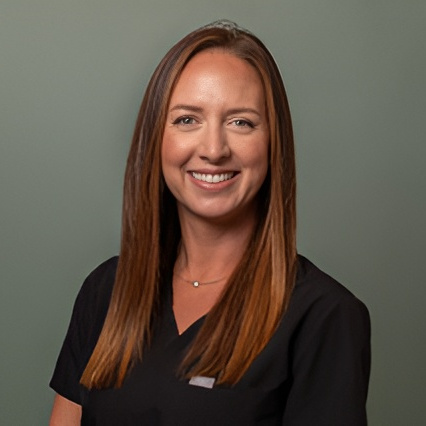
A Pittsburgh native, Dr. Mara Mangini earned her DMD from the University of Pittsburgh School of Dental Medicine in 2011, followed by a three-year prosthodontics residency at Pitt. A former Clinical Associate Professor at Pitt Dental School, she brings specialty-level expertise in smile design, full-mouth restorations, dental implants, Invisalign, and same-day crowns. She is a member of the American College of Prosthodontics, the American Dental Association, and the Academy of Osseointegration.
What Are Advanced Tooth Replacement Options?
Advanced tooth replacement refers to prosthetic solutions that use dental implants as a foundation — rather than relying on the gums or neighboring teeth. This matters because traditional dentures sit on top of the gum tissue and do nothing to prevent bone loss. Implant-supported options actually replace the root, which stimulates the jawbone and keeps it from deteriorating.
The main advanced options include:
- Implant Overdenture — A removable full-arch prosthetic that snaps onto two to four implants for secure retention
- Permanent (Fixed) Denture — A non-removable full-arch prosthetic supported by five or more implants, often called “all-on-x”
- Implant-Supported Bridge — A fixed multi-tooth restoration anchored by implants rather than natural teeth
All three are managed and placed at our Downtown Pittsburgh and Shadyside offices. Because the Manginis are prosthodontists, they handle both the implant placement and the final restoration — which means fewer hand-offs, a more coordinated treatment plan, and one team who knows your mouth from start to finish.
Your Tooth Replacement Options: A Closer Look
Implant Overdenture
A removable full-arch denture that attaches to two to four implants using a snap or bar mechanism. More stable than a traditional denture, easier to clean than a fixed prosthetic. Good choice for patients who want implant support with the convenience of removal.
Fixed Full-Arch Prosthetic
A non-removable arch supported by five or more implants. It doesn’t rest on the gums at all — the implants bear the load. This is the option that most closely mimics natural teeth in feel and function. Cleaning requires more attention but the stability is unmatched.
Implant-Supported Bridge
For patients missing multiple teeth in a row (not necessarily the full arch). Implants are placed at each end of the gap and a fixed bridge spans the space. No grinding down adjacent healthy teeth the way a traditional bridge requires.
Implant-Supported Options vs. Traditional Dentures
Traditional removable dentures still work for some patients — but if you’re comparing options, here’s how implant-supported solutions stack up:
| Feature | Traditional Denture | Implant-Supported Option |
|---|---|---|
| Stability while eating | Can shift or slip | Fully secure |
| Bone loss prevention | Does not prevent bone loss | Implants stimulate bone |
| Jawbone shrinkage over time | Accelerates shrinkage | Minimizes or prevents it |
| Facial structure preservation | Gradual change over years | Structure maintained |
| Dietary restrictions | Some limitations | Minimal to none |
| Longevity | Needs periodic relining/replacement | Long-term with good care |
| Daily removal required | Yes (removable dentures) | No (fixed); optional (overdenture) |
Are You a Candidate for Implant-Supported Tooth Replacement?
Most adults who are missing multiple teeth are candidates, but a few factors need to be evaluated first. During your consultation, the Manginis will review your jaw health, bone density, gum tissue, and overall oral health before recommending a specific option.
You’re likely a good candidate if:
- You’re missing most or all of your teeth on one or both arches
- You have sufficient jawbone density to support implants (or are a candidate for bone grafting)
- Your gums are healthy or treatable prior to implant placement
- You’re a non-smoker, or willing to stop smoking during healing
- You want a more stable, longer-lasting solution than conventional dentures
- You’re in good enough general health for a minor surgical procedure
If bone loss has occurred from years of wearing traditional dentures, bone grafting may be needed first — that’s a common preliminary step, not a disqualifier. The team will walk through all of this at your first visit.
What the Treatment Process Looks Like
Advanced tooth replacement isn’t a single-appointment process. Here’s a realistic picture of what to expect:
Consultation and Planning
A full oral exam, 3D imaging, and review of your health history. The team determines which option fits your bone anatomy, lifestyle, and goals. This is also when preliminary procedures (extractions, bone grafting, gum treatment) get planned if needed.
Implant Placement
The titanium implant posts are placed surgically into the jawbone. This is done under local anesthesia; sedation options are available. The Manginis place and restore implants in-house — you don’t need a separate oral surgeon.
Osseointegration (Healing Phase)
Over the next several months, the implant posts fuse with the jawbone through a process called osseointegration. A temporary prosthetic is typically worn during this phase so you’re never without teeth.
Abutment and Final Prosthetic
Once the implants have integrated, the final abutments and custom prosthetic are attached. The prosthetic is crafted using CAD/CAM technology to fit precisely and match the color and shape of natural teeth. Final adjustments are made until the fit and bite feel right.
Why It Matters That Your Dentist Is a Prosthodontist
Prosthodontics is the specialty dedicated to restoring and replacing teeth. After dental school, prosthodontists complete an additional three-year residency focused entirely on cases like full-arch replacement, complex restorations, and implant-supported prosthetics. Drs. Nicholas and Mara Mangini both trained at the University of Pittsburgh and have been practicing in Pittsburgh for over 35 years. They don’t refer out for the implant surgery and then hand you back to another provider — they manage the entire case.
Caring for Your Implant-Supported Prosthetic
One of the most common questions patients have: how do you clean implant-supported teeth? The short answer is — similar to natural teeth, with a few additional steps.
Fixed Prosthetics (Permanent Dentures)
Brush twice daily with a soft-bristle brush. Use an interdental brush or water flosser to clean under the prosthetic where it meets the gum tissue. Your hygiene appointments will include specialized cleaning around the implant abutments.
Implant Overdentures
Remove the overdenture nightly to clean both the prosthetic and the implant attachments. Soak the denture in a recommended solution. Keep the attachment mechanisms free of debris to maintain proper snap retention.
General Habits That Matter
Avoid biting ice, hard candies, or using your teeth as tools — this applies to implant-supported prosthetics just as much as natural teeth. Regular checkups are essential for monitoring implant health and catching any issues early.
Common Questions About Advanced Tooth Replacement in Pittsburgh
How long does the full treatment take from consultation to final prosthetic?
Most patients complete the process in 6–12 months. The range depends on whether preliminary procedures like bone grafting are needed and how quickly osseointegration occurs. During planning, the team will give you a realistic timeline based on your specific anatomy.
Can I get implants if I’ve been wearing dentures for many years?
Yes, in most cases. Long-term denture wear often causes bone loss, which means a bone graft may be needed before implant placement — but this doesn’t rule you out. Many patients who’ve worn dentures for years successfully transition to implant-supported options. A 3D scan at your consultation will show exactly what’s available to work with.
What’s the difference between an implant overdenture and a permanent denture?
An implant overdenture snaps onto two to four implants and can be removed for cleaning. A permanent (fixed) denture is attached to five or more implants and doesn’t come out — it stays in the way natural teeth do. Fixed options offer more stability and a more natural feel; overdentures are easier to clean and generally less expensive.
Do implant-supported prosthetics look natural?
Yes. The final prosthetic is custom-crafted using CAD/CAM technology to match the shape, size, and color of natural teeth. The team uses digital scanning and design tools to ensure the restoration integrates naturally with your facial features and remaining oral structures.
Is the implant surgery painful?
Most patients describe the surgery as more comfortable than they expected. The area is fully numbed with local anesthesia, and sedation options are available for patients who want additional comfort. Post-surgical discomfort is typically manageable with over-the-counter pain relief for the first few days.
Does dental insurance cover implant-supported tooth replacement?
Coverage varies by plan. Some insurance plans partially cover the prosthetic component; the implant surgery itself is often not covered or is covered at lower rates. The team can help review your specific plan and discuss financing options at your consultation.
Why should I choose a prosthodontist for advanced tooth replacement?
Prosthodontists complete an additional three-year specialty residency focused specifically on restoring and replacing teeth — including complex full-arch cases. At Atlas Dental Specialists, both Dr. Nicholas and Dr. Mara Mangini are prosthodontists trained at the University of Pittsburgh. They handle both the surgical and restorative phases of implant treatment, giving you consistent, specialized care throughout the entire process.
Schedule a Tooth Replacement Consultation in Pittsburgh
If you’re missing multiple teeth and want to understand what your options actually look like — in your mouth, for your bone structure, with your lifestyle — the best next step is a consultation. The Manginis will review your situation, walk through what’s realistic, and give you a clear picture of the path forward.
Call us at (412) 730-2560 or contact us online to schedule your appointment at our Downtown Pittsburgh or Shadyside office.