
Invisalign for Adults: What’s Different About Starting Treatment After 40?
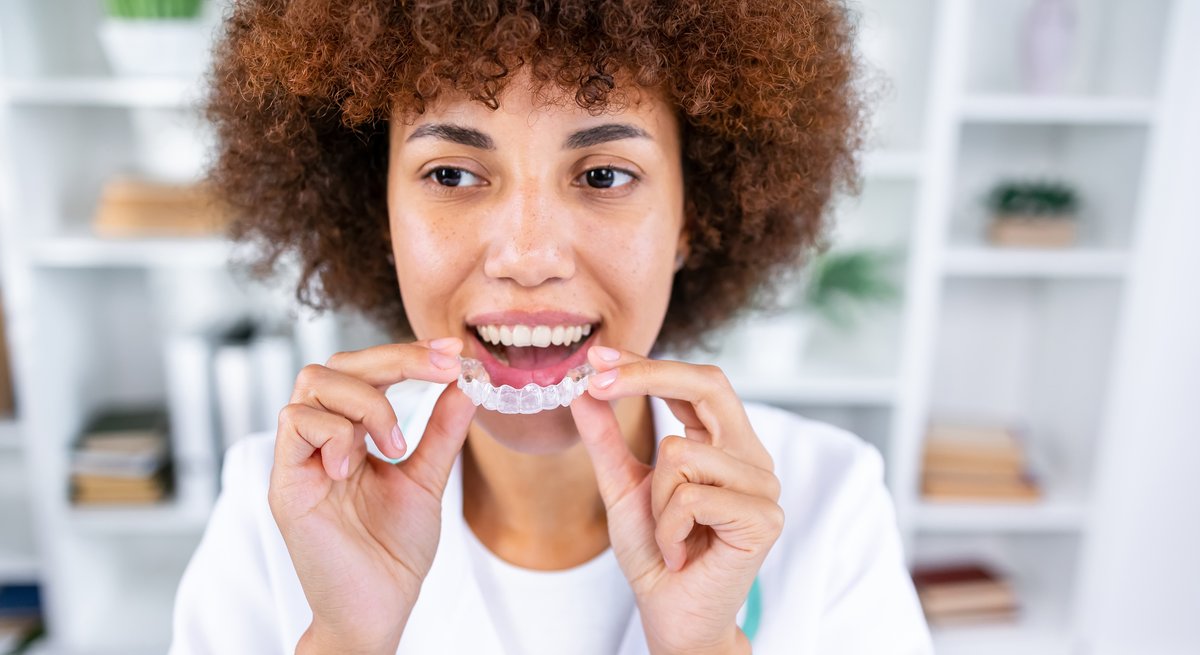
A crowded lower arch, a bite that’s drifted over the years, or a smile you’ve simply stopped loving in photos are all common reasons adults wait decades before considering orthodontic treatment. Many assume braces are for teenagers, or worry that straightening teeth later in life means months of visible metal and awkward hardware at client meetings. Neither assumption holds up, and starting Invisalign after 40 comes with its own set of advantages worth understanding.
At Atlas Dental Specialists, Dr. Mara Mangini works with adult patients throughout Downtown Pittsburgh and Shadyside who are exploring clear aligner therapy for the first time later in life. As a prosthodontist, she brings a broader lens to treatment planning, one that looks beyond simple alignment to consider how teeth, bite, and long-term restorative needs fit together. That perspective matters more as patients age, because a mouth that’s had decades of wear, fillings, or other dental work often needs a more thoughtful plan than a teenager’s first set of aligners.
Why More Adults Are Starting Treatment Later
Orthodontic treatment used to be seen as something you finished before your twenties, but that picture has shifted substantially. According to the American Association of Orthodontists, the estimated number of patients in active orthodontic treatment across the United States and Canada has grown to roughly 5.51 million, and the only age group to see a real decline in recent years was patients between 18 and 34. Older adults are not a shrinking share of the orthodontic population; they are one of the more stable groups showing up for treatment.
Part of this comes down to awareness. Clear aligners are far less noticeable than traditional braces, which makes the idea of straightening teeth in your 40s, 50s, or beyond feel realistic rather than embarrassing. Part of it also comes down to timing: many adults finally have the flexibility, whether financially or in their schedules, to take on a treatment they postponed for years. Whatever the reason, Invisalign for older patients has become a routine part of general dentistry rather than an unusual request.
What Actually Changes After 40
The biology of adult teeth does shift with age, but not in a way that rules out treatment. Bone density, gum health, and the condition of existing dental work all play a bigger role in planning than they would for a younger patient. A dentist reviewing your case after 40 will look closely at whether you have crowns, bridges, or areas of gum recession, because aligners need to move teeth in a way that respects that existing work rather than working against it.
This is where having a prosthodontist involved makes a real difference. Because Dr. Mara treats the full picture of a patient’s mouth, she can flag if a crown needs adjustment before aligner trays are fabricated, or if a bite issue is actually tied to a missing tooth that should be addressed at the same time. Adults over 40 are also generally more consistent about wearing aligners as directed, because the motivation to finally address a long-standing concern tends to be strong. That combination of careful planning and steady compliance is part of why clear aligner therapy works well for older patients who commit to the process.
Common Concerns Adults Bring to Their First Visit
Most new patients over 40 arrive with a similar set of questions, and talking through them upfront tends to ease the decision.
- Will treatment take longer than it would have at a younger age?
- Are aligners still effective if I have a filling, crown, or missing tooth?
- Will this interfere with dentures, a bridge, or an implant I already have?
- Can I still see clients or attend events without anyone noticing?
These questions get answered differently for every patient, because so much depends on the specific condition of your teeth and gums going into treatment. A short consultation is usually enough to map out realistic expectations, including how long trays need to be worn and how often check-ins are needed along the way.
How a Prosthodontist’s Perspective Helps Long Term
Straightening teeth is rarely just about appearance once you pass 40. Crowding or bite misalignment can make it harder to clean certain areas of your mouth, which raises the risk of decay or gum problems down the road. Fixing that alignment now can actually reduce future restorative work, rather than only serving as a cosmetic upgrade.
This is also where a prosthodontist’s training becomes useful in ways a general aligner provider might not offer. If you eventually need a crown, bridge, or implant, having a dentist who already understands the full architecture of your bite from the aligner process saves time and avoids conflicting treatment plans. Straightened teeth are also simply easier to maintain, whether that means better fit for a nightguard, cleaner margins around future crowns, or fewer tight spaces where plaque can build up.
Get Started With Invisalign at Atlas Dental Specialists
Choosing to start Invisalign after 40 is not about starting over; it is about finally addressing something that has been on your mind for years, backed by a plan built around how your mouth has actually changed over the past twenty years. At Atlas Dental Specialists, Dr. Mara Mangini’s background as a prosthodontist means your treatment plan accounts for your full smile, not just tooth position, and the practice’s same-day technology and flexible financing options make it easier to move from consultation to treatment without unnecessary delays.
If you have been putting off orthodontic treatment because you assumed it was too late, a conversation with our team is the easiest way to find out otherwise. Reach out through our contact form to schedule a consultation and see what a personalized Invisalign plan could look like for you.