 Prosthodontics is moving faster than most patients realize. The tools available today for planning, designing, and placing restorations are more precise and more predictable than they were even five years ago, and the pace of change is accelerating. For patients who have been putting off a major procedure, or who simply want to know what modern dental care looks like, the picture is more encouraging than you might expect.
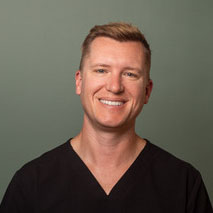
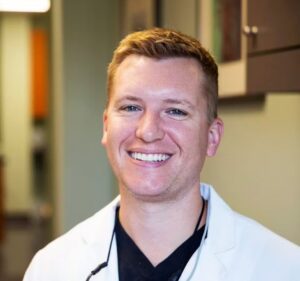
We sat down with our very own Dr. Nicolas Mangini to get his perspective on where the field is headed. As a trained prosthodontist with years of experience serving Pittsburgh, Dr. Mangini has a front-row seat to these changes, and his outlook on the next five years is worth hearing. Learn more about what a prosthodontist in Pittsburgh may be able to do for you.
Digital Technology Is Changing How Treatment Gets Planned
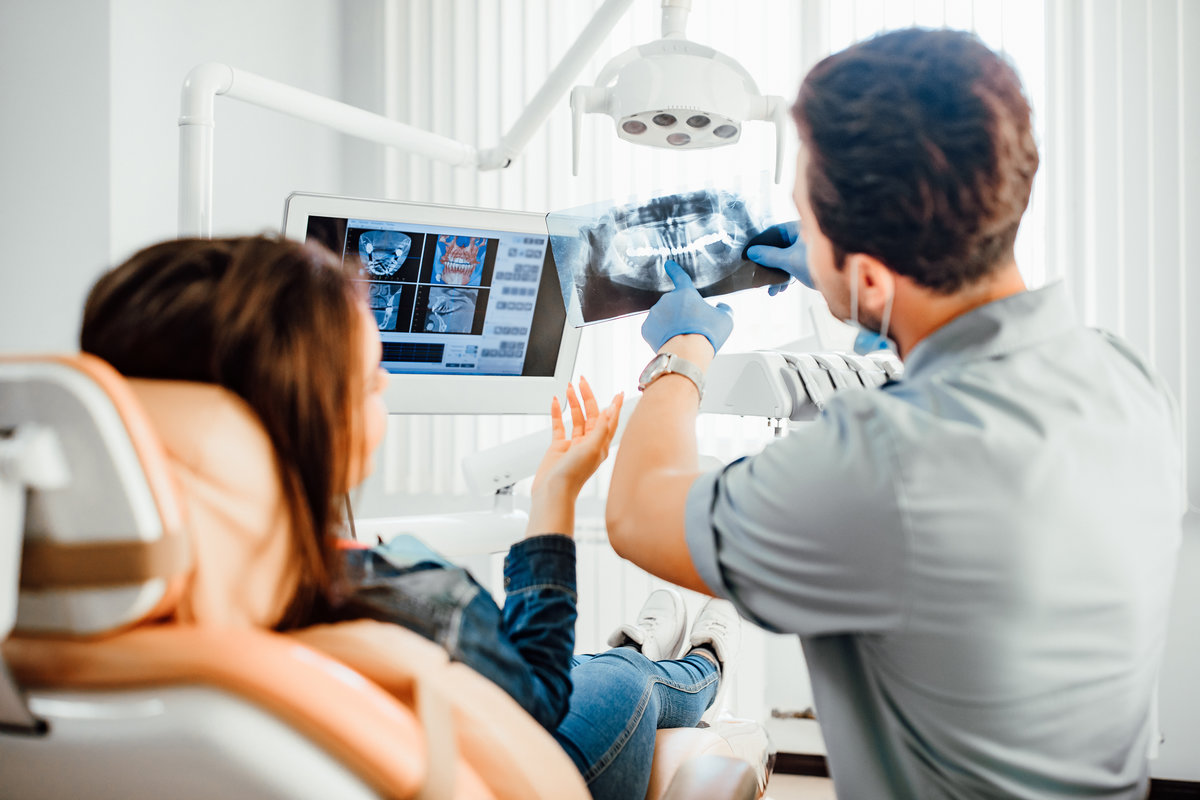
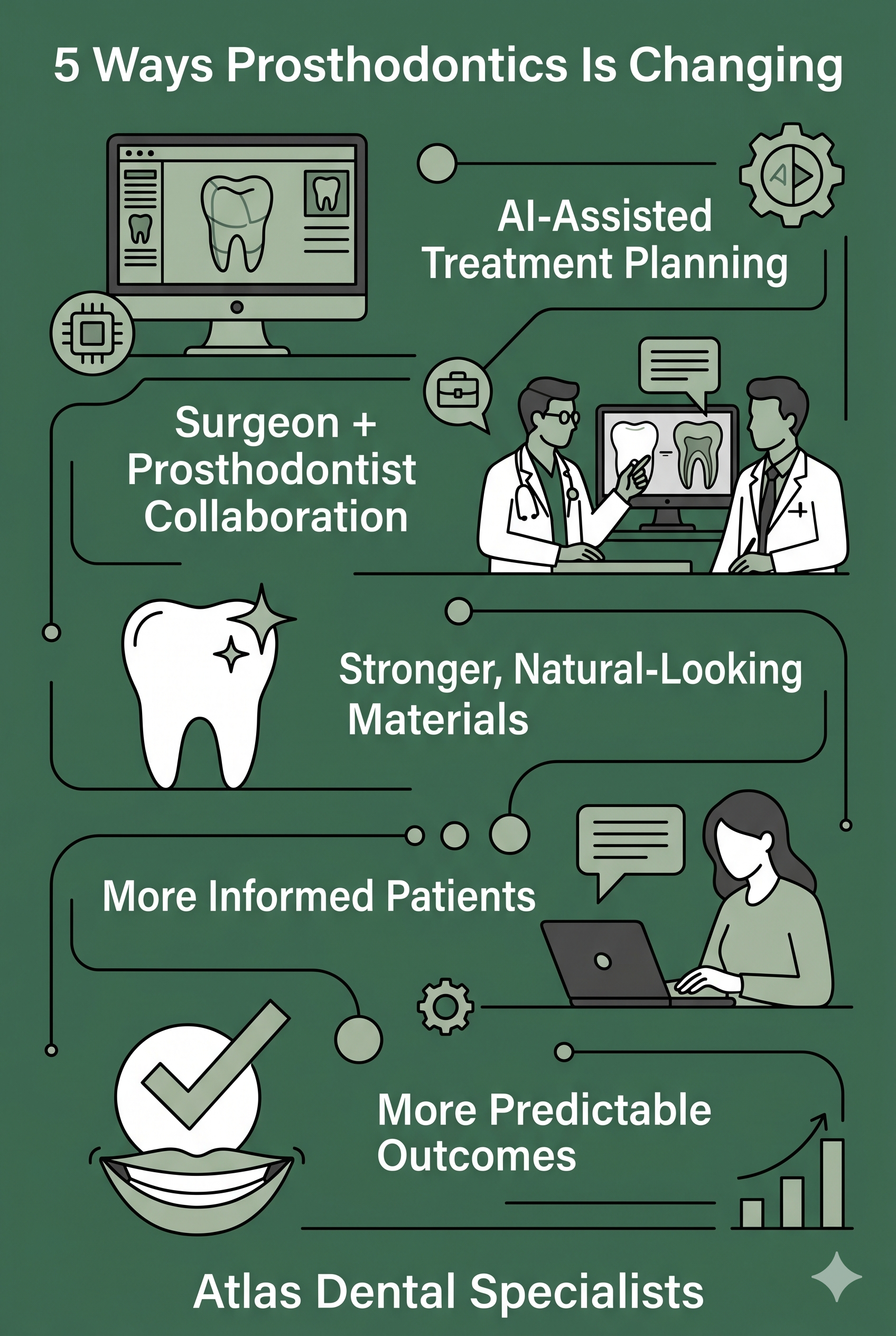
The biggest shift happening in prosthodontics right now involves the integration of digital tools at every stage of care. Dr. Mangini points to this as the development most likely to shape patient experiences over the next five years. “These technologies allow us to plan treatments with incredible precision before a procedure even begins,” he says, noting that 3D imaging, intraoral scanning, and AI-assisted planning have made it possible to anticipate outcomes with a level of detail that simply wasn’t available before. For patients, that translates to more predictable results and a smoother process from start to finish.
According to a 2025 narrative review published in the Journal of Clinical Medicine, AI is rapidly transforming implant dentistry by enhancing every stage of treatment, from diagnostics and digital planning to surgical navigation and outcome prediction. That research aligns with what we’re already seeing in practice, and it points toward even greater precision ahead. At Atlas Dental Specialists, digital workflows are already part of how we approach restorative cases.
Technology Supports Expertise, It Doesn’t Replace It
There’s a lot of conversation in dentistry right now about AI and digital smile design, and it’s worth putting those tools in their proper context. Dr. Mangini sees real value in them while being clear about their role. “Every patient has unique goals, anatomy, health considerations, and expectations,” he says. “Technology provides valuable information, but it takes the training and judgment of a prosthodontist to determine the best path forward. These tools enhance expertise; they don’t replace it.”
That distinction matters when you’re considering a significant procedure. An algorithm can help identify options and improve efficiency, but the person interpreting that information and making decisions on your behalf still needs to be a highly trained clinician who takes your full picture into account. That’s precisely what sets prosthodontic care apart from general dentistry.
Implant Outcomes Are Getting More Predictable
Dental implants have evolved significantly over the past decade, and Dr. Mangini sees the next leap coming from closer collaboration between specialists combined with smarter pre-surgical planning. “Prosthodontists and surgeons can virtually plan implant treatment together before surgery takes place,” he says. “That means implant placement can be guided by the final restoration from the very beginning.” He also notes that restorative materials continue to improve, becoming stronger, more natural-looking, and longer-lasting with each generation.
For patients considering implant-supported dentures or full-arch treatment, this kind of coordinated planning means the entire care team is aligned on the end goal long before anyone picks up an instrument.
Patients Are Coming In Better Prepared
One of the more notable changes in recent years is how informed patients are when they walk through the door. Dr. Mangini sees this as a positive development overall. “Many arrive with thoughtful questions and a better understanding of available treatment options,” he says. The challenge, he notes, is that not everything found online applies to every individual situation. Our role is to help patients connect what they’ve researched to what actually makes sense for their specific needs.
We’re also seeing more patients seek second opinions or ask about full mouth reconstruction options they may not have encountered before. An informed patient tends to be a more engaged patient, and that leads to better outcomes.
Schedule a Consultation With Atlas Dental Specialists
Drs. Nicolas and Mara Mangini have been caring for Pittsburgh patients for years, building a practice rooted in prosthodontic training and a genuine commitment to long-term results. As Dr. Mangini puts it, “Today’s treatment planning is more precise and predictable than ever before. Patients are often surprised by how much easier the process feels compared to what they expected.” That’s a reflection of what this practice has worked to build.
If you’re ready to explore what modern prosthodontic care may be able to do for your smile, contact Atlas Dental Specialists to schedule a consultation with Dr. Nicolas Mangini.