
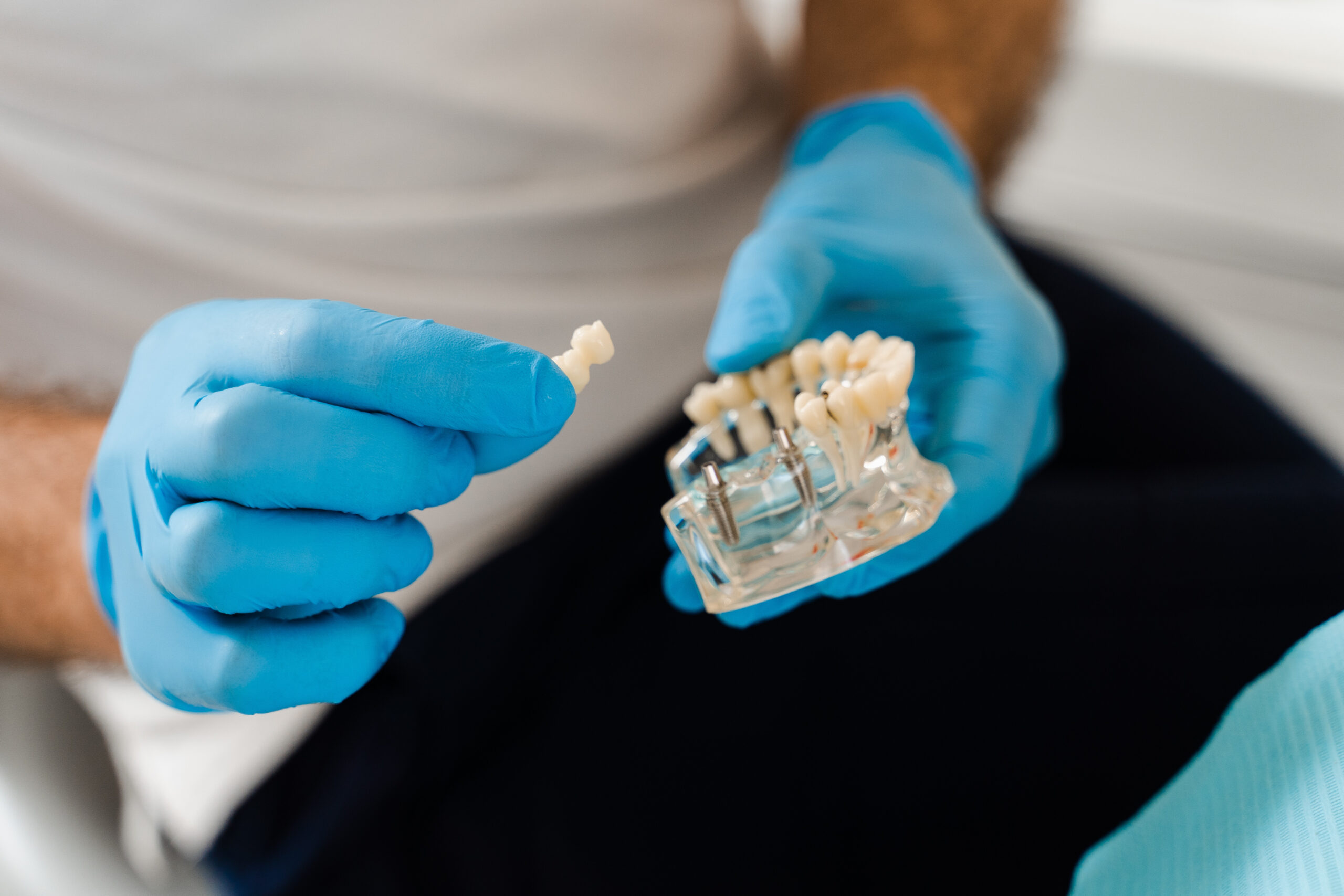
A missing tooth is more than merely a cosmetic problem. Chewing gets harder, your bite can shift, and it is easy to feel self-conscious every time you smile or laugh. If you also manage diabetes, you may have already heard that implants are not an option for you, and that worry can be enough to make you put off asking about tooth replacement altogether.
At Atlas Dental Specialists, our team places dental implants for patients with a wide range of health backgrounds, and a diabetes diagnosis does not automatically take implants off the table. What matters far more than the diagnosis itself is how well blood sugar is managed day to day, along with a few other factors our team thoroughly discusses with every patient before recommending a treatment plan.
How Diabetes Affects Implant Healing
Dental implants depend on a process where the jawbone gradually fuses around the titanium post over several months, and the success of that fusion impacts whether the implant will last. Elevated blood sugar can slow this healing process and make the body more prone to infection, so patients whose diabetes goes unmanaged do face a higher risk of implant complications during that healing window.
The outlook changes considerably for patients whose blood sugar stays within a healthy range. A 2024 systematic review found well-managed diabetes, with an A1C below 8%, did not significantly reduce implant survival, and outcomes were close to those seen in patients without diabetes at both the one-year and five-year marks. Poorly controlled blood sugar, rather than diabetes as a diagnosis, was the factor most closely tied to bone loss around the implant site.
What Determines If You Are a Candidate?
Instead of looking at a diabetes diagnosis on its own, our team reviews the full picture: recent A1C readings, how consistently blood sugar stays in range, current gum health, and how much bone density remains in the jaw. Smoking, untreated gum disease, and low bone volume can each add risk on top of diabetes, so we take all of it into account before suggesting next steps.
For some patients, a staged approach or a full mouth reconstruction makes more sense than placing a single implant right away, because it gives tissue more time to heal between appointments. Other patients are better suited to implant-supported dentures, which spread pressure differently across the jaw and place less demand on any one area of bone. A conversation with our team, paired with input from your physician, gives us a clear sense of where you stand before we make any recommendations.
Steps to Improve Your Chances of Success
A handful of habits before and after surgery can shift the odds in your favor when you are managing diabetes and considering implants. Patients who stay consistent with these steps tend to see fewer complications and a smoother healing process overall:
- Keep blood sugar readings steady and well documented in the weeks leading up to surgery, not only on the day of the appointment.
- Brush and floss around the surgical site exactly as instructed to help lower infection risk.
- Avoid smoking or vaping, both of which slow blood flow to healing gum tissue.
- Keep every follow-up visit so our team can catch early signs of trouble before they grow.
Sticking with these habits gives the implant the best possible environment for the bone to fuse around it, and it tends to make follow-up visits far more straightforward for both you and our team.
Talk to Atlas Dental Specialists About Your Options
A diabetes diagnosis certainly adds another factor to weigh, but it rarely closes the door on a full, functional smile. Our dental implant guide covers what to expect at each stage of treatment, from the first scan through the final restoration, so you have a clear picture before committing to anything.
If you manage diabetes and want an honest answer about whether implants could work for you, reach out through our contact form. Our team can help you figure out the right next step for your smile.