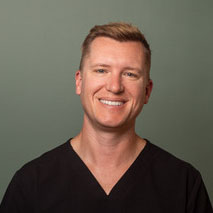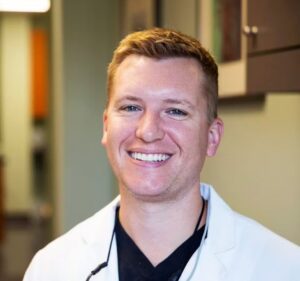
 The consultation room is a strange place. Patients often arrive with one concern on their lips and a much bigger story written across their teeth, jaw, and gums. For a trained prosthodontist, that story is remarkably easy to read, even when the patient has no idea it’s being told.
Dr. Nicolas Mangini has spent years watching this play out from the other side of the chair. We asked him to pull back the curtain on what he actually notices during a consultation, and why what patients don’t say is often just as important as what they do. If you’ve been curious about what a consultation with a prosthodontist in Pittsburgh actually looks like, here’s an honest picture.
We Start Reading Before You Say a Word
The moment a patient walks in, a lot of information is already available. Dr. Mangini describes it plainly: “The way someone smiles, speaks, chews, or even avoids showing their teeth can tell us a great deal.” Worn teeth, bite problems, signs of clenching, gum concerns, and missing support are all visible before the clinical exam even begins. Patients typically arrive focused on one thing, whether it’s a single tooth or a cosmetic issue, while we can already see how multiple factors may be connected.
That’s not a criticism. Most people aren’t trained to interpret what’s happening in their own mouths. It’s simply the reality of what a specialist’s eye picks up that a patient can’t.
Dental Anxiety Is More Common Than Patients Admit
A lot of patients downplay how nervous they are, or don’t mention it at all. According to the National Institute of Dental and Craniofacial Research, approximately 10 to 20 percent of individuals across the lifespan have clinically significant dental fear, and many of those people never say so directly.
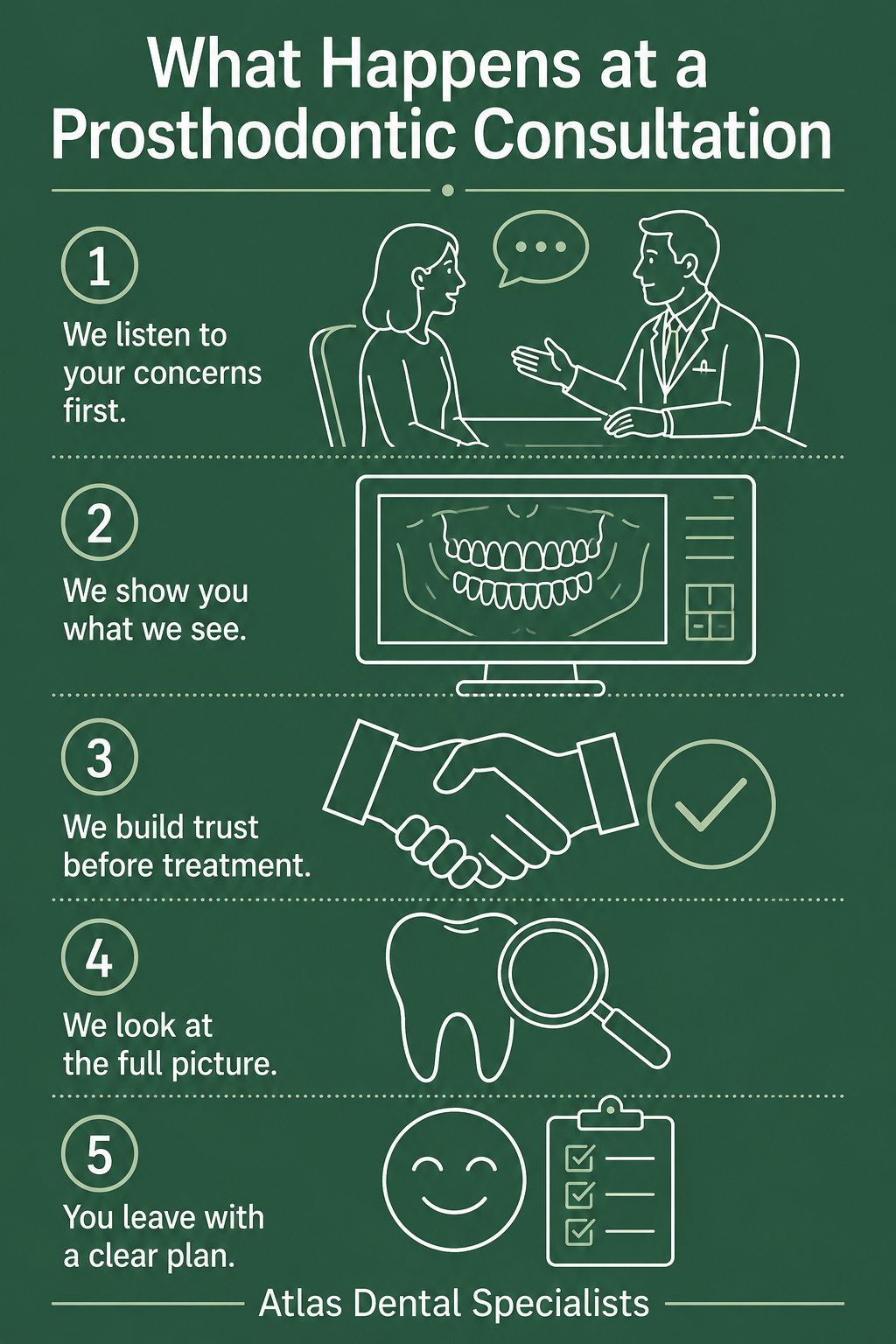
Dr. Mangini watches for the signals. “Some avoid eye contact, speak quickly, seem unusually tense, or apologize repeatedly for the condition of their teeth,” he says. When those signs are present, the approach shifts. “We slow things down. We spend more time listening, explaining, and making sure patients feel comfortable. Building trust is often just as important as discussing treatment options.” A consultation isn’t just a clinical intake. It’s a relationship, and that relationship has to be built carefully.
When What You Came In for Isn’t the Whole Picture
It’s common for patients to arrive focused on one specific problem and leave with a better understanding of how that problem fits into a larger pattern. Dr. Mangini approaches those conversations thoughtfully. “We always start by listening to the patient’s concerns because those concerns are important,” he says. “Then we explain how that issue fits into the larger picture of their oral health.” X-rays, scans, and photographs help patients see what the clinical eye already sees, making those conversations easier and more productive.
For patients weighing options like smile makeover treatment or addressing long-standing dental problems, this kind of whole-picture thinking leads to better results and fewer surprises down the road.
Long-Term Adaptation and What It Reveals
Patients who have been managing with failing teeth or ill-fitting dentures for years often don’t realize how much they’ve adjusted their lives around the problem. Dr. Mangini has seen this repeatedly. “Many patients have adapted remarkably well to challenges affecting them for years. They’ve changed how they eat, how they smile, or even how they interact socially. Sometimes they’ve stopped doing things they enjoy because of their teeth.”
Those lifestyle changes matter when planning care. For patients considering full mouth reconstruction or dental implants, the goal isn’t just restoring teeth. It’s restoring the confidence and function patients quietly gave up along the way.
What Your Mouth Is Telling Us That You Don’t Know
After years of consultations, Dr. Mangini has a clear answer to what patients most consistently underestimate. “The mouth often tells a story about habits, stress, health changes, and long-term dental issues,” he says. Wear patterns, gum condition, and bite function each carry information a trained eye can interpret in ways most patients wouldn’t expect. His takeaway is straightforward: “Most dental problems don’t happen overnight. The earlier we identify those patterns, the more treatment options we typically have available.”
See What a Prosthodontic Consultation at Atlas Dental Specialists Can Do for You
Dr. Nicolas Mangini and the team at Atlas Dental Specialists bring years of prosthodontic training and genuine care to every consultation. With locations in Downtown Pittsburgh and Shadyside, we take the time to understand not just the clinical picture, but the full story behind it. We accept MetLife, Cigna, Principal, Ameritas, and UnitedHealthcare and offer flexible financing options for patients with more involved treatment needs.
If you’re ready to get a complete picture of your oral health from a team that will take the time to understand it, contact Atlas Dental Specialists to schedule your consultation today.