 Not every dental case fits neatly inside a general dentistry practice. Some patients arrive with histories that are layered, mouths that have been through a great deal, or problems that look simple on the surface but aren’t. When a general dentist decides a case needs more than they can offer, a prosthodontist is often the next call. Dr. Nicolas Mangini of Atlas Dental Specialists sees those referrals regularly and knows exactly what tends to prompt them.
Understanding when and why general dentists refer patients can also help you recognize whether a prosthodontist might be the right fit for your own situation. If you’ve ever wondered what sets a prosthodontist in Pittsburgh apart from a general dentist, this is a good place to start.
What General Dentists Are Seeing When They Refer
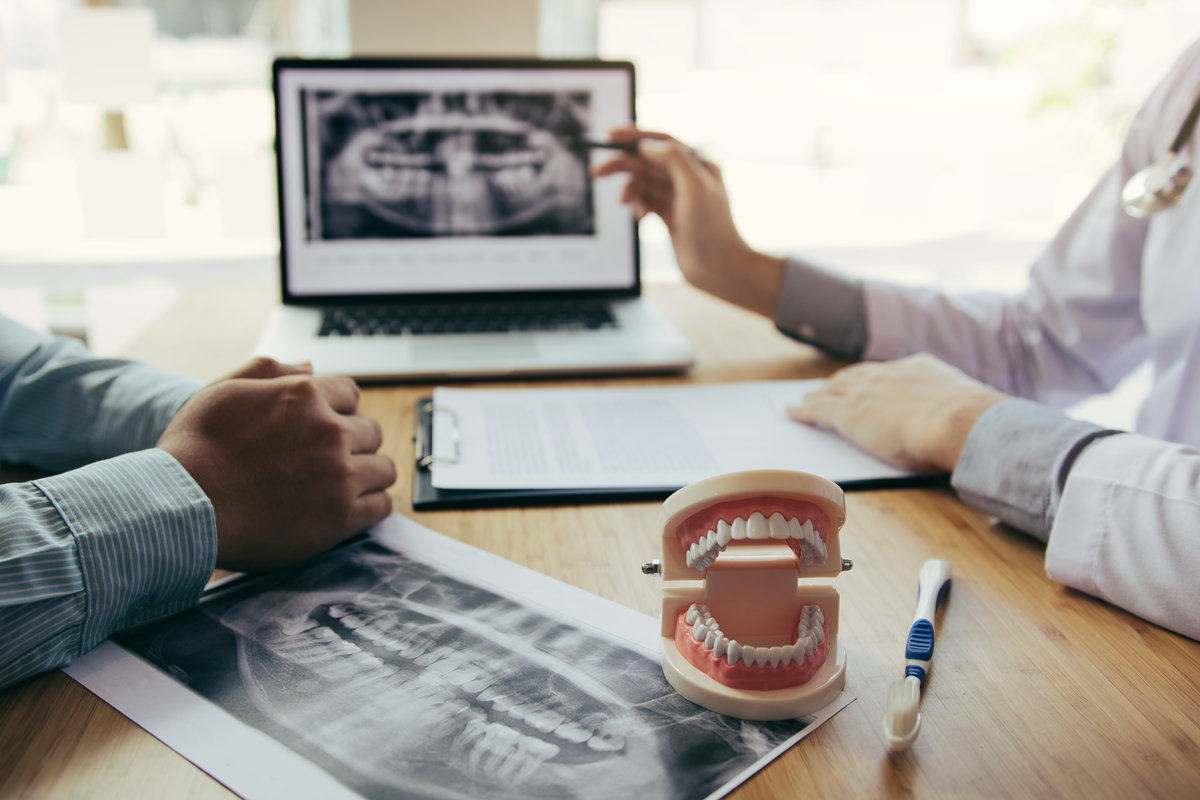
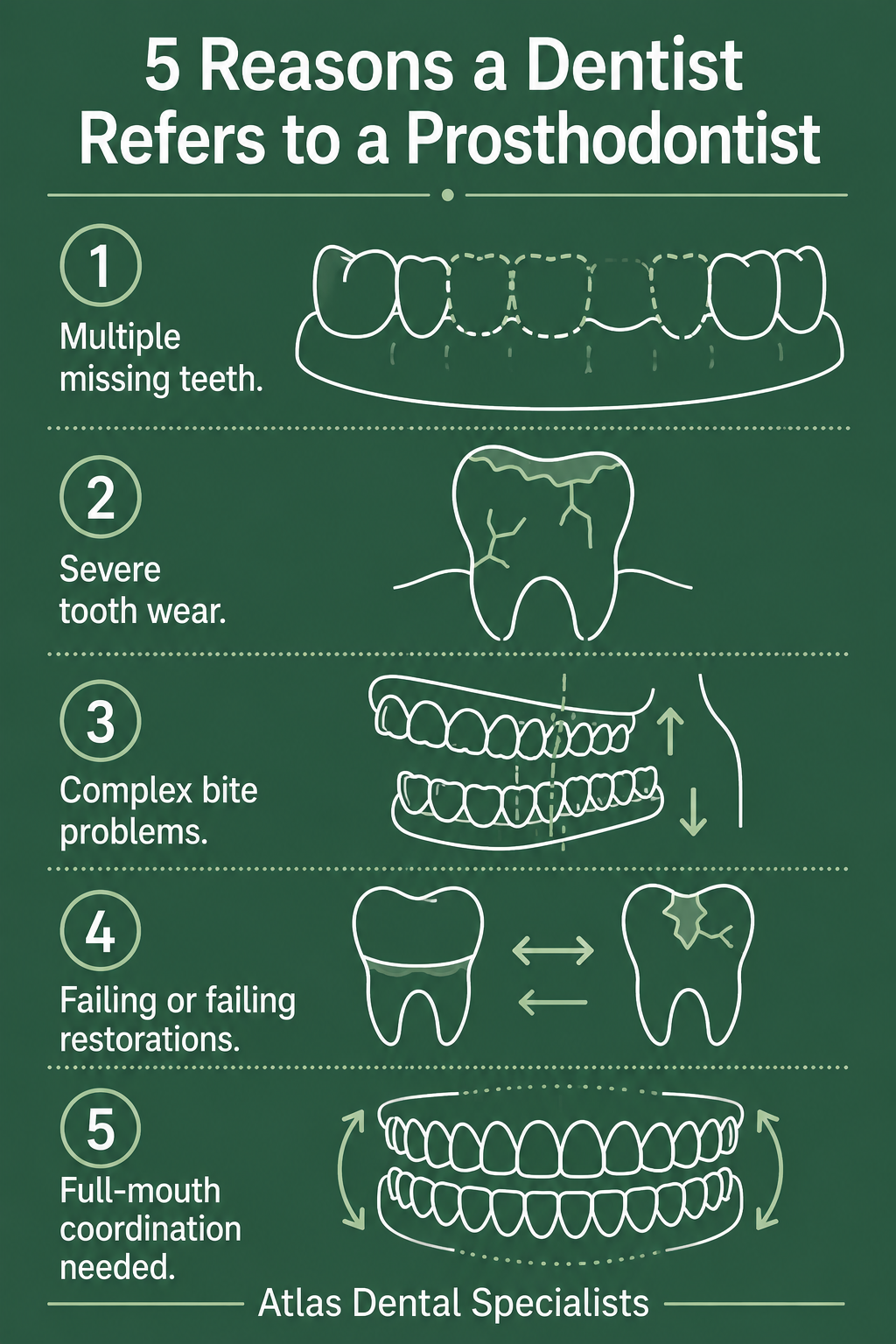
The most common referrals involve patients with multiple missing teeth, failing dental work, severe tooth wear, complex bite problems, or situations where a few treatment options need to be carefully coordinated. As Dr. Mangini explains, “these cases often require advanced planning and a comprehensive approach that looks at the entire mouth rather than a single tooth.”
That whole-mouth perspective is a core part of what prosthodontics offers. Where a general dentist may focus on one problem at a time, a prosthodontist is trained to see how every element connects and to plan treatment accordingly. The American Dental Association notes that cases requiring referral to a specialist demand clear communication between providers and the patient, a process we take seriously at every stage.
The Cases That Surprise People
Full mouth reconstruction and dental implant cases are obvious referrals, but Dr. Mangini points out that some of the most important ones don’t look complex from the outside. “Some cases appear straightforward but involve underlying bite issues, significant wear, or structural problems that aren’t immediately obvious,” he says. A single crown replacement, for example, can become much more involved if the surrounding teeth, bite, or existing restorations aren’t functioning properly.
That’s not a knock on general dentists. It’s simply a matter of training depth. Prosthodontists complete additional years of advanced education specifically to identify and manage the kinds of hidden challenges that can turn a routine case into something more demanding.
How Referred Care Actually Works
When a patient comes through a referral, communication with the referring dentist is a priority. “We work closely with the referring dentist to understand the patient’s history, goals, and previous treatment,” Dr. Mangini says. Throughout the process, findings and recommendations are shared so everyone stays aligned. The goal isn’t to take over a patient’s care. It’s to handle the complex pieces and send them back with a stronger foundation.
That collaborative model benefits the patient most. They keep their relationship with their general dentist while getting the focused attention their situation requires.
What Happens When Patients Arrive After Multiple Attempts
Sometimes patients reach us after a problem has been worked on a few times without a full resolution. Dr. Mangini’s approach is consistent: “We take a step back and evaluate the entire situation from the beginning.” That fresh look occasionally confirms the original direction. Other times, it surfaces larger issues that need to be addressed first. Either way, the goal is the most predictable long-term outcome, not a quick fix.
For patients considering full mouth reconstruction or complex restorative work, that kind of reset can make a meaningful difference in what’s achievable.
What a Prosthodontist Offers That a General Dentist Cannot
The honest answer is depth of training and a different scope of practice. Prosthodontists are dental specialists who complete three additional years of residency beyond dental school focused entirely on restoring and replacing teeth, managing complex bite relationships, and planning full-arch care. That training means we see patterns that may not be obvious in a general setting, and we have the tools and background to address them comprehensively.
Refer a Patient or Schedule a Consultation at Atlas Dental Specialists
Drs. Nicolas and Mara Mangini welcome both patient referrals and direct consultations at Atlas Dental Specialists, with locations in Downtown Pittsburgh and Shadyside. Whether a general dentist is looking for a trusted partner on a complex case or a patient wants a second set of eyes on a persistent problem, we’re here to help. We accept MetLife, Cigna, Principal, Ameritas, and UnitedHealthcare and offer flexible financing options.
Contact Atlas Dental Specialists to get started, or visit our referral form to send a patient our way.