
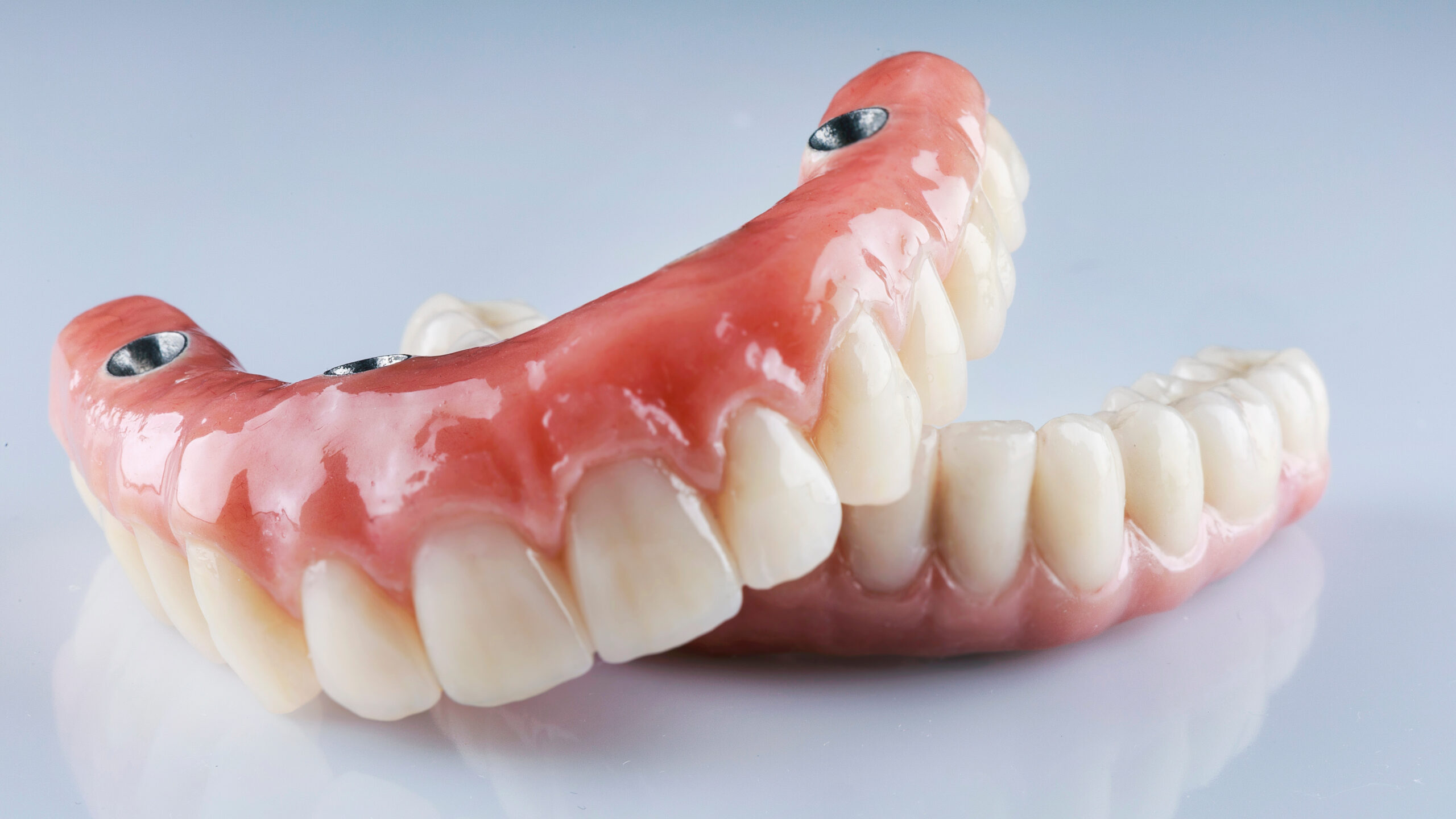
A denture that shifts while you eat, slips when you laugh, or clicks when you speak stops feeling like a solution and becomes a problem you manage rather than one you’ve solved. For patients living with that frustration, implant-supported dentures offer a real way forward. One of the first questions people ask is also one of the most important: how many implants do you actually need to make the denture stable, comfortable, and worth the investment?
At Atlas Dental Specialists in Pittsburgh, implant-supported dentures are genuinely a core part of what Dr. Nicholas Mangini and Dr. Mara Mangini do. They work through this decision with patients across both Pittsburgh locations regularly, and the honest answer is that the right implant count is not the same for everyone. If you have been exploring implant-supported dentures as an option, a few key factors will shape the recommendation you receive, and understanding those factors before your consultation makes the whole conversation more productive.
Why Implant Count Actually Matters
Not all implant-supported dentures are built the same. A denture anchored to implants is held in place by attachments that snap or clip onto the implants beneath it. The more implants supporting the denture, the more evenly the force is distributed when you chew, speak, and bite. But more implants don’t automatically mean better results for every patient, and fewer implants don’t automatically mean instability.
The Case for Two Implants
For the lower jaw, two implants have long been considered a reliable baseline. Research published in Evidence-Based Dentistry found that mandibular overdentures supported by at least two implants are widely recommended as standard treatment, with strong patient satisfaction outcomes regardless of the number of implants. In many cases, two well-placed implants on the bottom arch provide the stability patients need to eat, speak, and function comfortably without the full commitment of a fixed restoration. This is exactly the kind of outcome Dr. Nicholas Mangini sees regularly in patients who start with two implants on the lower arch and are genuinely happy with the results.
When Four or More Makes Sense
The upper jaw presents different challenges. Bone density tends to be lower, and the natural suction that helps upper dentures stay in place disappears once implants alter the denture’s fit. Because of that, four implants are typically recommended for upper arch overdentures to achieve comparable stability. Patients with significant bone loss, those who chew with considerable force, or those who want the most secure retention possible may also be better candidates for four implants, regardless of which arch is involved.

The Hybrid Approach Worth Knowing About
One option that doesn’t get discussed enough is the combination approach: implant-supported on the bottom, conventional on the top. This works well for patients who want meaningful improvement in stability without undergoing implant placement on both arches at once. Many patients who take this route start by stabilizing the lower denture, the arch where slipping tends to be most disruptive, and live comfortably that way for years. Some eventually decide to add upper implants after experiencing how much the lower implants have improved their quality of life.
This is something the team at Atlas Dental Specialists has seen firsthand. Understanding the full spectrum of options, from snap-in dentures to all-on-x, helps patients make a decision they’ll actually stick with long term. Patients who are weighing whether to make the transition from traditional dentures to implants often find that a staged approach takes the pressure off the decision.
What Goes Into the Recommendation
So what actually determines how many implants a patient needs? A few factors shape that answer:
- Bone volume and density: More available bone gives more options; limited bone may require a bone graft before implant placement or influence the number that can be placed safely.
- Which arch is being treated: The lower jaw typically does well with two implants; the upper jaw generally benefits from four.
- Existing denture fit: Patients coming in with poorly fitting dentures may have more bone loss to account for than those transitioning earlier.
- Personal goals and lifestyle: A patient who is highly active or eats a varied diet may benefit from more implant support; someone with modest functional demands may find two implants sufficient.
The recommendation at Atlas Dental Specialists always starts with a thorough evaluation of all of these factors, not a one-size-fits-all number. Knowing how to care for implant-supported dentures long-term is also part of the conversation from the start.
Talk to Atlas Dental Specialists About Your Options
If you’re trying to figure out whether two implants, four implants, or something in between is right for your situation, the most useful thing you can do is have that conversation with a prosthodontist who handles these cases regularly. At Atlas Dental Specialists, Dr. Nicholas Mangini and Dr. Mara Mangini bring deep experience in implant-supported restorations across both Pittsburgh locations, and they tailor every recommendation to the individual patient in front of them.
Reach out through the contact form to schedule a consultation and get a clear picture of what implant-supported dentures would actually look like for you.