
The belief that orthodontic treatment belongs only to teenagers is one of the most persistent myths in dentistry. Many adults over 50 assume their opportunity for a straighter smile has passed, accepting crooked or shifting teeth as an inevitable part of aging. This misconception prevents countless seniors from experiencing the confidence and oral health benefits that come with properly aligned teeth.
At Atlas Dental Specialists, we help patients of all ages discover the transformative power of Invisalign treatment. Our Pittsburgh prosthodontists understand that a beautiful smile has no expiration date, and we’re committed to helping seniors achieve the smile they’ve always wanted through comfortable, discreet orthodontic care.
Common Concerns About Senior Orthodontics
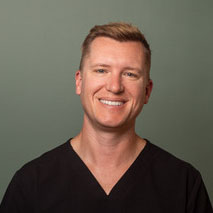
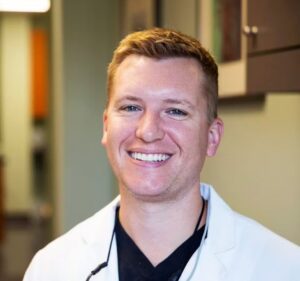
Senior patients often hesitate to pursue orthodontic treatment due to several misconceptions. Dr. Nicholas Mangini frequently addresses these concerns in his practice. “Many senior patients worry they’re ‘too old’ for orthodontics or that it’s ‘not worth it at this stage,’” he explains. “We always remind them: oral health and confidence have no expiration date. Whether you’re 17 or 70, straightening teeth can improve function, hygiene, and self-esteem.”
The “too old” mindset stems from outdated notions about orthodontics. Modern clear aligner therapy offers solutions specifically designed for adult lifestyles. Unlike traditional metal braces, Invisalign aligners integrate seamlessly into daily routines without disrupting social or professional activities.
Another common concern involves treatment duration and comfort. Senior patients worry about lengthy treatment times or discomfort associated with moving teeth. However, Dr. Mangini notes that many seniors are surprised to learn treatment can be both comfortable and efficient. “At Atlas Dental Specialists, we emphasize how discreet and convenient Invisalign is, with no metal brackets, dietary restrictions, or complicated maintenance. Seniors are often surprised to learn that treatment can be comfortable and relatively fast.” Patients who want to understand the full scope of benefits before scheduling can review our overview of why patients choose Invisalign over traditional braces.
A Transformative Success Story
The emotional impact of orthodontic treatment extends far beyond cosmetic improvements. Dr. Mangini recalls a particularly memorable case that illustrates this point. “We treated a 68-year-old woman who avoided smiling in photos for decades due to crowding and shifting. Her granddaughter’s wedding was coming up, and she wanted to feel proud in pictures.”
This patient’s journey exemplifies the life-changing potential of senior orthodontics. Through carefully planned Invisalign treatment, she achieved dramatic results within a reasonable timeframe. “We guided her through Invisalign, and within a year, her smile was completely transformed. Not only did she look radiant at the wedding, but she shared that the emotional impact, feeling confident again, was priceless.”
Stories like these demonstrate why age should never be a barrier to orthodontic treatment. The psychological benefits of feeling confident about your smile can positively impact every aspect of life, from social interactions to professional relationships.
Unique Considerations for Senior Patients
Treating senior patients requires specialized knowledge and careful planning. Dr. Mangini explains how senior orthodontics differs from treating younger patients: “Seniors often present with more complex oral histories, including missing teeth, restorations, bone loss, or TMJ issues. Our prosthodontic expertise allows us to customize Invisalign around these factors, ensuring safe, effective movement without compromising existing work.”
This complexity requires a comprehensive approach to treatment planning. At Atlas Dental Specialists, we coordinate orthodontic treatment with other necessary procedures. Sometimes this involves timing Invisalign alongside dental implant placement or coordinating with existing restorations.
The integration of multiple treatment modalities sets prosthodontists apart in managing complex cases. “Sometimes we coordinate with implants or restorations as part of a broader treatment plan,” Dr. Mangini notes. This holistic approach ensures optimal outcomes while protecting previous dental investments.
Why Invisalign Is Perfect for Active Seniors
The lifestyle advantages of Invisalign make it particularly appealing to today’s active senior population. Dr. Mangini highlights these benefits: “Invisalign is ideal for seniors because they are removable, comfortable, and virtually invisible. Many of our senior patients are still working or socially active, and they appreciate the discretion of Invisalign.”
The removable nature of Invisalign aligners addresses practical concerns that matter to seniors. Unlike traditional braces, aligners can be removed for special occasions, important meals, or professional presentations. This flexibility allows seniors to maintain their established routines without compromise.
Comfort represents another significant advantage. “There’s also less risk of irritation, and no dietary restrictions, a major lifestyle benefit,” Dr. Mangini explains. Seniors can continue enjoying their favorite foods without worrying about damaging brackets or wires. The smooth plastic aligners eliminate concerns about mouth sores or discomfort from metal components.
The nearly invisible appearance of Invisalign aligners particularly appeals to seniors who remain professionally active or socially engaged. Many patients report that friends and family members don’t even notice they’re undergoing orthodontic treatment.
Transform Your Smile at Atlas Dental Specialists
If you’ve spent years feeling self-conscious about your smile, now is the perfect time to explore your options. Dr. Mangini offers encouraging words for hesitant seniors: “If you’ve been unhappy with your smile for years, it’s never too late to make a change. The technology is more accessible than ever, and our team will walk you through every step. You deserve to feel good about your smile, and we’re here to help you achieve that, no matter your age.”
At Atlas Dental Specialists, Dr. Mangini brings advanced training in Invisalign therapy to help seniors achieve their dream smiles. Our prosthodontic background allows us to handle complex cases while ensuring your comfort throughout treatment. We accept major insurance plans, including MetLife, Cigna, Principal, and Ameritas, and offer flexible financing options to make treatment accessible. Ready to discover what Invisalign can do for your smile? Schedule your consultation online and we will connect you with the right location for your needs.
Seniors who pursue orthodontic treatment today benefit from advances in clear aligner technology that were not available even a decade ago. Invisalign’s treatment planning software allows providers to map out precise, staged tooth movements that account for the unique anatomy of an older adult’s mouth, including teeth that may have shifted gradually over many years, existing restorations, and areas where bone support has changed over time. Because prosthodontists train extensively in the relationship between tooth position, bite function, and the long-term health of surrounding structures, they are well positioned to evaluate all of these factors together as part of a complete care plan. Clear aligner treatment can often be coordinated alongside restorative work, so the final outcome supports both appearance and long-term function. Understanding the broader picture of how dental care needs change after 50 can also help seniors arrive at their consultation with realistic expectations and informed questions for the care team.
Frequently Asked Questions About Invisalign for Seniors
Is there an age limit for Invisalign treatment?
There is no upper age limit for Invisalign. Adults in their 60s, 70s, and beyond can be good candidates for clear aligner therapy. The key factors are overall oral health, adequate bone support, and the absence of uncontrolled gum disease rather than age itself. A thorough evaluation determines whether Invisalign is appropriate regardless of how many years have passed since a patient first thought about straightening their teeth.
How does Invisalign work around existing dental restorations like crowns or bridges?
Existing crowns, bridges, and other restorations require careful planning when designing an Invisalign treatment. Attachments typically cannot be bonded to porcelain crowns the same way they bond to natural enamel, so the treatment plan has to account for those surfaces. Prosthodontists, with their background in restorative work, are particularly well suited to navigate these considerations and design a plan that moves teeth effectively without putting unnecessary stress on existing dental work.
How long does Invisalign treatment typically take for older adults?
Treatment duration depends on the complexity of the case rather than the patient’s age. Mild crowding or shifting may be addressed in as little as six to twelve months, while more involved corrections take longer. Older adults generally experience tooth movement at a similar rate to younger adults, though overall oral health and bone density can influence how quickly and predictably teeth respond to aligner forces.
What makes Invisalign a better fit for seniors compared to traditional braces?
The removability of Invisalign aligners is a major advantage for seniors who may have dietary considerations, existing restorations that require careful hygiene, or social and professional commitments where discretion matters. Aligners are removed for eating and cleaning, which means there are no food restrictions and maintaining oral hygiene is straightforward. The absence of metal brackets and wires also eliminates a common source of irritation, making clear aligners more comfortable for many patients throughout treatment.
Can Invisalign be used if I have some bone loss or missing teeth?
Mild to moderate bone loss does not automatically disqualify a patient from Invisalign, but it does need to be evaluated and managed before treatment begins. Gum disease, if present, typically needs to be brought under control first. Missing teeth create spaces in the arch that affect how the remaining teeth can be moved, so the treatment plan has to account for those gaps. In some cases, Invisalign is sequenced alongside implant placement to achieve the best overall outcome.