
Being told you’re not a candidate for dental implants can feel devastating, especially when you’re hoping to restore your smile and regain confidence in eating and speaking. Many patients who receive this disappointing news from other dental offices assume their options are limited to removable dentures or simply living with missing teeth. However, bone loss doesn’t automatically disqualify you from implant treatment.
At Atlas Dental Specialists, our Pittsburgh prosthodontists help patients overcome complex challenges that other practices may consider impossible. We use advanced diagnostic technology and proven techniques to provide dental implant solutions even when significant bone loss is present, giving hope to patients who thought their chance for permanent tooth replacement had passed.
Understanding Bone Loss and Modern Assessment Methods
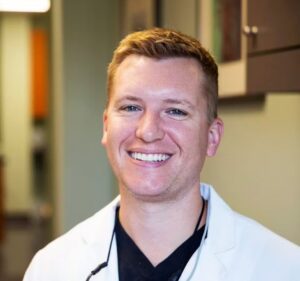
Jawbone loss occurs through several mechanisms, with tooth loss being the primary culprit. Dr. Nicholas Mangini explains the process: “Bone loss in the jaw is typically caused by tooth loss, periodontal disease, or trauma. When teeth are missing, the bone isn’t stimulated and begins to resorb.” This natural remodeling process means that areas without tooth roots gradually lose volume and density over time.
The key to successful implant treatment lies in the accurate assessment of remaining bone structure. Traditional X-rays often provide incomplete information about three-dimensional bone architecture. “At Atlas Dental Specialists, we use advanced imaging like CBCT scans to assess bone volume, density, and determine whether grafting or alternative implant options are needed,” Dr. Mangini notes.
CBCT (Cone Beam Computed Tomography) technology creates detailed 3D images that reveal bone quality and quantity from every angle. This comprehensive view allows our prosthodontists to identify viable implant sites that might be missed with conventional imaging methods.
Surprising Discoveries Through Advanced Imaging
Many patients arrive at our practice believing they lack sufficient bone for implants, only to discover otherwise through proper evaluation. Dr. Mangini frequently encounters this scenario: “Some patients who have been told by their previous dentist that ‘they dont have enough bone for implants’ are often surprised to find out that when we take a CBCT scan, they do in fact have an adequate volume of bone.”
This revelation highlights the importance of seeking evaluation from practitioners experienced in complex implant cases. What appears inadequate through limited assessment methods may actually provide a sufficient foundation for successful implant placement when evaluated properly.
When bone deficiency does exist, multiple treatment options can address the problem. “We offer multiple different techniques to rebuild the patient’s native bone,” Dr. Mangini explains. These approaches include targeted bone grafting procedures and strategic implant placement techniques.
Advanced Techniques for Complex Cases
Patients with insufficient bone height in the upper jaw often benefit from sinus lift procedures. “In certain cases, we perform what is known as a ‘sinus lift’ to increase vertical bone,” Dr. Mangini describes. This technique creates additional space for bone development by gently elevating the sinus membrane and introducing bone graft material.
Strategic implant positioning represents another valuable approach for patients with uneven bone loss. “We also have strategies such as angling implants to utilize existing bone rather than the areas where it may be deficient,” Dr. Mangini notes. This technique maximizes the use of available bone while avoiding areas of significant deficiency.
The combination of advanced planning software and prosthodontic training allows our team to identify optimal implant positions even in challenging anatomical situations. This comprehensive approach often reveals solutions where others see only obstacles.
The Bone Grafting Process and Recovery
When bone grafting becomes necessary, patients can expect a well-established, predictable procedure. Dr. Mangini reassures patients about the process: “Bone grafting is a predictable, routine procedure where donor or synthetic bone is placed into deficient areas. Patients typically experience mild discomfort, which is manageable with standard post-op care.”
The healing timeline varies based on the extent of grafting required. “Healing takes 3–6 months, depending on the site and extent, after which implants can be placed,” Dr. Mangini explains. During this period, the grafted material integrates with existing bone, creating a solid foundation for implant placement.
Modern bone grafting materials and techniques have significantly improved both comfort and outcomes. Most patients find the recovery process more manageable than anticipated, with appropriate pain management protocols ensuring minimal disruption to daily activities.
Exceptional Success Rates and Timeline Expectations
Patients often worry that bone grafting procedures might compromise implant success rates. However, research demonstrates otherwise. “Implants placed after bone grafting have very high success rates, comparable to those placed in native bone—typically over 95%,” Dr. Mangini confirms.
The complete treatment timeline requires patience but delivers lasting results. “The full process may take 4–9 months, but many patients say the result is well worth the wait for a permanent, natural-looking solution,” Dr. Mangini notes. This timeframe includes both bone healing and implant integration phases.
The extended timeline allows for proper biological healing at each stage, ultimately contributing to the exceptional long-term success rates. Patients appreciate that this methodical approach prioritizes lasting stability over speed.
Hope for Complex Cases at Atlas Dental Specialists
If you’ve been discouraged by previous consultations, don’t give up on your implant dreams. Dr. Mangini offers hope to these patients: “Being told you’re not a candidate somewhere else doesn’t mean it’s the end of the road. At Atlas, we handle complex, full-mouth and implant cases, and we’ve helped many patients others have turned away. With digital planning, grafting, and customized approaches, there’s almost always a solution.”
As prosthodontists, Drs. Nicholas and Mara Mangini bring advanced training in complex dental reconstruction to every case. Our full-service approach means you receive both implant placement and custom restorations in one convenient location. We accept major insurance plans, including MetLife, Cigna, Principal, and Ameritas, with flexible financing options available. Ready to explore your implant options despite bone loss concerns? Call us today at (412) 281-9411 for our Downtown Pittsburgh location or (412) 730-2560 for our Shadyside office, or schedule your comprehensive consultation online.
Frequently Asked Questions About Dental Implants and Bone Loss
Does bone loss automatically disqualify me from getting dental implants?
No. Multiple techniques, including bone grafting, sinus lifts, and strategically angled implants, can often overcome bone loss that other practices may consider disqualifying.
How do you determine how much bone I have available for implants?
CBCT (Cone Beam Computed Tomography) imaging provides detailed 3D views of bone volume and density, often revealing more usable bone than traditional X-rays show.
What is a sinus lift and when is it needed?
A sinus lift is a procedure that adds bone graft material to increase vertical bone height in the upper jaw, making implant placement possible in areas with insufficient natural bone.
How long does bone grafting and healing take before implants can be placed?
Healing after bone grafting typically takes 3 to 6 months depending on the site and extent of grafting needed, with the full process from grafting through implant placement often taking 4 to 9 months.
What are the success rates for implants placed after bone grafting?
Implants placed after bone grafting have success rates comparable to implants placed in native bone, typically exceeding 95%.