
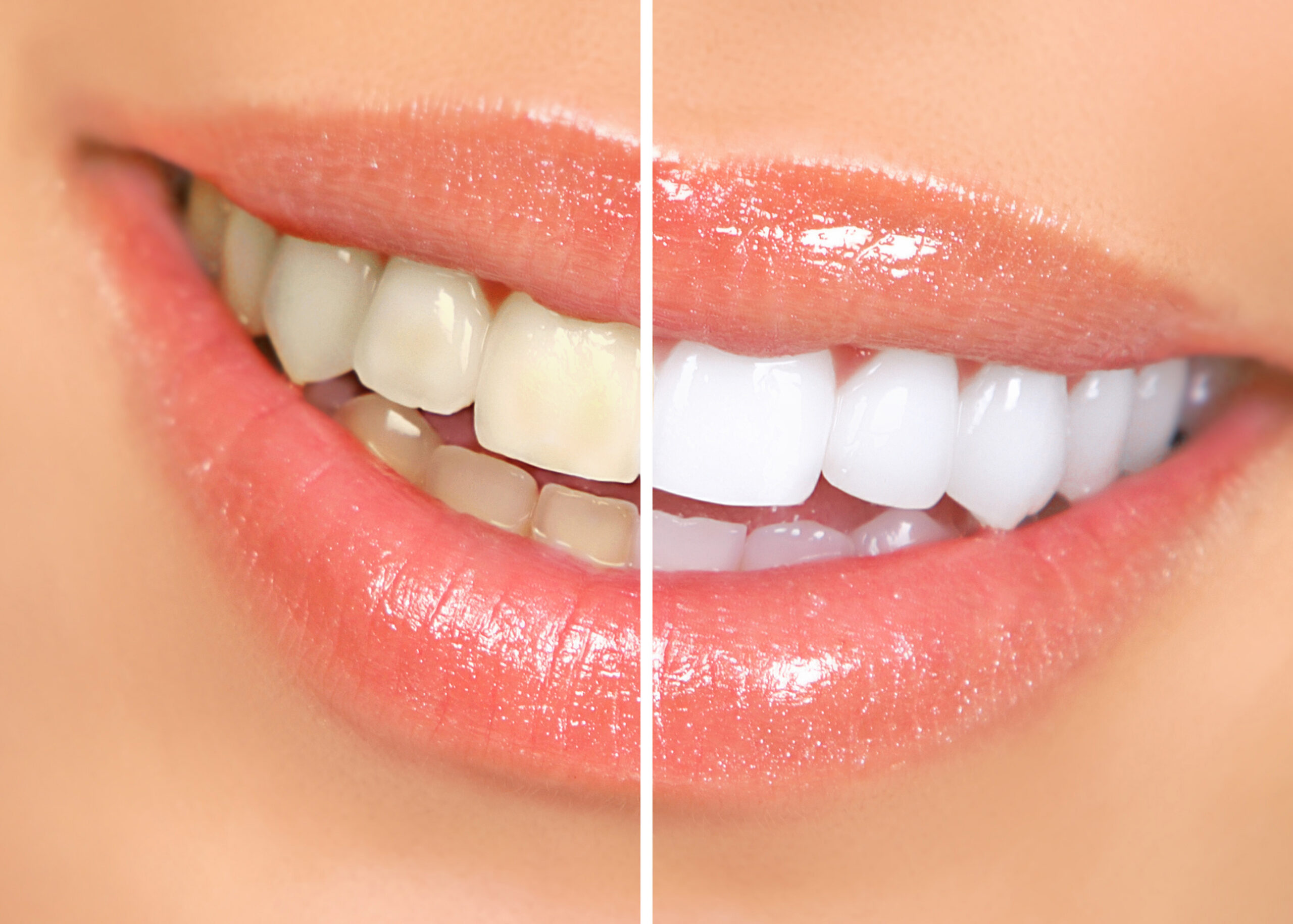
 You finally did it. You walked out of the dentist’s office with a noticeably brighter smile, and you want it to stay that way. The good news is that with a few consistent habits, professional whitening results can last far longer than most people expect.
At Atlas Dental Specialists, Dr. Mara Mangini helps patients in Pittsburgh achieve and maintain their whitening results with guidance tailored to each person’s lifestyle. Professional teeth whitening delivers results that over-the-counter products simply cannot match, and protecting that investment does not require an overhaul of your daily routine. A few targeted adjustments go a long way.
What Causes Whitening Results to Fade?
Understanding what works against your results is the first step toward keeping them. Teeth naturally pick up pigment from the foods and drinks you consume, and the enamel is most vulnerable to new staining in the 48 hours immediately following a whitening treatment. That short window matters more than most people realize.
The Foods and Drinks to Watch
Coffee, tea, red wine, and dark sodas are the most common culprits. Berries, tomato-based sauces, soy sauce, and other deeply pigmented foods can also contribute to gradual discoloration over time. Tobacco use accelerates staining significantly and works against whitening results faster than almost anything else. Limiting these items, especially in the days right after whitening, makes a real difference in how long your results hold.
How Surface Stains Build Over Time
Staining is not always dramatic or sudden. It tends to happen gradually, which is why patients sometimes do not notice the shift until they compare photos or return for a follow-up visit. Research published in Medicina found that whitening outcomes showed measurable color stability over a six-month observation period, with daily habits playing a meaningful role in how well results were maintained. That finding reinforces what most dental professionals already tell their patients: the effort you put in after whitening matters as much as the treatment itself.
Daily Habits That Help Preserve Your Results
Consistency is what separates patients who hold onto their results for a year or more from those who notice fading within a few months. The habits below are easy to integrate and make a meaningful difference.
Brush and Rinse After Staining Foods
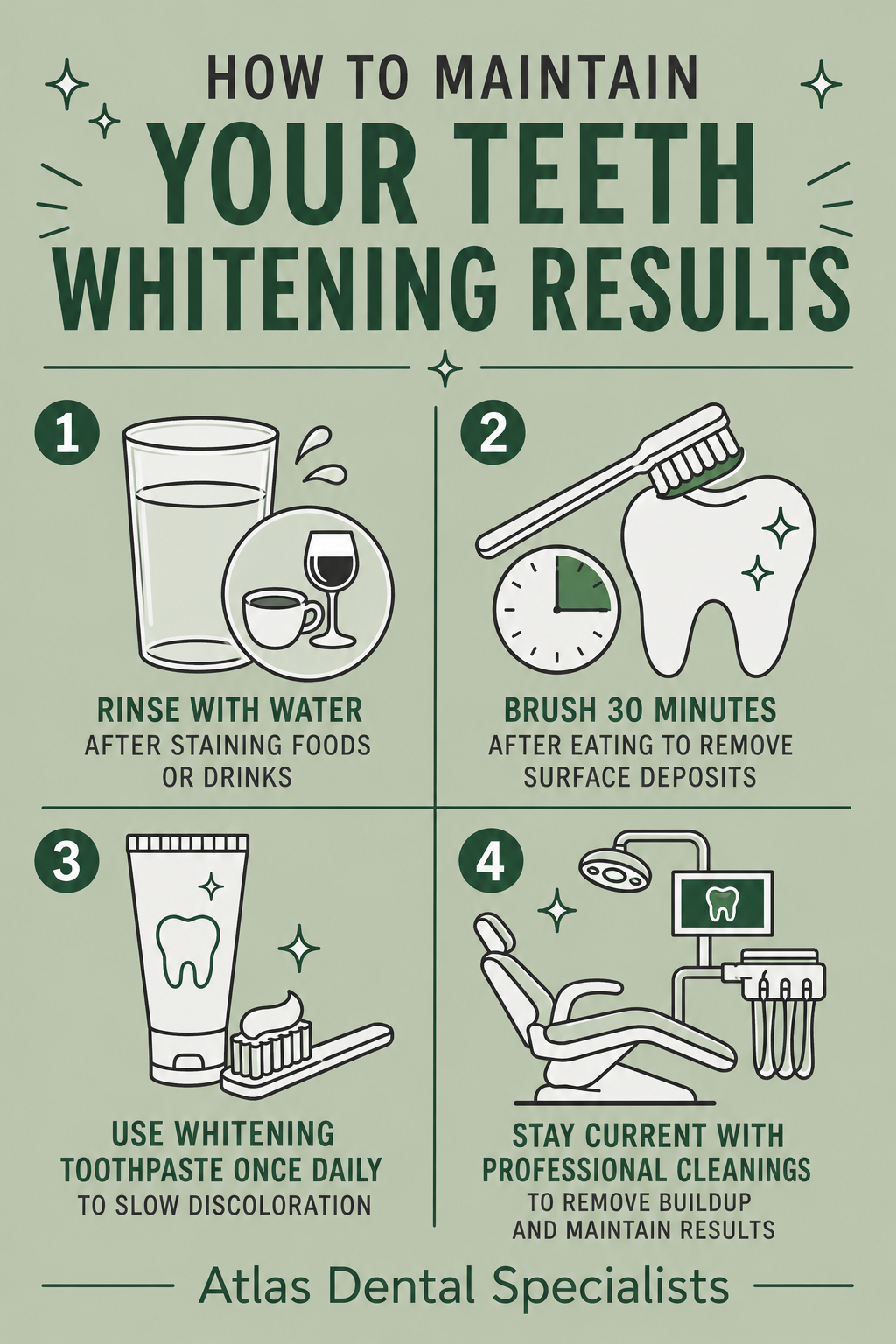
You do not need to swear off coffee forever. Rinsing your mouth with water immediately after consuming staining beverages helps minimize pigment absorption before it has a chance to set. Brushing about 30 minutes after eating or drinking gives enamel time to re-harden after any acid exposure while still removing surface deposits before they become stains.
Use a Whitening Toothpaste for Maintenance
A whitening toothpaste used once daily helps manage surface staining between professional treatments. It will not replicate the results of a professional session, but it does help slow the gradual return of discoloration. Look for options with mild abrasives or hydrogen peroxide, and avoid anything too abrasive that could wear down enamel over time.
Stay Current with Cleanings
Professional cleanings remove the tartar and surface buildup that dulls the appearance of teeth, even when no true staining is present. Staying on schedule with your cleanings at Atlas Dental Specialists means your smile always has a clean baseline to work from, and your hygienist can flag any early signs of staining before they become noticeable. If you are curious about how the whitening process works on a deeper level, the science behind professional teeth whitening is worth understanding.
When to Consider a Touch-Up
Most professional whitening results last anywhere from six months to well over a year, depending on lifestyle habits and the type of treatment used. Patients who are diligent about their maintenance routine tend to fall on the longer end of that range. When you do start to notice some return of discoloration, a touch-up treatment is typically much faster and more straightforward than the original session, as you are starting from a brighter baseline. Drs. Nicholas and Mara Mangini can recommend the right timing based on your individual results. Our Downtown Pittsburgh teeth whitening and Shadyside teeth whitening pages have more detail on the in-office options available at each location.
Patients interested in longer-lasting cosmetic improvements may also want to explore options like porcelain veneers, dental bonding, and the broader range of cosmetic dental services available at Atlas Dental Specialists. For patients exploring a full aesthetic refresh, a smile makeover consultation can bring whitening together with other treatments for a more complete result.
Keep Your Smile Bright with Atlas Dental Specialists
A whiter smile is worth protecting, and the team at Atlas Dental Specialists is here to help you do exactly that. Drs. Nicholas and Mara Mangini work with patients across both Pittsburgh locations to make sure whitening results last as long as possible, with maintenance plans designed around real life rather than a perfect set of circumstances.
If you are ready to schedule a whitening treatment or a touch-up consultation, reach out through the contact form, and we will get you set up at the location that works best for you.
Frequently Asked Questions About Maintaining Teeth Whitening Results
How long do professional teeth whitening results typically last?
Professional whitening results generally last between six months and well over a year, depending on daily habits and the type of treatment used. Patients who avoid heavily pigmented foods and beverages, maintain consistent oral hygiene, and attend regular professional cleanings tend to hold onto their results longer. Touch-up treatments are typically quick because patients are starting from a brighter baseline rather than from scratch.
What foods and drinks should I avoid after teeth whitening?
Coffee, tea, red wine, dark sodas, berries, tomato-based sauces, and soy sauce are among the biggest contributors to post-whitening staining. Tobacco use also accelerates discoloration significantly. The 48 hours immediately following a whitening treatment are the highest-risk window because enamel is most porous and susceptible to pigment absorption during that time. Limiting these items during that period makes a meaningful difference in how long results hold.
How soon after whitening can I eat and drink normally?
Most providers recommend following a white diet for the first 48 hours after treatment, sticking to foods and drinks that are light in color and low in pigment. After that window closes, normal eating and drinking can resume, though minimizing heavily pigmented foods on an ongoing basis will help extend results. Rinsing with water after consuming staining beverages and brushing about 30 minutes after meals continues to be beneficial long after the initial post-treatment period.
Is it safe to use whitening toothpaste every day?
Most whitening toothpastes are safe for daily use when used as directed, but it depends on the formulation. Options that rely on gentle abrasives or low concentrations of hydrogen peroxide are generally well tolerated. More abrasive formulas, used too frequently, can gradually wear down enamel over time. If you have sensitivity concerns or are unsure which product is appropriate, your dental team can recommend a formula that balances stain control with enamel protection.
When is the right time to schedule a whitening touch-up?
The right timing for a touch-up varies by patient, but a common indicator is when you notice a visible return of discoloration compared to how your smile looked right after treatment. For many patients this happens somewhere between six months and a year after the original session. Scheduling a touch-up before staining becomes significant means less treatment time is needed to restore the original result. Your dental team can help you identify the right interval based on your habits and how your specific results have held.