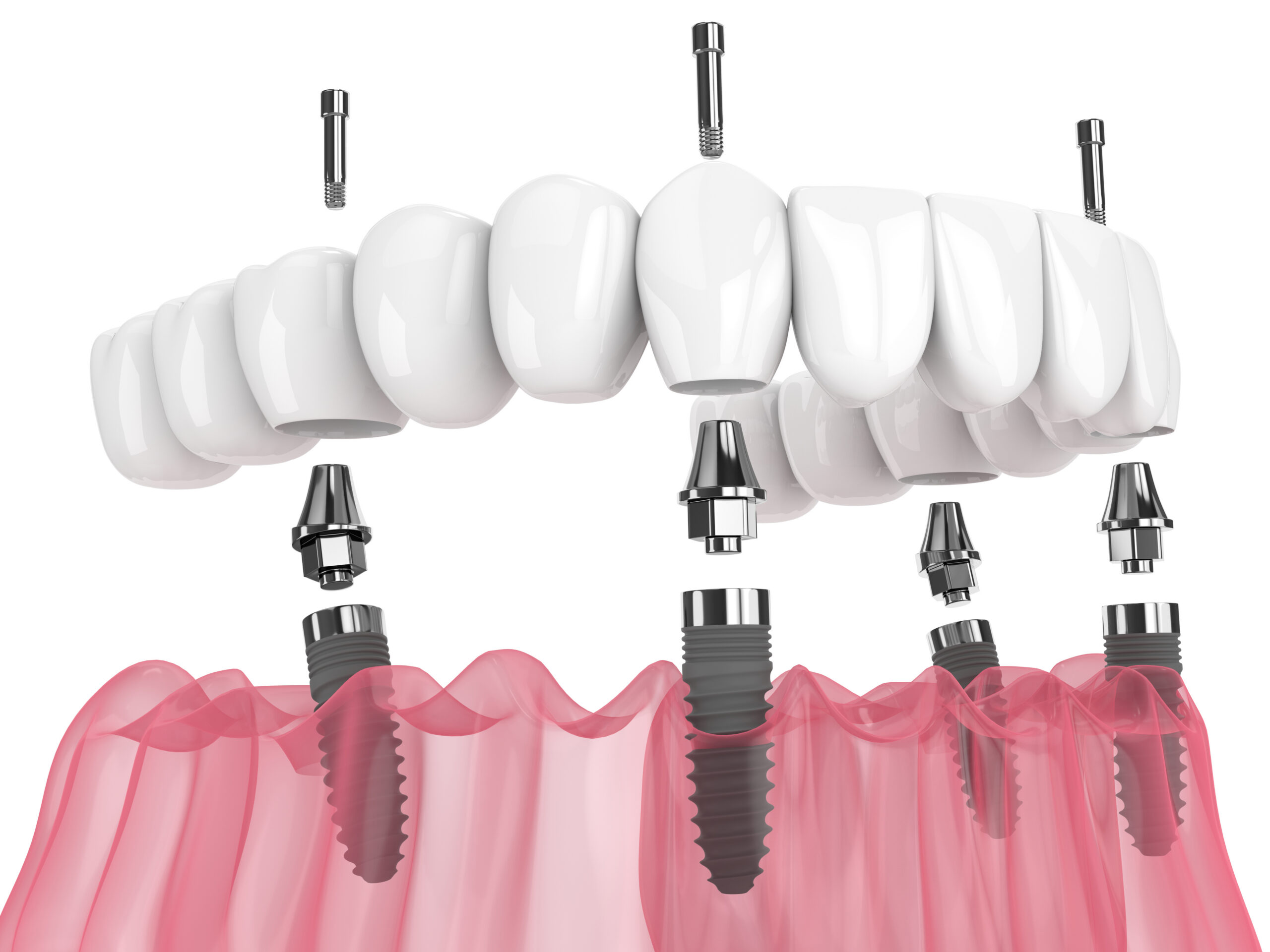
Recovering from an all-on-4 procedure is far more manageable than many patients expect, and knowing what to do in the days and weeks ahead makes all the difference. The surgery places four implants to support a full arch of teeth, but the long-term success of that work depends on how well the healing phase is respected. From pain management to dietary choices, what happens after placement matters just as much as the procedure itself.
At Atlas Dental Specialists, Drs. Nicholas and Mara Mangini guide patients through every step of all-on-4 treatment from day one. As prosthodontists with roots in Pittsburgh going back over 35 years, they provide full-service dental implant care entirely in-house, meaning you never need to be referred elsewhere for any stage of treatment.
The First 48 hours After Placement
The first two days after your procedure set the tone for the entire recovery, and following post-operative instructions during this window can minimize discomfort and support smooth healing. Dr. Nicholas Mangini outlines the core steps: take prescribed medication before the numbness fully wears off, apply ice in 20-minute intervals for the first 24 hours, keep your head elevated with extra pillows for a few nights, avoid strenuous activity, and hold off on vigorous rinsing. Gentle prescribed rinses begin shortly after.
It is also helpful to know what to expect physically. Patients commonly experience swelling, mild bleeding in the first 24 hours, bruising, temporary speech changes, and some tightness or pressure. These are all normal and tend to ease with rest. “Serious complications are uncommon when treatment is properly planned,” says Dr. Mangini. “We monitor closely and provide detailed post-operative instructions to make sure patients feel confident and cared for.”
What to Eat During Recovery
One of the most important aspects of recovery is protecting the implants while they fuse with the jawbone, a process that takes a few months. What you eat directly influences whether that process goes smoothly, which is why dietary restrictions are taken seriously throughout healing. Skipping ahead too quickly on food textures is one of the most common mistakes patients make.
Recovery nutrition follows a phased approach:
- Phase 1 (first one to two weeks): Liquids and very soft foods such as soups, yogurt, smoothies, and scrambled eggs.
- Phase 2 (up to three to four months): Soft, non-chewy foods. Hard, crunchy, and sticky items should be avoided.
- After final restoration: A gradual return to a normal diet, though Dr. Mangini advises permanently avoiding extremely hard foods like chewing ice.
“The temporary phase is critical,” says Dr. Mangini. “Respecting it ensures long-term success.” Research on long-term implant outcomes confirms that patient compliance during the healing period is a key factor in lasting implant success.
Caring for Your Prosthesis
Oral hygiene looks a little different with an all-on-4 prosthesis, and the routine shifts depending on which stage of recovery you are in. During the healing phase, gentle brushing with a soft brush, antimicrobial rinses as directed, and a water flosser on a low setting once approved form the foundation of daily care. After your final restoration is placed, daily brushing, water flossing around the implants, and regular professional maintenance visits become the long-term standard.
“Proper hygiene is non-negotiable,” Dr. Mangini says. “Even though implants don’t decay, the surrounding tissue must remain healthy.” This principle applies to all implant-based restorations, whether you are maintaining an all-on-4 prosthesis or exploring other advanced tooth replacement options. Consistent care at home is what protects the investment for years to come.
Warning Signs to Watch for
Most patients heal without any significant issues, but knowing the difference between normal discomfort and something that warrants attention helps remove the guesswork. Mild swelling, minor oozing, and temporary soreness are all expected and should ease gradually over the first few days with rest and proper care.
Contact the office right away if you notice excessive bleeding that does not slow, severe or worsening pain after a few days, fever, sudden movement of the prosthesis, or signs of infection such as significant swelling, pus, or a foul taste. “If a patient is unsure, I always prefer they call,” says Dr. Mangini. “Early evaluation prevents small issues from becoming larger ones.”
Recover With Confidence at Atlas Dental Specialists
All-on-4 recovery is a straightforward process when patients have clear guidance and a dedicated team available throughout. At Atlas Dental Specialists, Drs. Nicholas and Mara Mangini are trained prosthodontists who manage both the surgical and restorative phases of all-on-4 care entirely in-house. Our comprehensive dental implant guide and hands-on post-operative support are part of every patient’s experience from the first visit onward.
Whether you have questions about recovery or are ready to explore your tooth replacement options, we are here to help. Our Pittsburgh practice accepts MetLife, Cigna, Principal, Ameritas, and UnitedHealthcare, and flexible payment options are also available. Contact us to schedule a consultation.