7 Signs You May Need a Full-Mouth Reconstruction

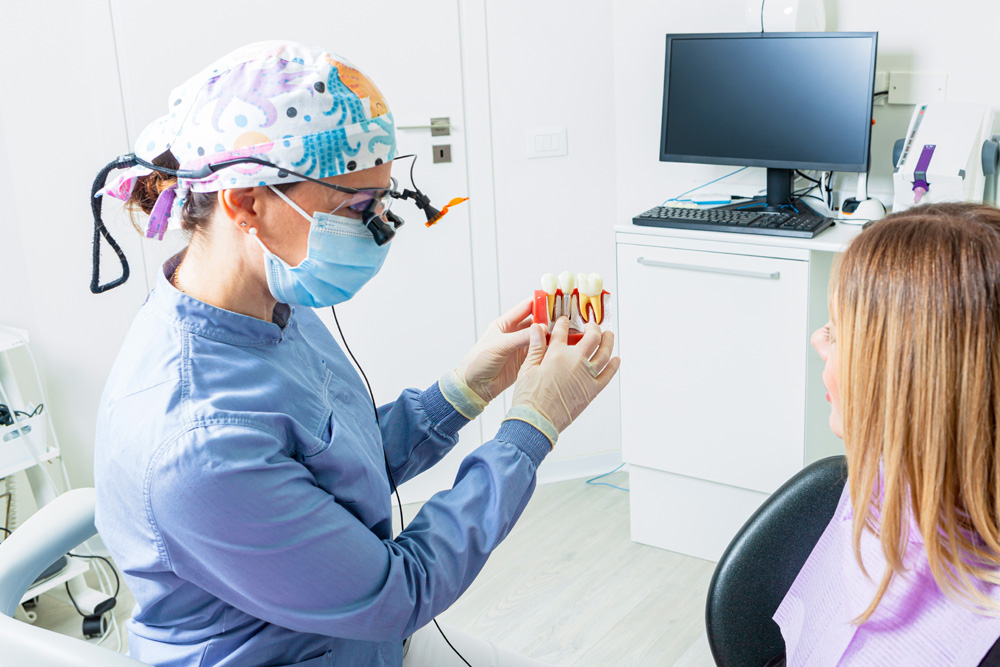
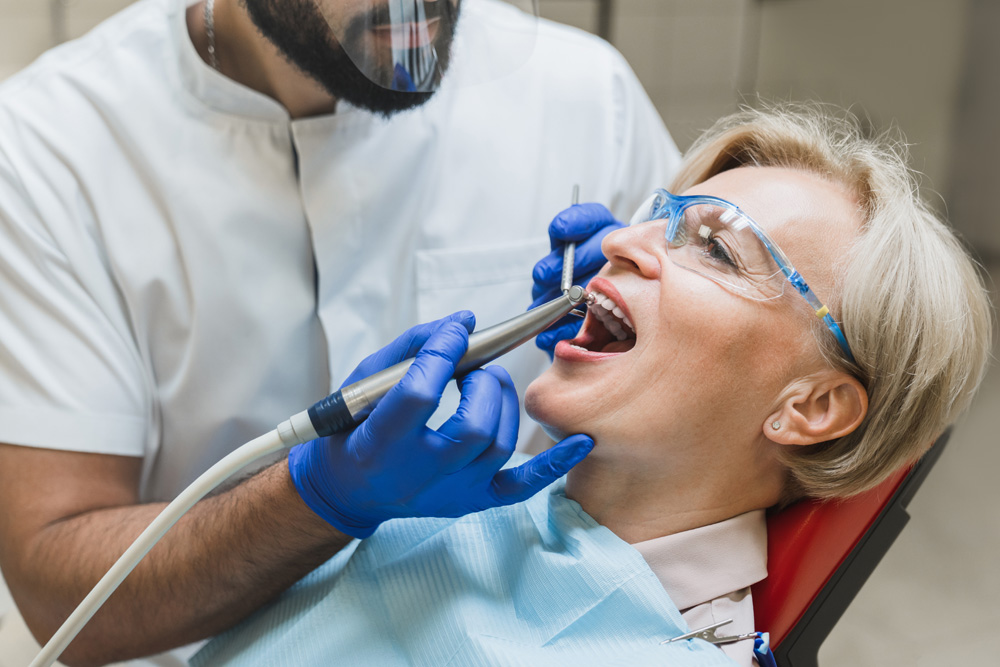
Dental, healthcare or mirror with a dentist and patient consulting in an oral hygiene appointment. Teeth, cleaning and mature woman client at the orthodontist for a medical checkup to prevent decay.

Living with multiple dental problems can significantly impact your quality of life, affecting everything from how you eat and speak to how confidently you smile. When several teeth are damaged, missing, or causing pain, a comprehensive approach may be necessary to restore function and appearance. Full-mouth reconstruction offers a solution for those with complex dental issues, but how do you know if this treatment is right for you?

At Atlas Dental Specialists, our prosthodontists, Dr. Nicholas and Dr. Mara Mangini, provide comprehensive full-mouth reconstruction services using the latest technology, including CAD/CAM systems, 3D printing, and in-house fabrication. Our experienced team offers virtually any dental service without the need for referrals, enabling us to tailor a comprehensive solution to address your unique dental challenges.

How to Know If You Need Full-Mouth Reconstruction

Full-mouth reconstruction involves rebuilding or simultaneously restoring all teeth in both the upper and lower jaws. Unlike cosmetic procedures that primarily focus on appearance, full-mouth reconstruction addresses both functional and aesthetic issues using a combination of procedures, such as dental implants, crowns, bridges, veneers, gum disease treatment, and bone grafting. We customize your reconstruction to address your unique needs.

If you aren’t sure when it’s time to consider a comprehensive approach to their dental problems, the following signs often indicate that full-mouth reconstruction may be appropriate for your situation:

Extensive Tooth Loss

If you’re missing multiple teeth in different areas of your mouth—an issue that affects an estimated 120 million people in the U.S.—individual treatments may not be sufficient. Missing teeth can cause remaining teeth to shift, creating bite problems and changing your facial appearance. A full-mouth approach can address these issues at once rather than with piecemeal solutions that don’t address the root cause of your tooth loss.

Severe Tooth Wear or Erosion

Years of grinding, clenching, or acid erosion can significantly wear down teeth. When tooth enamel is extensively damaged across many teeth, you may notice increased sensitivity, shorter teeth, or a collapsed bite. These conditions often require multiple restorations to rebuild proper tooth structure and function.

Chronic Pain in Jaw Joints and Muscles

Persistent pain in your temporomandibular joints (TMJ), frequent headaches, or facial soreness may indicate bite problems affecting multiple teeth. Full-mouth reconstruction can correct these bite issues, potentially alleviating chronic pain and muscle tension.

Difficulty Eating or Speaking

When dental problems make it challenging to chew properly or articulate clearly, your nutrition and confidence may suffer. If you find yourself avoiding certain foods or feeling self-conscious when speaking, these functional limitations often signal the need for comprehensive dental work.

Combination of Multiple Dental Issues

Having a mix of different dental problems, such as some missing teeth, several cracked or broken teeth, old failing fillings, and gum disease, typically requires a coordinated treatment approach. When issues are widespread throughout your mouth, addressing them all within a unified plan leads to better outcomes.

Deteriorating Previous Dental Work

If you have numerous older crowns, bridges, or fillings that are failing or showing signs of wear and decay, replacing them individually may not be ideal. A full-mouth reconstruction can update all restorations with newer materials and techniques, ensuring better long-term function and appearance.

Significant Changes to Face Shape

Advanced tooth loss or severe wear can cause changes to your facial appearance, including a sunken look around the mouth, deepened wrinkles, or a shortened distance between nose and chin. These changes often indicate substantial vertical dimension loss that requires comprehensive rebuilding of your dental structures.

Restore Your Smile With a Full-Mouth Reconstruction at Atlas Dental Specialists

If you’re experiencing multiple dental problems that affect your daily life, don’t wait to seek help. Full-mouth reconstruction can seem intimidating, but with the right dental team, it can be a life-changing solution that restores comfort, function, and confidence. At Atlas Dental Specialists, our family-owned practice has served Pittsburgh for over 25 years, providing specialty dental services tailored to each patient’s unique needs.

We participate with many insurance companies, including MetLife, Cigna, Principal, Ameritas, and UnitedHealthcare, and offer flexible financial options and a membership club. This makes our exceptional services as accessible as possible. Contact us at our downtown Pittsburgh office at (412) 281-9411 or our Shadyside location at (412) 730-2560, or visit our contact form to schedule your consultation and learn if we participate with your specific insurance plan.


CEREC Same-Day Crowns: Perfect for Busy Older Adults Wanting Their Dream Smile Now

Preparated molar tooth for dental crown placement. Medically accurate 3D illustration

Time is precious, especially for adults juggling work, family, and personal commitments. When a damaged tooth needs repair, the traditional two-visit crown process can feel unnecessarily disruptive. Fortunately, CEREC same-day crown technology eliminates this inconvenience by providing high-quality, permanent dental restorations in a single appointment, allowing you to address your dental needs efficiently without compromising quality or aesthetics.

At Atlas Dental Specialists, we provide virtually any dental service without the need for referrals, including CEREC same-day crowns. Our high-tech approach means we make the vast majority of our crowns in-office rather than sending them to a lab, and they’re almost always completed on the same day. This is particularly beneficial for our patients aged 50 to 70 who value both their time and their oral health. If you want your dream smile now, discover the power of same-day crowns with our experienced, trusted professionals.

What Are CEREC Same-Day Crowns?

Whether you’re one of the large majority of older adults with tooth decay or just want to smile refresh, CEREC (Chairside Economical Restoration of Esthetic Ceramics) technology allows us to create custom dental crowns in a single appointment. Using advanced 3D imaging, computer-aided design, and an in-office milling machine, we can design, fabricate, and place a permanent crown in just one visit.

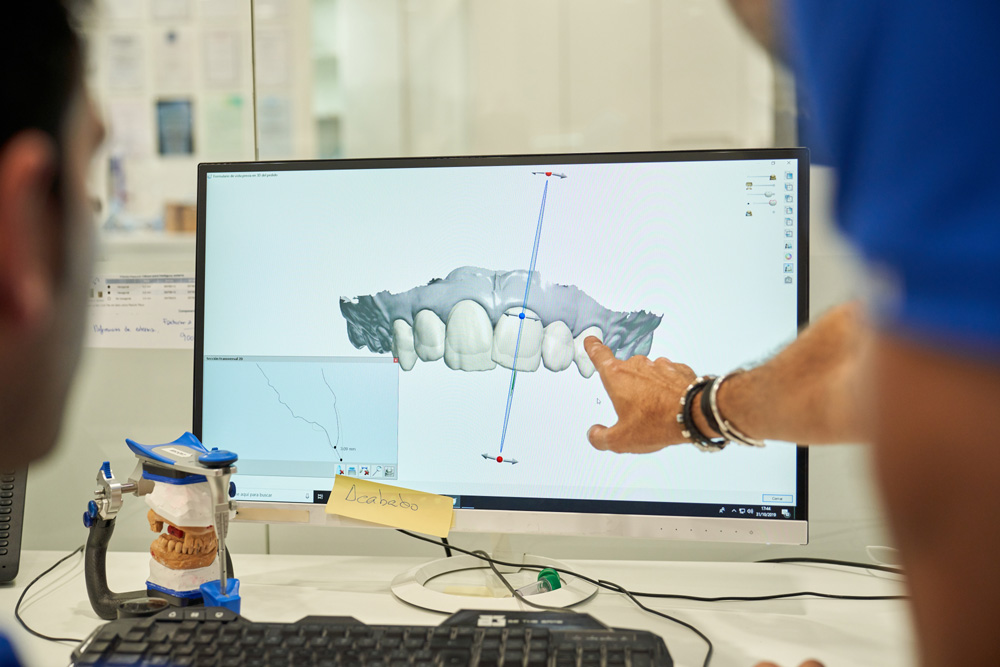
The process begins with digital impressions of your tooth, meaning no more uncomfortable, messy impression material. These precise digital images are then used to design your crown on a computer screen, allowing you to see what your restoration will look like before it’s even created. Once the design is finalized, our in-office milling machine carves your crown from a solid ceramic block that matches your natural tooth color for a seamless look.

Why Older Adults Prefer CEREC Same-Day Crowns

CEREC same-day crowns offer several advantages that make them particularly appealing to busy adults in their 50s, 60s, and 70s, including the following:

  • Save time: Time efficiency with only one appointment needed instead of multiple visits
  • No need for unstable temporary crowns: No temporary crowns that can break or come loose
  • Improved precision: Digital precision that ensures an excellent fit and comfort
  • Natural look: Natural-looking results that blend seamlessly with existing teeth
  • Long-lasting results: Durable ceramic material that can last for many years with proper care

Unlike traditional crowns that require two or more appointments spaced weeks apart, CEREC technology respects your busy schedule. Whether you’re still working, enjoying retirement, caring for grandchildren, or traveling, you don’t need to arrange your life around multiple dental visits.

The CEREC Same-Day Crown Experience

When you visit our office for a CEREC crown, you can expect a comfortable, efficient experience. Our caring team starts by preparing your tooth and removing any damaged or decayed areas. Next, we take digital impressions using our intraoral scanner—a small, handheld device that captures detailed 3D images of your tooth without any goopy impression materials.

While you relax, we design your crown using specialized software that ensures the restoration will fit perfectly and function naturally with your bite. Once the design is complete, our milling machine creates your crown from high-quality ceramic material selected to match your tooth color.

After the crown is milled, we may make minor adjustments and glaze the restoration to give it a natural luster. Finally, we bond the crown securely to your tooth, check your bite, and make any necessary refinements. The entire process typically takes about 90 minutes to two hours, depending on the complexity of your case.

Ready for Your Same-Day Crown? Contact Atlas Dental Specialists Today

If you’re a busy adult looking to restore damaged teeth without the hassle of multiple appointments, CEREC same-day crowns may be the perfect solution. At Atlas Dental Specialists, we use our 25+ years of experience to tailor our approach to your specific needs and circumstances, giving you the highest quality care in the most efficient manner possible.

Our family-owned practice provides a warm, friendly environment combined with cutting-edge technology and expertise, whether you need a single crown or more complex dental work. We partner with numerous insurance companies, including MetLife, Cigna, Principal, Ameritas, and UnitedHealthcare. Contact us today at (412) 281-9411 for our downtown Pittsburgh office or (412) 730-2560 for our Shadyside location, or visit our contact form to schedule your consultation, learn more about our flexible financial options, and see if we participate with your specific plan.

Are You Too Old For Dental Implants? Our Doctors Discuss Tooth Replacement After 50

Many people wonder if there’s an age cutoff for dental implants. If you’re in your 60s, 70s, or beyond, you might be concerned that you’ve missed your opportunity for this life-changing tooth replacement option. The truth is, age alone is rarely a barrier to successful implant treatment. We recently sat down with Dr. Nicholas Mangini of Atlas Dental Specialists to discuss this common concern and get his professional insights on dental implants for older adults.

Dr. Mangini shared his experience working with patients of all ages who have successfully received dental implants, addressing the specific concerns and considerations that matter most to seniors looking to improve their dental health and quality of life.

The Truth About Age and Dental Implants

When asked about age limits for dental implant candidacy, Dr. Mangini was clear: “There is no upper age limit for dental implants. We routinely place implants in patients in their 60s, 70s, 80s—even 90s. What matters more is your overall health, not your birth year.”

This reassurance comes as welcome news to many seniors who may have been told they’re “too old” for implants by other practitioners using outdated information. The field of implant dentistry has advanced significantly in recent years, making implants a viable option for a much broader range of patients.

At Atlas Dental Specialists, we evaluate each patient individually, focusing on their overall health and specific dental needs rather than using arbitrary age restrictions. This patient-centered approach allows us to help more people enjoy the benefits of dental implants.

Implants vs. Dentures for Seniors: A Comparison

How do implants stack up against other options for older adults? Dr. Mangini explains, “Implants are the most stable, low-maintenance, and best long-term option. Unlike dentures, which may need frequent relines or replacements, implants can last decades. They’re especially valuable in maintaining nutrition, speech, and quality of life as you age.”

Traditional dentures rest on the gums and can slip or move during eating and speaking, causing discomfort and embarrassment. They may also lead to progressive bone loss in the jaw. In contrast, dental implants function more like natural teeth, preserving bone structure and allowing you to eat, speak, and smile with confidence.

At Atlas Dental Specialists, we provide a variety of financing options and a membership club to patients looking to invest in their oral health. This makes dental implants more accessible to patients on fixed incomes. We understand that cost is an important consideration, especially for retirees, and we work with our patients to find solutions that fit their budget while providing the best possible care.

Health Considerations for Older Implant Patients

According to Dr. Mangini, when evaluating older patients for dental implants, “We look at medical conditions like diabetes or osteoporosis (if well-controlled, they’re rarely disqualifiers), medications that affect healing, bone quantity, smoking status, and your goals and expectations.”

He emphasizes that “A thorough consultation ensures safety and success.” This personalized approach helps us determine the best treatment plan for each individual patient, regardless of age.

Many of our older patients are surprised to learn that common health conditions don’t automatically disqualify them from implant treatment. Modern implant techniques, combined with careful medical management, allow us to safely treat patients with a wide range of health concerns. During your consultation, we’ll work closely with you and, if necessary, consult with your primary care physician to ensure that your implant treatment is both safe and successful.

Addressing Bone Loss in Mature Patients

One common concern among older patients is whether they have enough bone to support implants. On this topic, Dr. Mangini shares, “Bone loss is common with age, but we can use bone grafting, shorter or angled implants, and digital planning to work around it. New techniques allow us to help many patients who were once told they ‘don’t have enough bone.'”

Advances in technology, such as 3D imaging and computer-guided implant placement, allow us to maximize the use of available bone and place implants with incredible precision. For patients who do require bone grafting, we offer various options to rebuild the foundation needed for successful implants.

This advanced approach means that many patients who were previously denied implants may now be eligible for this life-changing treatment. Even if you’ve been told in the past that you weren’t a candidate for implants due to bone loss, it’s worth consulting with our team to explore the new possibilities available with today’s technology.

What Matters Most to Our Older Patients

Dr. Mangini has observed clear patterns in what seniors prioritize: “Older patients tend to focus on function, comfort, and reliability. They often want to eat well, avoid the hassle of removable appliances, and feel confident again. They’re not as focused on aesthetics alone, but the smile improvements are a welcome bonus!”

Many of our older patients tell us that their implants have transformed not just their smile, but their entire quality of life. They’re able to enjoy favorite foods again, speak clearly without worrying about dentures slipping, and smile with confidence in social situations. The psychological benefits of this renewed confidence cannot be overstated.

Dental implants also help maintain facial structure and prevent the “sunken” appearance that often occurs with tooth loss and long-term denture use. While aesthetics might not be the primary concern for many seniors, this preservation of facial structure is an important benefit that contributes to both appearance and overall quality of life.

Frequently Asked Questions About Dental Implants After 50

Is there an age limit for dental implants?

There is no upper age limit for dental implants. Patients in their 60s, 70s, 80s, and even 90s routinely receive implants successfully. What matters most is a patient’s overall health rather than their age, which is why a thorough consultation is the best way to determine candidacy.

How do dental implants compare to dentures for older adults?

Implants are generally more stable and lower-maintenance than dentures, which can slip or require relines over time. Because implants integrate with the jawbone, they also help preserve bone structure in a way dentures do not, supporting nutrition, speech, and quality of life over the long term.

What health conditions are considered before placing implants in an older patient?

Conditions such as diabetes or osteoporosis are evaluated, but when well-controlled they rarely rule out implant treatment. Other factors reviewed include medications that affect healing, bone quantity, smoking status, and the patient’s overall goals for treatment.

Can I still get implants if I have bone loss?

Bone loss is common with age but does not automatically rule out implants. Techniques such as bone grafting, shorter or angled implants, and digital treatment planning allow many patients who were previously told they lacked sufficient bone to still be candidates.

What financing options are available for seniors considering implants?

Atlas Dental Specialists offers a variety of financing options and a membership club designed to make dental implants more accessible for patients on fixed incomes. Your specific options can be discussed in detail during a consultation.

Schedule Your Dental Implant Consultation

Named after the mighty Atlas statues that hold up the roof outside our windows, our family-owned practice has served downtown Pittsburgh for over 25 years. Spearheaded by Drs. Nicholas and Mara Mangini, we provide specialty dental services tailored to your unique needs and goals.

To discuss your options for dental implants, please fill out our contact form today to schedule your consultation. We welcome patients of all ages and look forward to showing you how dental implants can enhance your quality of life.

The Holistic Benefits of Dental Implants for Patients Over 50

Missing teeth can significantly impact your quality of life, especially as you enter your 50s and beyond. While traditional solutions like dentures have long been available, dental implants offer superior benefits extending beyond aesthetics. As prosthodontists, we’ve witnessed firsthand how dental implants transform the lives of our patients over 50.

At Atlas Dental Specialists, we provide far more than general and cosmetic dentistry. Our family-owned practice has served downtown Pittsburgh for over 25 years, offering specialized prosthodontic care with a focus on long-term outcomes. If you’ve been weighing your options for tooth replacement after 50, understanding the full scope of implant benefits can help you make a more confident decision.

Why Dental Implants Are Particularly Beneficial After 50

The aging process naturally affects oral health in many ways. Bone density decreases, gum recession may occur, and existing dental work might require replacement. For patients over 50, dental implants address these concerns more effectively than other tooth replacement options.

Implants function as artificial tooth roots, providing stimulation to the jawbone that prevents bone loss—a process called resorption. When a natural tooth root is lost, the surrounding bone gradually shrinks because it no longer receives the pressure signals it needs to maintain density. Dentures rest on top of the gums and do nothing to prevent this. Implants integrate directly with the bone through osseointegration, preserving jaw structure over the long term.

For patients in their 50s, 60s, and beyond, this distinction is especially meaningful. Bone loss accelerates after tooth extraction, and the sooner it is addressed, the more bone volume you retain. That preserved volume protects the shape of your face and keeps your remaining teeth properly aligned.

The Physical Health Benefits Beyond Just Your Smile

Dental implants offer numerous physical health advantages that become increasingly important as we age:

  • Improved nutrition through better chewing ability, allowing you to maintain a varied diet rich in essential nutrients
  • Prevention of facial structure changes that often occur with tooth loss and bone resorption
  • Reduced risk of gum disease, which has been linked to serious health conditions including heart disease and diabetes
  • Elimination of the sore spots and discomfort often associated with removable dentures
  • Preservation of adjacent teeth, as implants don’t require modification of neighboring healthy healthy teeth the way bridges do

The nutritional dimension deserves special emphasis. Many people with poorly fitting dentures or missing teeth unconsciously shift toward softer, more processed foods over time—foods that are lower in fiber, protein, and micronutrients. Dental implants restore enough bite strength to eat fibrous vegetables, lean proteins, and whole grains without difficulty. That dietary shift can have meaningful downstream effects on energy levels, weight management, and long-term health.

Oral Health and Systemic Health: The Connection That Matters After 50

The relationship between oral health and overall physical health is better understood today than at any prior point in dental history. Chronic gum disease has been associated with increased risk of cardiovascular disease, cognitive decline, and complications in managing conditions like diabetes. For patients over 50 who may already be managing one or more systemic health concerns, keeping the mouth healthy is not merely a cosmetic priority—it’s a medical one.

Dental implants support systemic health in two key ways. First, they are far easier to clean around than traditional bridges or partial dentures, reducing the bacterial load that contributes to periodontal disease. Second, by anchoring the gumline and preventing bone loss, they help maintain the structural integrity that keeps remaining teeth stable and easier to care for. A healthier mouth is one fewer variable contributing to systemic inflammation—something that matters more with every passing decade.

Psychological and Social Benefits

The impact of dental implants extends far beyond the physical. Many of our patients over 50 report significant improvements in their quality of life, including increased self-confidence in social situations without worrying about dentures shifting or slipping during conversations or meals. This renewed confidence often leads to greater social engagement, which is linked to better mental health outcomes in older adults.

Implants also eliminate many of the daily frustrations associated with removable prosthetics: the need for adhesives, the discomfort of a loose fit, the dietary restrictions, and the self-consciousness that comes with knowing your teeth aren’t entirely secure. Patients often describe the psychological shift after implant treatment as feeling like themselves again—not just looking better.

Financial Considerations for Long-Term Value

While the initial investment for dental implants is higher than for dentures or bridges, patients over 50 should evaluate the long-term picture. With proper care, dental implants can last a lifetime. Dentures and bridges typically require replacement every 5 to 10 years, and those costs accumulate over decades. There are also less visible costs to consider: dental adhesives, professional denture adjustments, and the treatment of complications caused by ongoing bone loss.

When you factor in durability, the prevention of bone loss that avoids future procedures, and the protection of adjacent teeth, implants often represent the most cost-effective solution over a 20-year or longer horizon. Our team can help you understand the full cost breakdown during your consultation and explore insurance coverage as well as financing options that fit your situation.

Specialized Care for Optimal Results

As prosthodontists, we focus on complex cases involving tooth replacement and restoration. Our specialized training and experience allow us to provide dental implant solutions customized to the unique needs of patients over 50. Prosthodontists complete three additional years of specialty training beyond dental school with a specific focus on replacing and restoring teeth in complex situations—including those involving bone loss, multiple missing teeth, and existing restorative work.

At Atlas Dental Specialists, we use advanced CAD/CAM technology and 3D printing to create precise, custom restorations. Our in-house capability means we can complete most crowns in a single day, eliminating long wait times between appointments. For patients considering full-arch implant solutions after 50, our 3D imaging and planning technology is particularly valuable in ensuring accurate placement and long-term outcomes.

Finding the Right Solution for You

Whether you need a single tooth replacement or full-mouth reconstruction, our team can tailor a dental implant solution to your specific situation. We participate with many insurance companies, including MetLife, Cigna, Principal, Ameritas, and United Healthcare, and offer a variety of financing options to make treatment accessible.

The benefits of dental implants for patients over 50 extend far beyond a restored smile. They contribute to improved physical health, preserved facial structure, and a quality of life that feels sustainable for the decades ahead. We’d be glad to walk you through what’s possible during a consultation at either of our Pittsburgh locations.

Frequently Asked Questions About Dental Implant Benefits After 50

Why are dental implants especially beneficial for patients over 50?

Implants function as artificial tooth roots that stimulate the jawbone and prevent the bone loss (resorption) that occurs after tooth loss, something dentures cannot do since they simply rest on the gums.

What physical health benefits do implants provide beyond a restored smile?

Implants support better nutrition by restoring chewing ability, help prevent facial structure changes from bone loss, reduce gum disease risk since they’re easier to clean around than bridges, and preserve the health of adjacent natural teeth.

Is there a connection between oral health and overall health after 50?

Yes. Chronic gum disease has been associated with increased risk of cardiovascular disease, cognitive decline, and complications managing conditions like diabetes, making a healthy mouth an important part of overall health at this stage of life.

Are dental implants a good long-term financial investment compared to dentures or bridges?

With proper care, implants can last a lifetime, while dentures and bridges typically need replacement every 5 to 10 years. Factoring in those recurring costs and the procedures avoided by preventing bone loss, implants often prove more cost-effective over a 20-year or longer horizon.

What makes prosthodontists particularly qualified to place implants for patients over 50?

Prosthodontists complete three additional years of specialty training beyond dental school focused specifically on complex tooth replacement and restoration, including cases involving bone loss, multiple missing teeth, and existing restorative work.

When is the Best Time to Make the Switch from Dentures to Implants?

The transition from conventional dentures to dental implants represents a significant decision for many denture wearers. Living with uncomfortable, ill-fitting dentures that slip during conversations or limit your food choices can significantly impact your quality of life. When adhesives no longer work effectively and you find yourself avoiding social situations due to denture-related concerns, it may be time to consider a more permanent solution.

At Atlas Dental Specialists, we offer comprehensive evaluations to determine if dental implants might be right for you. Our team of specialists, led by Dr. Nicholas Mangini, provides personalized care using state-of-the-art technology to create lasting solutions for our patients. With locations in downtown Pittsburgh and Shadyside, we’re equipped to handle even the most complex cases, ensuring you receive the highest standard of care throughout your treatment journey.

Signs Your Dentures Are No Longer Serving You Well

According to Dr. Nicholas Mangini, certain symptoms clearly indicate when dentures are no longer providing adequate function or comfort. “The best time to consider switching is when your dentures are no longer comfortable, secure, or functioning the way you need them to,” explains Dr. Mangini. Recognizing these warning signs early can help you make timely decisions about your oral health.

Common indicators that it might be time to consider implants include:

  • Persistent sore spots or irritation on your gums where dentures rest
  • Loose-fitting dentures that move when speaking or eating
  • Difficulty chewing or having to limit your diet to soft foods
  • Jawbone shrinkage causing a sunken facial appearance
  • Reduced confidence in social settings due to denture concerns

“Many patients tell us they wish they had made the switch years earlier,” notes Dr. Mangini. If you’re experiencing any of these issues, it may be time to schedule a consultation to discuss your options.

Evaluating Candidacy for Dental Implants

Even if you’ve worn dentures for many years, you may still be an excellent candidate for dental implants. The evaluation process is thorough but straightforward.

“We evaluate your overall health, oral health, and jawbone anatomy,” Dr. Mangini explains. “We use 3D imaging to assess the amount and quality of bone available.” This comprehensive assessment helps determine the most appropriate implant solution for your specific situation.

Addressing Bone Loss Concerns

One common concern among long-term denture wearers is whether they have sufficient jawbone to support implants. Dr. Mangini reassures patients that bone loss doesn’t automatically disqualify them from getting implants.

“Bone loss is common in long-time denture wearers, but it doesn’t disqualify you,” he states. “We offer several different types of bone grafting to help provide an adequate area for dental implants.” These advanced techniques can rebuild and work with your existing bone structure to support successful implant placement.

Benefits of Making the Switch to Dental Implants

The advantages of transitioning from dentures to implants extend far beyond aesthetics. Dental implants offer substantial improvements in both function and quality of life.

Dr. Mangini highlights several key benefits:

  • Stability: Implants eliminate slipping and the need for messy adhesives
  • Comfort: The implant-supported restoration feels more like natural teeth
  • Functionality: You can enjoy a wider variety of foods, including those that were difficult with dentures
  • Bone preservation: Implants stimulate the jawbone, preventing further deterioration
  • Confidence: You’ll no longer worry about your teeth shifting while speaking or smiling

A sentence or two after the bullet points to ensure the section doesn’t end on a list. These benefits collectively contribute to an improved quality of life and often leave patients wondering why they didn’t make the switch sooner.

Modern Advances Making the Transition Easier

Technological innovations in implant dentistry have revolutionized the experience for former denture wearers. Today’s procedures are more precise, comfortable, and efficient than ever before.

Dr. Mangini points to several significant advances: “Today, we use 3D digital scanning and treatment planning paired with guided surgery for precision and faster healing.” This technology allows for highly accurate implant placement with minimal discomfort.

For patients seeking immediate results, there are options that minimize the transition period. “Immediate-load implants, like All-on-4, allow you to leave with fixed teeth the same day,” explains Dr. Mangini. Additionally, “custom-milled prosthetics provide natural-looking, long-lasting results.” These innovations have transformed the implant experience, making it more accessible and comfortable for patients transitioning from dentures.

Take the Next Step Toward a Better Quality of Life

Living with ill-fitting dentures doesn’t have to be your reality. At Atlas Dental Specialists, we tailor our approach to your specific needs, whether you require bone grafting, All-on-4 implants, or another implant solution. Our team of specialists has extensive training in the latest implant techniques, ensuring you receive state-of-the-art care in a comfortable, patient-centered environment.

If you’re ready to explore dental implants as an alternative to dentures, we invite you to schedule a consultation at one of our convenient Pittsburgh locations. Our comprehensive evaluation will help determine the best treatment path for your unique situation. Contact us at (412) 281-9411 or through our contact form to take the first step toward a more confident smile.

Why General Dentists Refer Their Most Complex Cases To Atlas Dental Specialists

When it comes to complex dental issues, general dentists often recognize when a case requires more specialized care than they can provide. The choice to refer patients to specialists represents a commitment to ensuring optimal outcomes, particularly for procedures requiring advanced training and technology. These referrals reflect both professional integrity and dedication to patient well-being, creating a collaborative approach that benefits everyone involved.

In a recent interview, we sat down with Dr. Nicholas Mangini to discuss why general dentists across the region trust Atlas Dental Specialists with their most challenging cases. The answer comes down to three things: advanced training, the right technology, and a collaborative relationship that keeps referring dentists informed every step of the way.

The Advantage of Specialist Care for Complex Cases

Working with a prosthodontic specialist provides significant benefits for patients with complex dental needs. As Dr. Nicholas Mangini explains, “You get the benefit of working with a specialist with advanced training in dental implant therapy. We are prosthodontists with over a decade of experience providing highly specialized care for complex situations.”

This specialized knowledge translates directly to patient outcomes. Patients who arrive at Atlas Dental Specialists have typically been through general dental practices that identified a need for a higher level of expertise. Because prosthodontists focus exclusively on complex restorations and tooth replacement, they bring a depth of insight that general dentists are specifically trained to recognize and refer toward.

Advanced Training and Specialized Credentials

The distinction between general dentists and prosthodontists lies primarily in their educational background and specialized training. “As prosthodontists, we complete 3 extra years of specialty training after dental school, focused on complex restorations, full-mouth rehabilitation, and implant dentistry,” Dr. Nicholas Mangini points out.

This additional education provides prosthodontists with unique skills in planning and executing multi-phase treatments. Prosthodontics encompasses four recognized branches of care: fixed restorations, removable prosthetics, implant dentistry, and maxillofacial rehabilitation. Patients referred for full-mouth reconstruction or implant-supported tooth replacement benefit from this layered expertise, built on years of focused clinical training beyond the standard dental degree.

Types of Cases Commonly Referred to Specialists

General dentists typically refer specific types of complex cases to prosthodontists like those at Atlas Dental Specialists. These referrals generally involve situations requiring extensive reconstruction or specialized techniques beyond routine dental care.

The most common referrals include:

  • Patients with multiple missing teeth or failing crowns and bridges
  • Denture wearers seeking fixed implant options
  • Individuals with failed implants placed elsewhere
  • Full mouth reconstructions or severe bite issues
  • Aesthetic reconstructions after trauma or disease

These cases require not only technical skill but also comprehensive treatment planning that considers the entire oral system. Dr. Mangini states that procedures involving “complex implant cases, full-mouth reconstructions, and situations where patients need a coordinated plan across multiple specialties” are where prosthodontic training makes the most meaningful difference.

Communication and Collaboration Throughout Treatment

Maintaining clear communication between the specialist, referring dentist, and patient remains essential throughout treatment. This collaborative approach ensures continuity of care and comprehensive treatment planning that neither party could achieve working in isolation.

Dr. Mangini emphasizes the importance of this ongoing relationship: “We keep in close contact through shared treatment plans, regular updates via email or phone, collaborative software when available, and a final handoff summary so the general dentist is fully informed when care transitions back to them.”

For patients, this means they do not have to serve as the messenger between their providers. Atlas Dental Specialists takes responsibility for keeping the referring dentist current on progress, milestones, and any changes to the treatment plan, allowing patients to focus on their recovery rather than on coordination.

Success Stories: Transformative Outcomes for Complex Cases

The true value of specialized care becomes evident in the outcomes experienced by patients with complex dental needs. These cases illustrate how prosthodontic expertise can transform challenging situations into lasting resolutions.

Dr. Mangini shares some representative examples: “We’ve helped patients transition from decades of ill-fitting dentures to full implant bridges, rebuild smiles after failed implants placed elsewhere, and restore confidence for individuals who had avoided dental care for years because of anxiety or prior negative experiences.”

Each case is treated as a comprehensive rehabilitation plan rather than a single procedure. That whole-mouth perspective, supported by advanced imaging and digital planning tools, allows the Atlas Dental Specialists team to anticipate challenges and deliver predictable results.

Frequently Asked Questions About Specialist Dental Referrals

How does a general dentist decide when to refer a patient to a prosthodontist?

General dentists typically refer patients when a case involves multiple missing teeth, failed implants, severe bite problems, or the need for full-mouth reconstruction. If the treatment requires coordinating several procedures across multiple systems in the mouth, or if a patient needs implant-supported restorations that demand advanced planning, a prosthodontist’s additional training becomes directly relevant to achieving the best possible outcome.

What should patients expect when they are referred to Atlas Dental Specialists?

Patients referred to Atlas Dental Specialists begin with a comprehensive consultation that reviews their dental history, current concerns, and treatment goals. The team evaluates the full oral system rather than a single problem and develops a phased treatment plan that addresses both function and appearance. Patients can expect clear communication, coordination with their referring dentist, and a detailed explanation of each step before any procedure begins.

Does a referral to a specialist mean starting treatment over from scratch?

No. A referral builds on the foundation your general dentist has already established. Atlas Dental Specialists receives your records, X-rays, and treatment history from your referring dentist before your first appointment. The goal is to pick up where your general dentist left off, adding the focused expertise needed to address the more complex aspects of your care without redundant steps or unnecessary procedures.

Will my general dentist still be involved in my care after a referral?

Yes. The relationship between Atlas Dental Specialists and your referring dentist is collaborative throughout treatment. We provide regular progress updates, share treatment plans, and send a final handoff summary when specialist care is complete. Your general dentist remains your primary care provider for routine maintenance, and the two practices work in coordination to ensure seamless, continuous care.

What types of cases are typically too complex for a general dentist to handle alone?

Cases involving multiple missing teeth requiring implant-supported bridges, extensive bone loss affecting implant candidacy, full-mouth rehabilitation following trauma or disease, failed or poorly integrated implants placed at other practices, and complex bite reconstruction are among the most common referral scenarios. These situations benefit from the additional three years of prosthodontic specialty training that focuses specifically on these types of restorations.

Expert Care for Your Complex Dental Needs

If your general dentist has referred you to Atlas Dental Specialists, you can feel confident knowing you’re receiving care from prosthodontists with extensive training in complex restorative procedures. Our team understands the intricacies of comprehensive dental rehabilitation and works collaboratively with your referring dentist to develop a treatment plan tailored to your specific needs.

With state-of-the-art technology and focused prosthodontic training, we are prepared to address even the most challenging dental cases. Whether you are a patient who has received a referral or a dentist looking to discuss a referral, we welcome the opportunity to support your care. Contact Atlas Dental Specialists to schedule a consultation and learn more about our collaborative referral process.

Common Causes of Tooth Loss and How You Can Prevent It

Tooth loss affects millions of Americans, often stemming from preventable causes that progress over time rather than sudden events. The loss of permanent teeth can significantly impact both your oral function and overall quality of life, affecting your ability to speak clearly, eat comfortably, and smile with confidence. When teeth are lost, the consequences extend beyond aesthetics to include potential bone deterioration, shifting of remaining teeth, and changes to your facial structure.

At Atlas Dental Specialists, our cosmetic dentist is committed to helping patients preserve their natural teeth whenever possible and providing comprehensive solutions when tooth replacement becomes necessary. Our team of experienced prosthodontists and specialists can tailor treatment plans that address both the immediate concerns of tooth loss and long-term oral health needs. With locations in Downtown Pittsburgh and Shadyside, we offer advanced treatment options that can restore your smile’s function and appearance.

Cause 1: Poor Oral Hygiene

Plaque and bacteria buildup on teeth can lead to gum disease. If left untreated, this can result in gum recession, a frequent culprit in teeth becoming loose or even falling out.

To stop tooth loss due to poor oral habits:

  • Brush your teeth for at least two minutes twice daily
  • Floss daily to extract food debris and plaque from between your teeth
  • Rinse daily with an antimicrobial mouthwash to help prevent plaque accumulation

Maintaining good oral hygiene prevents tooth loss and helps you avoid other dental issues, such as bad breath and gum disease.

Cause 2: Tooth Decay and Cavities

Tooth decay, or cavities, occurs when bacteria in your mouth feed on sugars you eat and drink, producing acids that erode the enamel on your teeth. If left untreated, cavities can become large, require fillings and crowns, or even lead to tooth loss.

To stop tooth decay before it leads to tooth loss, try to:

  • Limit sugary foods and drinks
  • Drink water after meals to rinse away food particles
  • Visit your dentist regularly for cavity screenings and treatments

Cavities may be common, but they are preventable with the proper care.

Cause 3: Gum Disease

Gum disease is an infection of the tissues surrounding teeth. It’s often caused by poor oral hygiene, which leads to plaque buildup and inflammation of the gums. If not properly managed, gum disease can result in tooth loss over time. The early stage, gingivitis, is treatable, but if it progresses to periodontitis, it can lead to tooth loss.

Being proactive about your dental health is essential to preventing gum disease. Brush your teeth at least twice a day, floss regularly, and avoid smoking, which can increase your risk of developing gum disease. By maintaining these oral habits, you can prevent gum disease from damaging your smile.

Cause 4: Trauma and Accidents

Accidents happen, and sometimes, they result in tooth damage or even tooth loss. Whether it’s a sports injury, a fall, or a car accident, trauma to the teeth can cause them to fall out entirely. While you can’t always prevent accidents, wearing protective gear during sports or being mindful of your surroundings can minimize the risk.

If you experience a dental injury, it’s important to seek dental care as soon as possible. In some cases, a dentist may be able to save a tooth with immediate treatment. While accidents are sometimes unavoidable, you can take steps to reduce the likelihood of tooth loss due to trauma.

Cause 5: Aging and Natural Wear and Tear

Tooth loss is a common concern many people face as they age. According to the CDC, 13.2% of adults aged 65 and older experience complete tooth loss. As we age, our teeth naturally undergo wear and tear. Years of chewing, grinding, and general use can cause the teeth to weaken, crack, or wear down, making them more susceptible to decay or breakage.

To prevent tooth loss due to aging, keep these habits in mind:

  • Avoid grinding your teeth at night–ask your dentist for a night guard if necessary
  • Maintain regular dental check-ups to identify any early signs of wear
  • Maintain a balanced diet to support strong, healthy teeth

While aging is inevitable, it’s vital to maintain your teeth by visiting your dentist regularly and addressing any issues as soon as they arise. At Atlas Dental Specialists, our skilled dental team is here to help you learn habits to preserve your natural teeth and improve your oral health. Whether you’re dealing with a few missing teeth or simply looking to avoid future tooth loss, our team offers personalized treatments that can help restore your smile’s function and appearance.

Choose Atlas Dental for Tooth Loss Solutions

If you’re experiencing tooth loss or wish to avoid it in the future, dental implants could be a great option. At Atlas Dental Specialists, we offer same-day crowns and dental implants tailored to fit your needs.

If you’re ready to explore dental implants or discuss other tooth restoration options, scheduling a consultation is the first step. We can help you determine the best course of action based on your unique situation, and we’re here to guide you every step of the way. Contact us at (412) 281-9411 or complete our contact form to book your consultation today!

Why Choose Same-Day Dental Crowns? Speed and Convenience for Busy Schedules

Finding time for dental procedures can be challenging in today’s fast-paced world. Traditional dental crowns often require multiple visits, which can be a hassle for individuals with busy schedules. Fortunately, advancements in dental technology now offer same-day dental crowns, providing a quicker and more convenient solution.

At Atlas Dental Specialists, we understand the importance of efficient dental care without compromising quality. Our team is dedicated to offering state-of-the-art solutions, including same-day dental crowns, to meet our patients’ needs.

What Are Same-Day Dental Crowns?

Same-day dental crowns are restorations designed, fabricated, and placed in a single dental appointment. Dentists can use advanced CAD/CAM technology to create precise crowns on-site, eliminating the need for temporary crowns and multiple visits.

This approach streamlines the process, allowing patients to receive durable and natural-looking crowns without the typical waiting period associated with traditional methods.

What Does the Process of Receiving a Same-Day Crown Involve?

A same-day crown procedure begins with the dentist preparing the affected tooth by removing any decay or damage. A digital impression is then taken using an intraoral scanner, capturing detailed images without the discomfort of traditional impression materials.

These digital images are used to design the crown. Once fabricated, the crown is polished and bonded to the tooth, restoring its function and appearance—all within a single visit.

What Are the Advantages of Same-Day Crowns?

Same-day crowns provide a convenient and reliable option for restoring damaged teeth. Instead of waiting weeks for a crown, patients can receive a permanent restoration in just one visit. In addition to convenience, same-day crowns provide a range of advantages that improve both the function and appearance of your teeth, including:

  • Time-saving: The entire process is completed in a single visit, making it ideal for those with busy schedules.
  • Improved comfort: Because there’s no need for a temporary crown, patients avoid discomfort and the risk of it coming loose.
  • Precise fit: Digital impressions create a highly accurate mold, ensuring the crown fits naturally and securely.
  • Durability: Made from strong ceramic materials, same-day crowns are built to last and withstand daily use.

Same-day crowns provide a strong, natural-looking solution for damaged teeth while reducing time spent in the dental chair. With proper care, they can offer long-term durability and a seamless fit, making them a practical choice for many patients.

Who Can Benefit from Same-Day Crowns?

Same-day crowns suit individuals needing restoration due to decay, fractures, or worn-down teeth. They are also ideal for those seeking immediate results without the hassle of multiple dental visits.

However, not all cases may be appropriate for same-day crowns. Complex situations or specific dental conditions require traditional methods. Consult your dentist to discuss the best approach tailored to your needs.

How Much Do Same-Day Dental Crowns Cost?

The cost of same-day crowns can vary based on the tooth’s location and the materials used. While they may be slightly more expensive than traditional crowns, the convenience and reduced need for additional appointments can offset the difference.

Many dental insurance plans cover same-day crowns similarly to traditional ones. It’s advisable to consult with your insurer and dental office to understand your coverage and any out-of-pocket expenses.

How to Maintain Your Same-Day Crown

Regular brushing, flossing, and dental check-ups will help maintain both the crown and your overall oral health. A soft-bristled toothbrush and non-abrasive toothpaste are essential to avoid excessive wear on the ceramic surface. An antibacterial mouthwash can keep the area around the crown free from plaque buildup and bacteria.

If you clench your teeth at night, a custom night guard may provide extra protection. You should also be cautious when eating particularly sticky or hard foods, as these could put excess pressure on your restoration. With proper care and routine dental visits, your same-day crown can provide long-lasting strength and functionality for years to come.

Experience the Convenience of Same-Day Crowns at Atlas Dental Specialists

At Atlas Dental Specialists, we prioritize your dental health and convenience. Our commitment to utilizing advanced technology allows us to provide efficient and high-quality care. Your time is valuable, and so is your smile. Let Atlas Dental Specialists give you the care you need without disrupting your busy schedule.

If you’re considering a dental crown and wish to benefit from the speed and convenience of same-day service, we invite you to schedule a consultation with our experienced team. We participate with many insurance companies, including MetLife, Cigna, Principal, Ameritas, and United Healthcare. Please call to find out if we can participate in your specific plan. Contact us at (412) 281-9411 or complete our contact form to take the first step toward restoring your smile with ease.

Our Patient-First Philosophy: Why Long-Term Relationships Matter to Us

Going to the dentist is easier when you know and trust the people caring for you. Seeing the same team over the years means they understand your history, your concerns, and what makes you comfortable. You don’t have to start from scratch at every visit or explain past issues all over again. Long-term relationships lead to better care, a smoother experience, and a sense of familiarity that helps put you at ease.

At Atlas Dental Specialists, we value those connections. We take the time to listen, get to know each patient individually, and build the kind of trust that makes dental care feel less like a chore and more like a partnership in your health.

What Does a “Patient-First Philosophy” Mean to Us?

At Atlas Dental Specialists, putting patients first goes beyond providing top-notch care. We ensure every patient feels comfortable, heard, and confident in their treatment. Dr. Nicholas Mangini explains, “A patient-first philosophy means prioritizing the comfort, needs, and goals of our patients above all else.”

This approach starts with personalized care. Every patient has unique concerns, whether it’s anxiety about treatment, specific dental goals, or simply wanting clear answers before committing to a plan. Rather than applying a one-size-fits-all approach, our team, including prosthodontists specializing in full-mouth reconstruction and general restorative care, tailors every recommendation to what actually matters to you.

How Long-Term Relationships Help Us Tailor Our Care

Seeing the same dentist over time allows for more personalized care and a better overall experience. When a provider understands a patient’s dental history, preferences, and concerns, they can offer care that fits their specific needs. Dr. Nicholas Mangini explains, “Long-term relationships allow us to understand patients’ histories, preferences, and unique needs, enabling us to deliver consistent, proactive, and preventive care over time.”

In practice, this means fewer surprises. If you have had regular cleanings and checkups with us, we already know your risk factors for gum disease, your history with restorative work, and what has worked well for you in the past. That context lets us catch small issues early and recommend treatment that fits your life rather than a generic protocol.

Experience Personalized Dental Care at Atlas Dental Specialists

At Atlas Dental Specialists, we believe the best dental care starts with strong, long-term relationships. When you visit a team that knows your history, your concerns, and your goals, you can feel confident that your care is truly tailored to you. Our patient-first philosophy ensures that every visit is comfortable, communication is open, and treatment is designed with your needs in mind. Whether you’ve been with us for years or are considering us for the first time, our Pittsburgh-area team is ready to build that same lasting relationship with you.

Contact our Pittsburgh office today to schedule your visit and experience what patient-first dentistry actually feels like.

Frequently Asked Questions About Our Patient-First Approach

Will I see the same dentist at every visit?

Our team structures care so that patients build a consistent relationship with their provider whenever possible, which is central to how we approach long-term dental care.

What if I have dental anxiety?

A patient-first approach means we take the time to understand your specific concerns, including anxiety, and adjust how we communicate and pace treatment accordingly.

Do I need to repeat my dental history at every appointment?

No. One of the benefits of a long-term relationship with our practice is that we retain your history, preferences, and prior treatment details so you do not have to re-explain them each visit.

How does a patient-first philosophy affect treatment recommendations?

Recommendations are tailored to your specific goals and circumstances rather than applied as a one-size-fits-all protocol, taking into account your history, preferences, and what matters most to you.

Benefits of Choosing a Prosthodontist for Your Dental Care

When it comes to dental care, not all dentists have the same level of training and expertise. A prosthodontist is a dental specialist with advanced education in restoring and replacing teeth. Unlike general dentists, prosthodontists undergo an additional three years of training beyond dental school, focusing specifically on complex restorative procedures. Their expertise extends to dental implants, advanced dental prosthetics, including crowns, bridges, dentures, and full-mouth reconstruction, making them uniquely qualified to handle cases that general dentistry alone cannot fully address.

3 Benefits of Choosing a Prosthodontist for Your Dental Treatment

Three benefits of partnering with a dedicated prosthodontist for any and all of your dental needs include, but are not limited to, the following:

Expertise in Complex Dental Restorations

Prosthodontists are trained to handle some of the most challenging dental cases, including full-mouth reconstructions, severe tooth wear, and implant-supported restorations. Their ability to restore both function and aesthetics makes them particularly valuable for patients who have suffered trauma, severe decay, or congenital dental conditions. By utilizing advanced techniques and materials, prosthodontists ensure that each restoration fits seamlessly with the rest of your bite and facial structure.

Customized Treatment Plans for Long-Lasting Results

Every patient’s dental needs are unique, and prosthodontists take a highly personalized approach to treatment. Instead of offering a one-size-fits-all solution, they assess each case carefully, considering factors like bite alignment, jaw function, and facial aesthetics. This thorough evaluation allows them to create customized treatment plans that not only restore teeth but also enhance long-term oral health.

Prosthodontists also utilize specialized diagnostic tools, including 3D imaging, to plan treatment with a level of precision that general restorative dentistry does not typically require.

Enhanced Aesthetics and Functionality

A beautiful smile is about more than just appearance, it also plays a critical role in speech, chewing, and overall confidence. Prosthodontists are experts in designing dental restorations that blend seamlessly with a patient’s natural features while ensuring proper function. Whether you need veneers for a cosmetic enhancement or a full-mouth rehabilitation for better oral health, a prosthodontist can provide solutions that improve both the look and feel of your smile.

Why Choose a Prosthodontist Over a General Dentist for Restorative Work?

While general dentists can provide restorative treatments, prosthodontists have advanced training and experience in handling complex cases. Patients who require extensive dental work, such as dental implants, multiple crowns, bridges, or full-mouth rehabilitation, benefit from a prosthodontist’s specialized knowledge and technical precision. Their expertise ensures that restorations not only look natural but also provide optimal, lasting function.

Trust Atlas Dental Specialists for Expert Restorative Care

At Atlas Dental Specialists, we go beyond general dentistry to provide advanced restorative and cosmetic solutions tailored to your needs. Whether you’re dealing with missing teeth, severe wear, or complex bite issues, our expertise ensures that you receive the highest level of care using cutting-edge technology like digital dentistry and 3D printing.

With decades of experience serving Pittsburgh, our team is committed to delivering restorations that hold up over time. Contact our Pittsburgh office today to schedule a consultation with Drs. Nicholas and Mara Mangini.

Frequently Asked Questions About Prosthodontic Care

What is the difference between a prosthodontist and a general dentist?

A prosthodontist completes three additional years of specialized training beyond dental school focused specifically on restoring and replacing teeth, giving them advanced expertise in complex cases like full-mouth reconstruction and implant-supported restorations.

When should I see a prosthodontist instead of a general dentist?

Cases involving extensive tooth loss, multiple crowns or bridges, dental implants, or full-mouth rehabilitation typically benefit from a prosthodontist’s specialized training and technical precision.

Can a prosthodontist help with both function and appearance?

Yes. Prosthodontists are trained to design restorations that restore proper chewing, speech, and bite function while also blending naturally with your smile and facial features.

Do I need a referral to see a prosthodontist?

No referral is required. You can schedule directly with our office for a consultation to determine whether prosthodontic treatment fits your needs.

What technology do prosthodontists use for treatment planning?

Prosthodontists commonly use specialized diagnostic tools such as 3D imaging and digital scanning to plan restorations with precision that general restorative dentistry does not typically require.