A tooth that can no longer be saved puts more than just comfort at stake. Left untreated, it can allow infection to spread, destabilize neighboring teeth, and accelerate bone loss in the jaw. For patients dealing with severe decay, advanced gum disease, or a fracture that extends too deep to repair, extraction is often the most responsible path forward. With today’s techniques and proper anesthesia, most patients are surprised by how manageable the experience is, and multiple tooth-replacement options are available to help restore your smile.
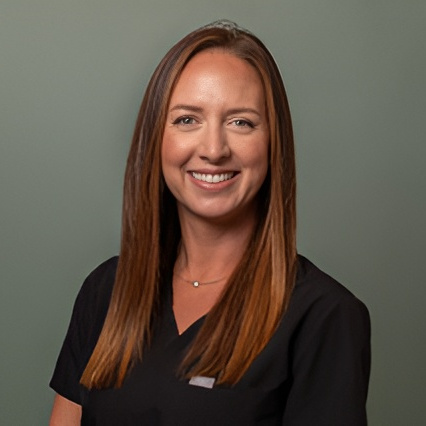
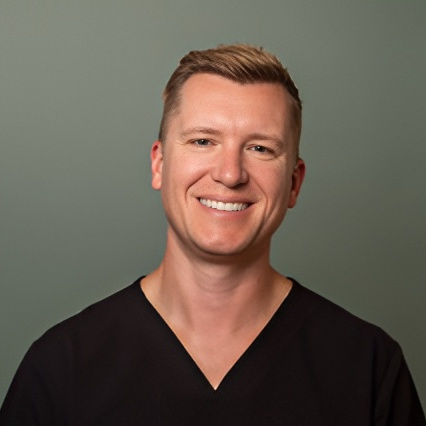
Atlas Dental Specialists offers tooth extraction services to patients throughout Downtown Pittsburgh and beyond. Drs. Nicholas and Mara Mangini take a thorough, individualized approach to every case, reviewing all possible options before recommending removal and coordinating seamlessly between extraction and any subsequent restorative care.
Tooth extraction is the complete removal of a tooth from its socket in the jawbone. Extractions fall into two main categories depending on the tooth’s condition and accessibility. Simple extractions address teeth visible above the gumline and are completed using specialized forceps and elevators, while surgical extractions are needed when a tooth is impacted, broken at the gumline, or requires tissue or bone removal to access.
Research published in the Journal of Advanced Pharmaceutical Technology and Research identifies dental extractions as among the most frequently performed treatments in dental clinics worldwide, with chronic periodontal disease, abscess, root caries, fractured teeth, and failed root canal treatments among the leading indications. Local anesthesia is used for both procedure types to keep you comfortable from start to finish.
Many patients come to us after being told by another provider that a tooth cannot be saved, while others arrive in acute pain without a clear diagnosis yet. Various conditions can make extraction the most clinically appropriate option.
The following are the most common situations we address:
We review every conservative option with you before recommending extraction, because preserving your natural teeth is always the goal when it is clinically possible.
Before any extraction, we complete a thorough evaluation using digital X-rays to assess the tooth’s anatomy, root structure, and relationship to surrounding tissues and nerves. We also review your full medical history and any current medications to ensure your treatment is planned safely and effectively.
For simple extractions, we administer local anesthetic to fully numb the treatment area. Using specialized elevators, we loosen the tooth within its socket before carefully removing it with dental forceps. The process is methodical and precise, and most patients find it far less involved than they anticipated.
When a tooth is impacted or has broken at the gumline, a small incision in the gum tissue or minimal bone removal may be needed for access. In some cases, the tooth is divided into sections to allow for gentler, more controlled removal. We walk you through the full procedure in advance so there are no surprises on the day of your appointment.
Proper clot formation in the empty socket is essential immediately after extraction. This clot acts as a protective barrier over the underlying bone and nerve while new tissue grows into the space. For at least 24 hours following your procedure, avoid vigorous rinsing, using straws, smoking, and forceful spitting, as all of these can disturb the clot and delay healing.
Some discomfort, mild swelling, and minor bleeding are normal in the first few days. Over-the-counter pain relievers manage post-procedure soreness for most patients, and applying ice packs to the outside of your face reduces swelling. Soft foods are recommended for the first few days, with a gradual return to a normal diet as you heal. Most extraction sites recover substantially within one to two weeks, though complete bone healing takes a few months.
Replacing a missing tooth is important not just for aesthetics, but for your long-term oral health. Without replacement, neighboring teeth can drift out of position, bite alignment can shift, and the jawbone can begin to resorb at the extraction site over time.
Dental implants provide the most comprehensive solution, mimicking the function and appearance of a natural tooth while stimulating the bone and preventing further loss. Veneers and other cosmetic options can be incorporated into a broader smile restoration plan following extraction and implant placement. Partial dentures remain a viable removable alternative for replacing one or more missing teeth. We develop a personalized plan for your situation and guide you through every step from removal to final restoration.
Drs. Nicholas and Mara Mangini bring extensive clinical knowledge and a genuine commitment to patient comfort to every procedure they perform. Our team uses careful, precise techniques and appropriate anesthesia to make the extraction process as smooth as possible, and we provide detailed aftercare guidance to support a straightforward recovery. From your first evaluation to your final follow-up, you can expect clear communication and attentive care throughout.
If you have been told you need a tooth removed, or you are dealing with persistent tooth pain and need answers, we encourage you to reach out. Contact Atlas Dental Specialists to schedule a consultation at our Downtown Pittsburgh office and take the first step toward protecting your oral health.
Office Hours
Office Hours